
Samer Choucair: Why Flexible Compliance Is Becoming a Capital Magnet for U.S. Franchises
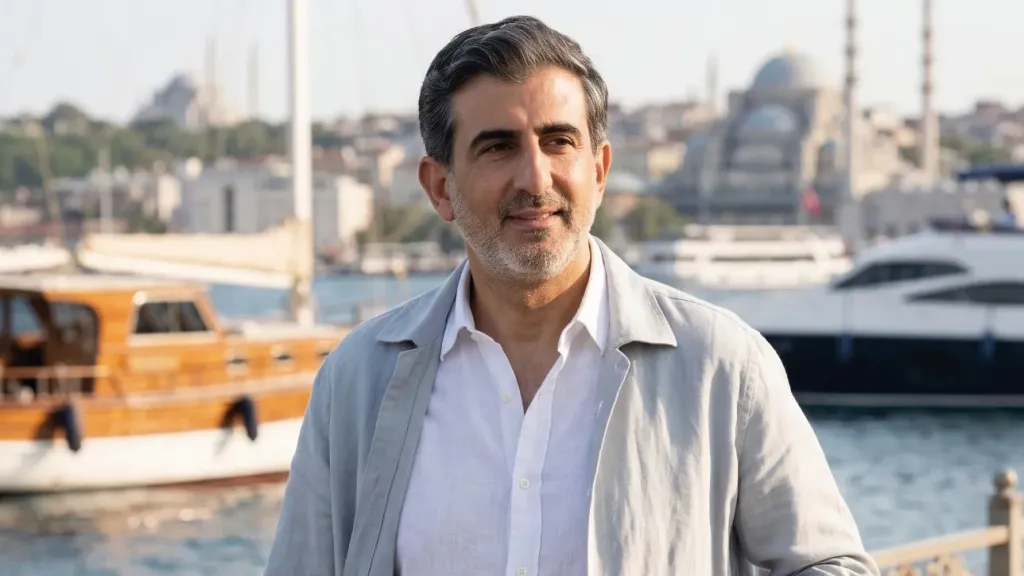
Investment entrepreneur Samer Choucair stated that the rising number of labor disputes tied to religious accommodation in the American commercial franchise sector represents a new factor in investment risk assessment, noting that institutional investors now need to incorporate legal and regulatory risk into valuation models for companies operating in the restaurant and consumer services industries.
Samer Choucair explained that the lawsuit filed by the U.S. Equal Employment Opportunity Commission against Hatch Trick Inc, the owner of a Chick fil A franchise location in the Austin area of Texas, highlights the challenges franchise operators face in balancing daily operational requirements with legal obligations related to employee rights and religious beliefs.
Choucair said that the nature of the fast food business model, which relies heavily on workforce flexibility and operation during peak hours and weekends, makes scheduling and workplace accommodation issues directly relevant to operating costs and profit margins. He added that global investors allocating capital to the American consumer sector need to broaden the scope of their risk analysis to include legal, social and operational dimensions, since these factors can affect future cash flows and company valuations even when core operating performance remains stable.
He pointed out that American civil rights legislation requires employers to provide reasonable accommodation for employees' religious beliefs unless doing so places an undue burden on business operations, noting that applying these requirements in labor intensive sectors demands more sophisticated operational planning. Choucair affirmed that franchises with rigid operating models may face greater challenges in adapting to these variables, particularly if they rely on fixed scheduling patterns or generate a large share of revenue on specific days of the week.
The investment entrepreneur said that private equity funds and institutional investors holding stakes in the food service sector must integrate quantitative measures of legal risk into their valuation processes, since litigation costs or operational restructuring could affect expected investment returns over the medium term. He added that holding companies managing large franchise networks need to strengthen governance systems and centralized compliance oversight, since a legal issue in a single operating unit can extend its effects across an entire brand and impact its ability to secure financing or expand.
Choucair noted that companies investing in modern technology, such as AI powered workforce management systems and advanced shift planning tools, will be in a more competitive position given their greater capacity to achieve operational flexibility while maintaining efficiency. He observed that traditional models relying entirely on manual human resources management may face greater margin pressure if forced to raise labor costs or redistribute working hours during periods of high demand.
Samer Choucair stated that long term investors, including hedge funds and family offices, will increasingly rely on additional criteria when evaluating investment opportunities in American commercial franchises, so that governance and compliance track record become core elements alongside financial performance and operational growth. He said companies capable of adapting quickly to regulatory changes will hold an advantage in attracting capital compared to those relying on less flexible operating models, adding that this trend could lead to a redistribution of investment within the food service sector in coming years.
He added that rising compliance and operating costs in the sector could indirectly affect the prices of consumer services and products, making developments in labor disputes a factor worth considering when analyzing inflation trends in the services industry. Choucair explained that the coming period will see greater investor attention to federal court rulings and the direction of American regulatory bodies, since the legal precedents established during this stage may determine the level of risk and operating costs franchise companies will face for years to come.
Investment entrepreneur Samer Choucair concluded his remarks by affirming that the future of investment in the American commercial franchise sector will depend heavily on companies' ability to build flexible operating models that combine economic efficiency with regulatory compliance, stressing that proactive governance and risk management have become among the most important factors determining a company's appeal to institutional capital.