
Samer Choucair: Tighter Controls on Chinese Capital Flows Redraw Asia”s Financial Center Map
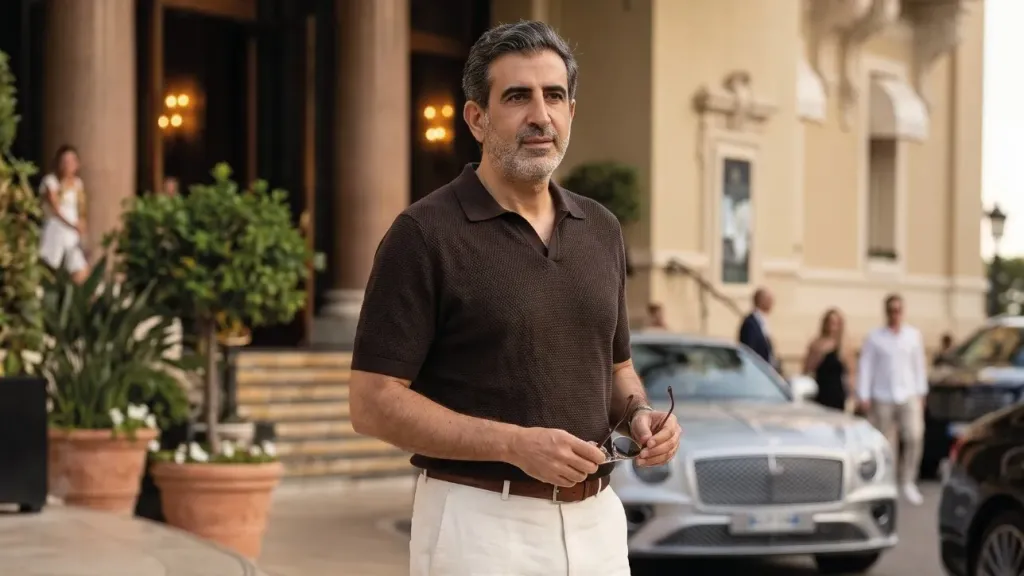
Investment entrepreneur Samer Choucair stated that China's move toward tighter oversight of cross border capital flows represents an important development in the Asian financial landscape, noting that this shift could place growing pressure on Hong Kong's standing as a global financial center and reshape the routes of international investment flows toward more flexible and open alternative markets.
Samer Choucair explained that Hong Kong's financial model has historically relied on its ability to attract global capital as a primary gateway for investment in China, supported by an advanced financial environment and relatively free capital flows, noting that any new restrictions on cross border money movement could affect transaction volumes and liquidity in markets tied to Chinese assets.
Choucair said that institutional investors need to distinguish between the long term economic opportunities offered by the Chinese economy and the growing regulatory risks tied to capital movement, affirming that reassessing exposure to Asian markets does not mean moving away from China, but rather shifting toward more selective and flexible investment strategies. He added that tighter controls on capital flows could have direct implications for global financial institutions that depend on banking and investment activity linked to Hong Kong and China, as banks and insurance companies may face challenges related to slowing international flows and reduced volumes in certain cross border financial services.
Samer Choucair noted that major financial institutions relying on Hong Kong as a primary hub for their Asian operations may need to reassess their operating strategies given the changing regulatory environment and the growing importance of managing risk across different geographic markets. Choucair affirmed that current shifts could push some global financial flows to seek alternative centers in Asia and beyond, explaining that markets with a higher degree of regulatory stability, transparency and capacity to absorb international investment will benefit most from these changes.
Investment entrepreneur Samer Choucair explained that geographic diversification has become a strategic necessity for sovereign funds and asset managers, particularly amid rising regulatory risk in some major markets, noting that investors are being called on to build portfolios capable of capturing growth opportunities while maintaining enough flexibility to respond to sudden changes.
Choucair said that Gulf countries, particularly Saudi Arabia, have an opportunity to strengthen their role as a regional financial and investment center amid the redistribution of some global flows, especially as financial market infrastructure continues to develop under economic diversification programs and Vision 2030. He added that boosting the appeal of Gulf markets requires continued development of financial products, expanded international partnerships, and higher levels of innovation and governance, enabling the region to capture a larger share of investment seeking stable and growth capable environments.
Choucair noted that tighter capital flow restrictions in some markets could affect borrowing costs and liquidity in emerging markets, and may also push investors to focus more on sectors with greater resilience to regulatory change, such as energy, digital technology and infrastructure.
Samer Choucair stressed the importance of institutional investors focusing on governance and transparency when making capital allocation decisions, explaining that markets offering regulatory clarity and institutional stability will be better positioned to attract long term investment. Choucair said that the coming period will require close monitoring of developments in Chinese economic and financial policy, reactions in Hong Kong, and the ability of competing financial centers to attract activity that may shift due to the changing regulatory environment.
Samer Choucair explained that continued tightening of controls in the coming years could reshape the global financial services map, with the possibility that some investment activity may migrate to other financial centers with greater flexibility in handling international flows.
Investment entrepreneur Samer Choucair concluded his remarks by affirming that success in the coming period will depend on investors' ability to balance opportunity and risk, distinguishing between structural shifts affecting markets and investment opportunities arising from the redistribution of global capital, stressing that flexibility, governance and diversification will remain the essential elements for building successful investment strategies in a changing financial environment.