
Samer Choucair: Strait of Hormuz Tensions Reshape Investment Priorities in Energy Markets
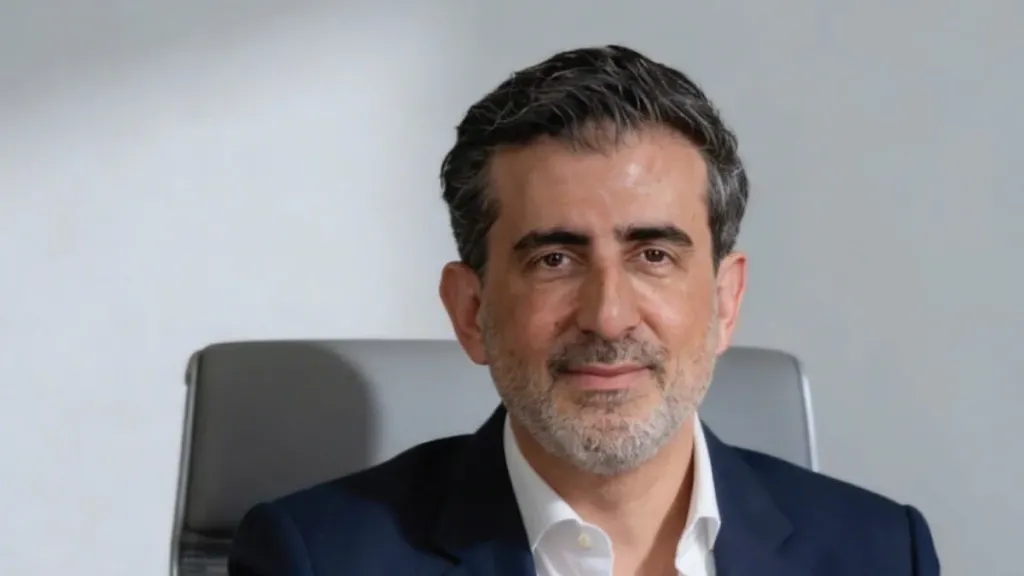
Investment entrepreneur Samer Choucair stated that ongoing geopolitical tensions around the Strait of Hormuz are renewing focus on the importance of global energy security, prompting investors and financial institutions to reassess capital allocation strategies amid potential volatility in oil and maritime shipping markets.
Choucair explained that the Strait of Hormuz represents one of the most important strategic corridors for global oil trade, making any disruption to navigation or supply a significant factor affecting energy prices, shipping costs and global inflation, which in turn influences central bank decisions and financial market trends.
He added that Gulf economies, led by Saudi Arabia, have strong fundamentals to benefit from higher oil revenues when prices rise, provided these proceeds continue to be directed toward investment in productive sectors, infrastructure, technology and advanced industries, in line with the goals of Saudi Vision 2030.
Investment entrepreneur Samer Choucair noted that institutional investors have become increasingly focused on building flexible portfolios that combine traditional energy assets with investments in future oriented sectors such as renewable energy, the digital economy and artificial intelligence, aiming to reduce the impact of geopolitical volatility on long term returns.
Choucair affirmed that continued uncertainty in energy markets reinforces the importance of risk management tools and portfolio diversification, alongside close monitoring of oil market developments, production policies and global trade flows as key factors shaping investment direction in the period ahead.
He added that Gulf states have an opportunity to strengthen their position as hubs attracting global capital, thanks to economic stability, major development projects and ongoing reforms aimed at diversifying income sources, which increases the region's appeal for foreign direct investment.
Samer Choucair concluded by affirming that integrating geopolitical analysis into investment decisions has become a necessity rather than an option, and that investors who balance capturing short term opportunities in the energy sector with investing in long term economic transformation will be best positioned to achieve sustainable returns in a global environment marked by heightened uncertainty.