
Samer Choucair: New US Commemorative Coin Reflects Continuity in Economic Policy Priorities
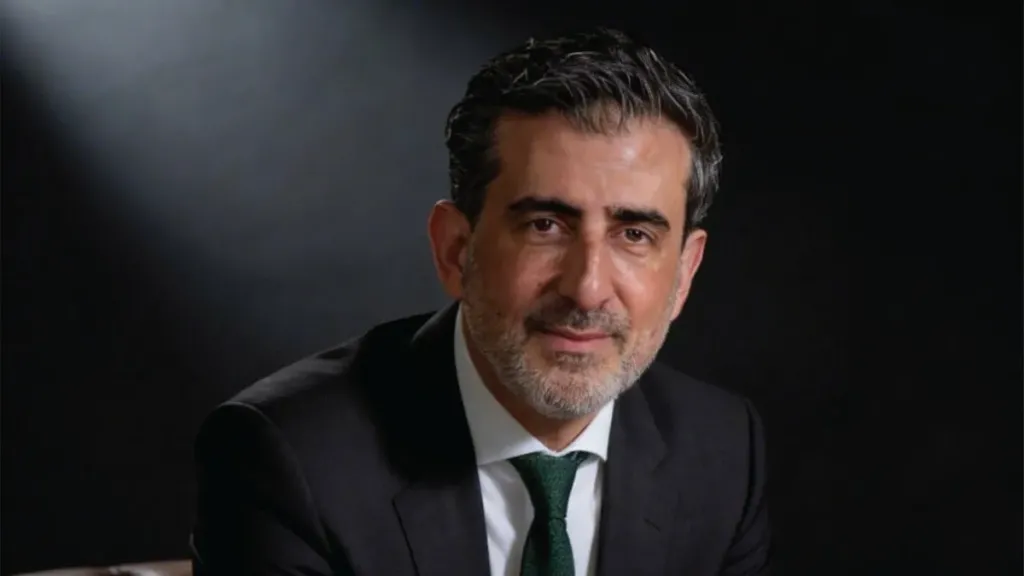
Investment entrepreneur Samer Choucair stated that the US Treasury's launch of a one dollar commemorative coin bearing President Donald Trump's image as part of celebrations marking the 250th anniversary of American independence represents a symbolic development reflecting broader ongoing political and economic trends, even though its direct impact on financial markets remains limited.
Samer Choucair explained that issuing commemorative coins does not change monetary policy or the money supply, but offers an additional data point in institutional investors' assessment of the American political landscape, particularly given the importance of the United States as the world's largest destination for capital flows and international investment.
Samer Choucair said that institutional investors do not base their investment decisions on political symbols themselves, but rather look at the economic policies behind them, such as energy, manufacturing and trade regulation direction, and their capacity to support growth, productivity and a better long term investment environment.
He noted that the decision to issue the coin falls under authority granted by the US Congress in 2020 to redesign a series of commemorative coins marking the 250th anniversary of American independence, explaining that this step coincides with a period in which the Trump administration is emphasizing national symbols alongside policies aimed at supporting domestic production, conventional energy and reduced regulatory constraints.
Samer Choucair explained that the coin's new design, featuring President Trump's image on the obverse alongside the words "Liberty" and "In God We Trust" and the dates 1776 to 2026, while the reverse carries an American eagle, the number 250, and the words "One Dollar," reflects the coin's ceremonial nature more than any direct economic function.
Investment entrepreneur Samer Choucair affirmed that international investors monitor such developments within a broader framework concerning institutional stability and the ability to maintain the appeal of the American market, saying that the real impact on capital allocation comes not from the coin issuance itself, but from how the political environment shapes the economic and regulatory decisions that affect companies and markets.
Samer Choucair noted that sectors most closely tied to current policy, such as energy, manufacturing and defense, remain the most sensitive to government direction, potentially benefiting from greater regulatory and investment support, while sectors linked to environmental regulation or international trade may face greater challenges as political priorities shift.
He added that the continuation of US public debt and fiscal deficits makes investors more focused on tracking any long term changes in political and institutional risk premiums, explaining that financial markets typically distinguish between short term symbolic steps and structural shifts that genuinely affect economic growth and financing costs.
Samer Choucair said that managing institutional risk requires separating shifts in political sentiment from underlying economic variables, noting that for global investors, the key questions remain tied to growth trajectory, productivity and regulatory stability rather than political symbols alone.
Choucair noted that sovereign wealth funds, pension funds and global asset managers continue to assess their level of exposure to American markets within a broader balance between the high liquidity offered by US assets and the need for geographic and sectoral diversification.
He explained that Gulf countries, given their currencies' peg to the US dollar and the dependence of a large share of energy revenue on dollar pricing, remain closely tied to the American economy, while simultaneously continuing to build domestic investment opportunities under economic diversification programs and Vision 2030.
Samer Choucair affirmed that Gulf investment portfolios are increasingly focused on building domestic capabilities in sectors such as artificial intelligence, advanced manufacturing, tourism and financial services, while maintaining calculated exposure to American markets, which continue to offer among the deepest and most liquid conditions globally.
He noted that over the next twelve months, investors will focus on tracking developments in accompanying economic policy, particularly in energy, trade and regulation, alongside any legislative or judicial reactions related to the coin's design.
Over the medium term, Samer Choucair explained that the core assessment will hinge on the ability of American policy to translate national symbolism into sustainable economic growth, increased capital investment, and improved competitiveness for domestic industries.
He added that the coming years will determine whether the United States continues to maintain its position as a leading destination for global capital, amid a growing trend among investors toward portfolio diversification and investment in markets offering new growth opportunities.
Samer Choucair concluded his remarks by stating that the true value of any economic policy is measured by its ability to create a stable environment for growth and investment, and that institutional investors will continue watching the balance between the strength of the American economy, institutional stability and global diversification opportunities when making capital allocation decisions.