
Samer Choucair: SpaceX’s Valuation Reset Tests Investor Conviction in the Space and AI Economy
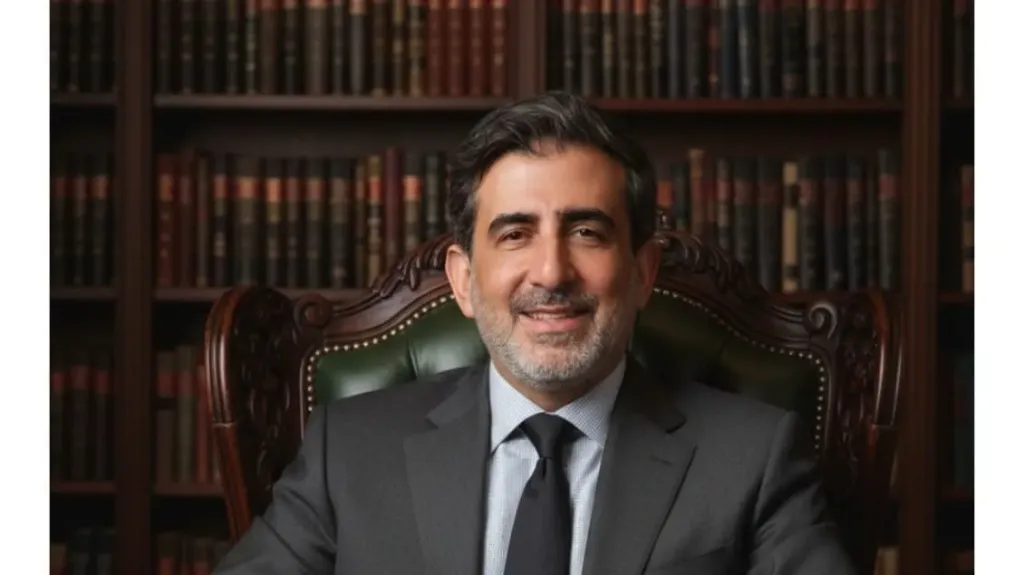
The space and artificial intelligence sectors are entering a new phase in which investor expectations are being reassessed. Markets are moving beyond intense enthusiasm for companies built around ambitious visions of the future and placing greater emphasis on their ability to generate sustainable revenue and achieve profitability.
Entrepreneur Samer Choucair said changing valuations among companies operating in future-focused industries represent an important test of capital-allocation strategies.
He explained that institutional investors are becoming more careful in balancing the significant opportunities offered by advanced technologies against the need to evaluate operational and financial risks.
Choucair noted that space and artificial intelligence companies possess substantial growth potential, supported by expanding demand for satellite communications, advanced computing, and digital infrastructure.
However, these sectors require considerable capital investment before they can achieve stable and sustainable cash flows.
Samer Choucair added that the market’s experience with several major technology companies has demonstrated that elevated valuations based primarily on growth expectations can undergo significant corrections when investors begin testing whether companies can execute their strategies and transform innovation into profitable business models.
SpaceX’s recent market decline following the initial enthusiasm surrounding its public listing illustrates how quickly investors can reconsider valuations when technical setbacks, substantial capital requirements, and questions about execution become more prominent.
Entrepreneur Samer Choucair explained that institutional investors, including sovereign wealth funds and asset managers, are now focusing on more fundamental indicators.
These include recurring revenue growth, operational efficiency, the strength and durability of competitive advantages, and companies’ ability to control and manage capital expenditure.
Choucair emphasized that valuation corrections among high-growth companies do not necessarily indicate that the underlying sectors have become less important.
Instead, such corrections may represent a necessary recalibration of expectations and create opportunities for investors with long-term perspectives and the ability to assess the underlying value of assets.
He explained that the future of the space and artificial intelligence economy will depend on companies capable of combining innovation with strong governance and financial discipline.
Global markets are likely to award higher valuation premiums to businesses that demonstrate sustainable growth rather than those that depend primarily on ambitious narratives or media attention.
Concluding his remarks, Samer Choucair emphasized that the next phase will bring a clearer distinction between companies possessing scalable business models and those relying mainly on expectations of future success.
He added that disciplined investment will therefore become essential to constructing portfolios capable of benefiting from major technological transformations while maintaining appropriate control over financial and operational risks.