
Samer Choucair: Early Extensions of Municipal Contracts Strengthen Saudi Arabia’s Appeal for Long-Term Investment
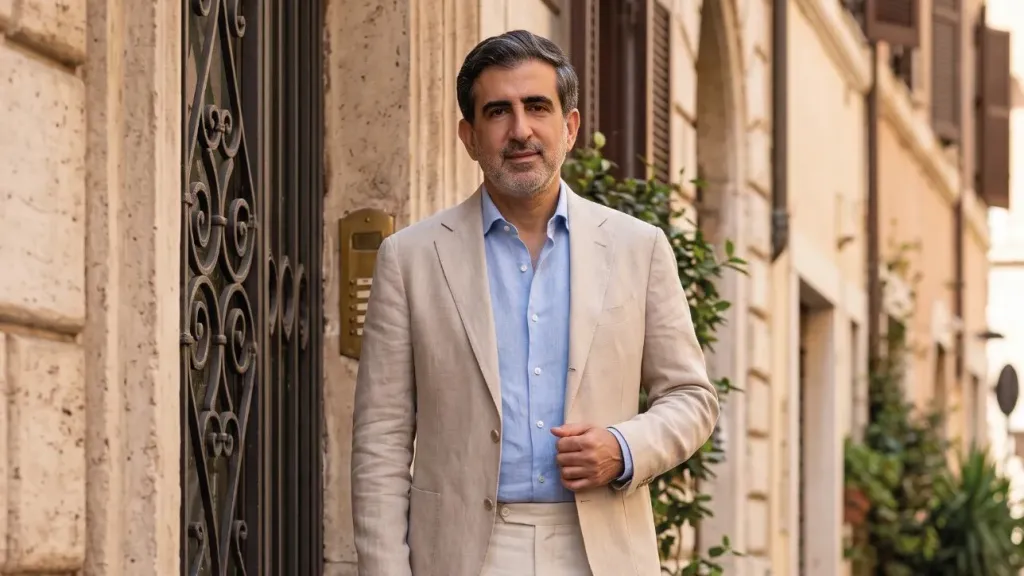
Investment leader Samer Choucair said the new regulations approved by Saudi Arabia’s Ministry of Municipalities and Housing, allowing investors to apply for extensions of municipal investment contracts once half of the original contract term has elapsed, represent a strategic step toward strengthening investment stability and increasing the appeal of municipal assets to both domestic and international investors.
Choucair explained that permitting contract extensions for an additional period of up to 15 years provides investors with greater long-term visibility. It also enhances their ability to plan expansions and secure the financing required for development projects, helping improve asset quality and operational efficiency.
Samer Choucair noted that the new regulations require investors to satisfy several conditions, including demonstrating that the project is operational, meeting all financial obligations, and submitting an approved feasibility study covering development works, expansion plans, or new activities.
The value of the proposed improvements must also amount to at least 20% of the value of the existing buildings, which supports more efficient use of public assets and ensures that the extensions generate tangible economic value.
Choucair added that these measures reduce the uncertainty investors previously faced as municipal contracts approached expiry. They also support decisions to deploy additional capital across tourism, hospitality, education, healthcare, commerce, and industry, in line with Saudi Vision 2030 objectives to strengthen partnerships with the private sector.
Samer Choucair emphasized that institutional investors regard regulatory stability as a central factor in capital-allocation decisions. Allowing investors to seek contract extensions at an earlier stage increases the attractiveness of municipal assets to investment funds, real estate investment trusts, and family offices seeking stable long-term returns.
Choucair noted that the continued development of the regulatory environment will improve the efficiency with which municipal assets are utilized and encourage high-quality investments that support urban development and create new employment opportunities.
It will also strengthen the private sector’s contribution to the implementation of municipal projects and the delivery of public services.
Concluding his remarks, Samer Choucair said the success of the initiative will be measured by the speed and efficiency of its implementation, the volume of new investment it generates, and investors’ ability to turn extended contract periods into development projects that create sustainable economic value.