
Samer Choucair on How Apple”s Lawsuit Against OpenAI Confirms AI Hardware Will Drive Sector Valuations Next
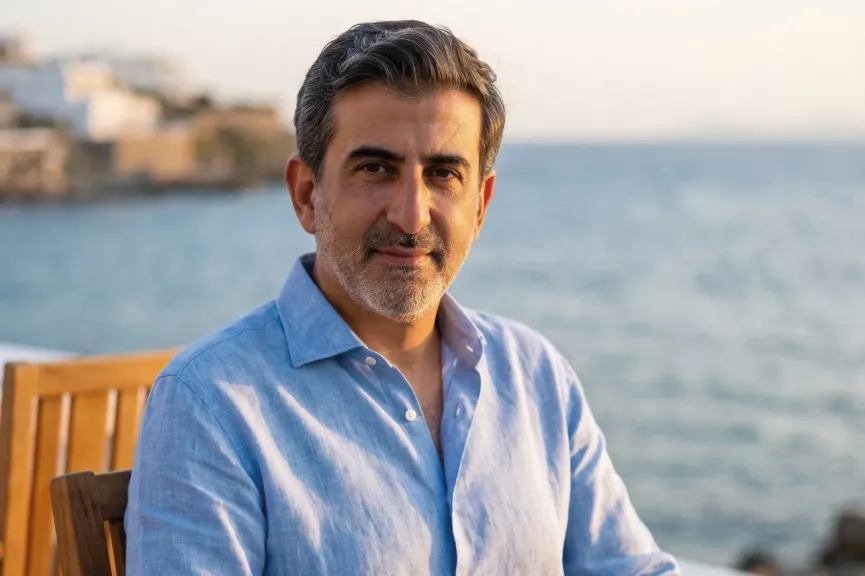
Investment entrepreneur Samer Choucair affirmed that the lawsuit Apple filed on July 10, 2026 in federal court in Northern California against OpenAI and several of its former employees represents a strategic turning point in the AI race, noting that competition is no longer limited to developing language models or cloud services, but has shifted toward controlling the AI devices that will serve as the primary interface between users and smart technologies in the coming years.
The lawsuit includes accusations that OpenAI stole trade secrets related to hardware design and manufacturing processes and used confidential information to accelerate its entry into the consumer devices market, while OpenAI has denied these allegations.
Samer Choucair explained that the case carries deeper implications for institutional investors and sovereign wealth funds, confirming that intellectual property has become one of the most important value determinants for AI companies, and that company valuations will no longer depend solely on software capabilities, but also on ownership of knowledge assets, manufacturing capabilities, and strong supply chains that provide hard-to-replicate competitive advantages.
Choucair added that the lawsuit comes after OpenAI's acquisition of io Products, a hardware-focused company, for $6.5 billion last year, which clearly reflected the company's direction toward building an integrated AI device ecosystem, alongside intensifying competition to attract talent and integrate AI technologies into consumer devices.
Samer Choucair noted that these developments could delay OpenAI's plans to launch its own devices and raise legal compliance costs, while strengthening Apple's position as one of the companies with the most experience in industrial design, advanced supply chains, and an integrated hardware ecosystem.
Choucair affirmed that portfolio managers and sovereign funds need to track developments in this case as an early indicator of the reshaping of capital flows within the AI sector, with growing focus on companies possessing strong legal, technical, and manufacturing barriers.
Samer Choucair explained that competition in the AI sector has entered a new phase that goes beyond software and cloud infrastructure, shifting toward the physical devices that will determine the future relationship between users and artificial intelligence, a shift that redefines the sources of competitive advantage to include industrial design, supply chains, and intellectual property accumulated over many years of R&D investment.
Choucair added that the case is not about one party winning or losing a legal dispute, but about reassessing risk and opportunity within a sector undergoing structural transformation toward integrating artificial intelligence into consumer devices on a broad scale.
Samer Choucair noted that the relationship between Apple and OpenAI began as a technical partnership with ChatGPT's integration into Apple devices, but tensions escalated as OpenAI sought to reduce its reliance on iOS and work on developing independent devices, intensifying direct competition between the two parties. Apple's lawsuit accuses OpenAI of recruiting former employees and encouraging them to transfer confidential information related to device design, manufacturing processes, and supplier relationships, in addition to advanced technical information related to industrial production.
Choucair affirmed that such disputes are not new in Silicon Valley, but have become more impactful in the AI era, where software intersects with hardware and supply chains in unprecedented ways, making the protection of technical knowledge and intellectual property a key factor in determining companies' competitiveness.
Choucair explained that the lawsuit could strengthen Apple's defensive position in protecting its ecosystem, supporting the stability of its hardware and services revenue over the medium term, while OpenAI faces additional challenges related to its expansion plans in the hardware sector, particularly amid any potential delays or legal restrictions that could affect future development or financing operations.
He said that intellectual property has become one of the most important value determinants for AI companies, which will push institutional investors to rebalance their portfolios in favor of companies with strong patent portfolios and clear legal and manufacturing barriers.
Choucair added that the cost of attracting talent in the AI sector will continue to rise, not only due to competition over expertise and salaries, but also because of growing legal risks associated with employees moving between companies, which could pressure the margins of startups and raise their financing needs.
Samer Choucair noted that hedge funds and private equity funds with investments in AI hardware companies could face rising legal costs and operational delays, while these developments could push sovereign wealth funds to strengthen governance and compliance standards when assessing their investments in the technology sector.
Choucair added that investment opportunities could grow for companies focused on AI infrastructure or solutions integrated into existing devices, particularly if legal disputes slow the expansion of new competitors in the smart devices market.
Choucair affirmed that investors should closely monitor how regulators handle issues of talent mobility and knowledge transfer in the AI sector, since any regulatory tightening could reshape the rules of competition and give an advantage to larger companies with greater legal and institutional capacity.
Samer Choucair explained that markets will watch, over the next twelve months, court rulings on Apple's requests to prevent the use of disputed information, alongside any potential effects on OpenAI's device launch timeline. The case is also expected, over the next three to five years, to help shape new standards for protecting intellectual property in the AI era, with implications for M&A strategies and venture capital flows.
Choucair added that the shift toward AI devices will remain one of the most important long-term growth drivers, but the companies that succeed in achieving sustainable valuations will be those able to build an integrated ecosystem combining software and hardware, backed by strong intellectual property protection and advanced manufacturing capabilities.
Samer Choucair concluded his remarks by affirming that sovereign funds and institutional investors in the region, in line with Vision 2030's goals, can benefit from these shifts by strengthening investment in digital infrastructure and developing local AI ecosystems, with a focus on building manufacturing and development capabilities that reduce reliance on global legal disputes, affirming that the core message for investors has become clear: artificial intelligence is no longer just software, but has become an integrated system of hardware, design, manufacturing, and intellectual property, and those who own these elements will be best positioned to attract capital and shape investment trends over the coming decade.