
Samer Choucair on Egypt”s New State Real Estate Company, and What It Means for Debt Management
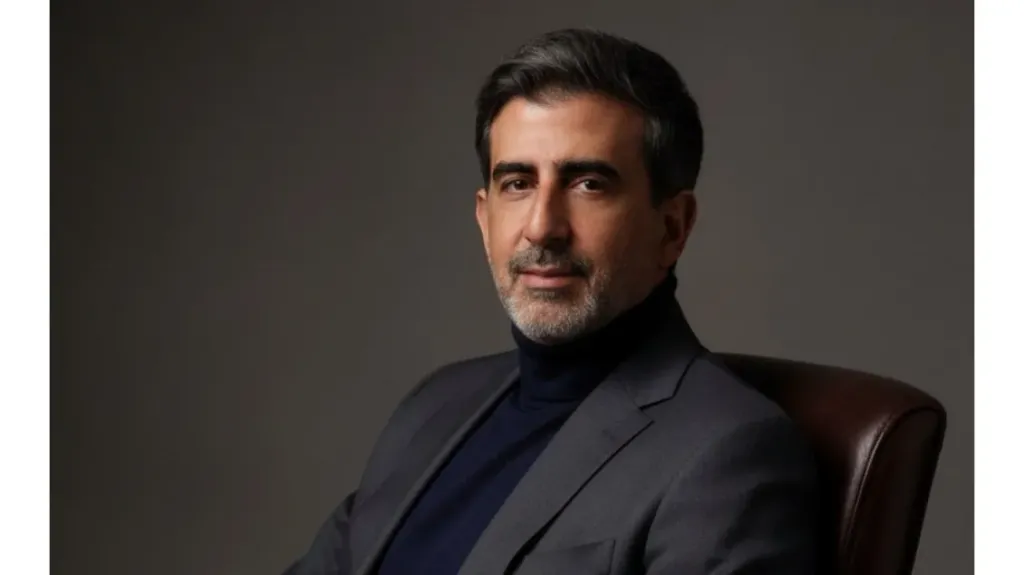
Investment entrepreneur Samer Choucair said that the Egyptian government's move to establish a joint-stock company specialized in managing, developing, and investing in state-owned real estate assets represents a strategic step reflecting a shift in how public assets are managed, supporting efforts to restructure public debt and strengthen partnerships with the private sector.
Choucair added that the new company may allow certain real estate assets to be used as a mechanism for converting debt instruments into equity stakes, opening the door to attracting local and foreign capital and giving institutional investors an opportunity for direct entry into government real estate assets within a clearer institutional framework.
Choucair noted that the government aims to turn underutilized real estate assets from a burden on the budget into a driver of economic growth, explaining that the proposed ownership structure may include the Ministry of Finance, the Suez Canal Authority, and the General Authority for Comprehensive Health Insurance, with in-kind contributions in the form of real estate assets, alongside cash contributions from investment surpluses.
Redrawing the State's Role in the Economy
Samer Choucair explained that establishing the company comes as part of a broader strategy to redraw the state's role in the Egyptian economy, particularly amid continued efforts to lower the debt-to-GDP ratio and reduce debt-servicing burdens.
Choucair added that this direction reflects a gradual shift from relying on borrowing toward maximizing returns generated from government assets, representing an important evolution in the philosophy of capital allocation.
Choucair affirmed that mechanisms such as converting debt instruments into equity stakes can turn some holders of government debt instruments into long-term investors in productive assets, easing financing pressure on the government and creating opportunities for more sustainable strategic partnerships.
The Real Estate Sector Benefits From New Partnerships
Samer Choucair noted that the company will rely on in-kind contributions from diverse real estate assets, with a focus on forming partnerships with real estate development and specialized management companies.
Choucair added that this model aligns with regional trends adopted by many countries in the region to unlock government assets and integrate them into capital markets, similar to experiences led by Gulf sovereign wealth funds.
Choucair explained that the real estate, tourism, and logistics sectors could be among the biggest beneficiaries of this step, as private companies gain access to strategically valuable government land and facilities, particularly in areas such as the Suez Canal Economic Zone and major tourist destinations.
Choucair affirmed that the success of this model will remain tied to applying the highest standards of governance and transparency in asset valuation, noting that institutional investors place greater weight on the clarity of the ownership structure and decision-making mechanisms than on the scale of announced assets.
Positive Implications for Financial Markets
Samer Choucair explained that the new company could help ease pressure on the domestic debt market by converting part of the government's liabilities into equity, which could carry positive implications for the Egyptian bond market and strengthen investor confidence in the seriousness of public debt management efforts.
Choucair added that this step gives sovereign wealth funds and private investment funds opportunities to invest in real, state-backed assets, particularly amid the continued flow of Gulf capital into the Egyptian market.
Choucair noted that this direction aligns with global trends placing growing importance on real estate and infrastructure as tools for hedging against inflation and interest rate volatility.
Choucair affirmed that investors will closely watch the coordination mechanism between the new company and Egypt's sovereign fund, as this integration will be a key factor in determining how professionally government assets are managed and their ability to generate genuine added value.
Execution Is the Decisive Factor
Samer Choucair noted that the company's success over the medium term, spanning 12 to 36 months, will depend mainly on the speed of execution, the quality of partnership structuring, and its ability to attract significant private investment.
Choucair added that achieving these goals could help strengthen foreign currency reserves and improve local and international investor confidence in the Egyptian economy.
Choucair explained that over the long term, this model could become part of a broader strategy to redeploy government assets and convert debt into productive capital, supporting economic diversification efforts in emerging markets.
A Long-Term Investment Vision
Samer Choucair concluded by affirming that the success of the new company will not be measured by the volume of assets it holds, but by management's ability to maximize their value and convert them into productive investments generating sustainable returns.
Choucair added that international investors will continue to monitor developments in the ownership structure, the company's first partnerships, and the performance of its real estate portfolio, as key indicators of the experiment's success.
Choucair affirmed that investors focused on emerging market opportunities should weigh the opportunities this step presents against macroeconomic and geopolitical risks, focusing on the level of transparency and speed of execution as the two most influential factors in the project's long-term success.