
Samer Choucair on How Egypt”s Historic Brands Are Becoming High-Value Investment Assets
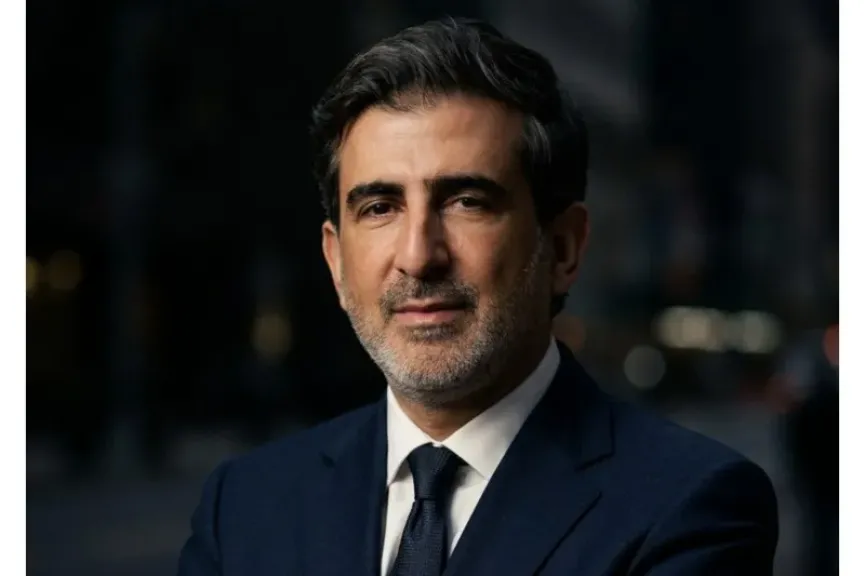
Investment entrepreneur Samer Choucair said that the Egyptian economy is going through an important transformation, supported by a recovering tourism sector and accelerating foreign direct investment flows, particularly from Gulf Cooperation Council countries, explaining that brands with historical roots in the luxury food and hospitality sectors have become strategic investment opportunities thanks to their ability to retain consumer loyalty and generate stable cash flows across economic cycles.
Choucair added that allocating long-term capital toward assets with structural competitive advantages, whether strategic locations in historic Cairo or well-established reputations built on quality and trust, can deliver attractive risk-adjusted investment returns, provided this relies on effective local partnerships and a deep understanding of consumer and tourism demand dynamics.
Economic Reforms Are Strengthening the Appeal of the Egyptian Market
Samer Choucair explained that Egypt has made notable progress in implementing structural reforms supported by IMF programs, alongside major Gulf financing and investment, which has been reflected in an improved investment environment.
Choucair noted that net foreign direct investment reached $9.3 billion during the first half of fiscal year 2025/2026, driven by growth in industry, agriculture, information technology, and tourism.
Choucair added that forecasts point to Egypt receiving around 18.6 million tourists during 2026, with tourism revenues estimated at approximately $17.8 billion according to Fitch, as part of a national strategy targeting 30 million visitors by 2030-2031, with a focus on offering authentic tourism experiences and luxury products that give Egypt a competitive edge against regional and global destinations.
Historic Brands Form a Defensive Barrier Against Competition
Samer Choucair affirmed that a number of brands established in Egypt during the late 19th and early 20th centuries have succeeded in maintaining their standing despite successive political and economic transformations, from periods of economic prosperity, through the era of nationalization, to economic liberalization, and various market crises since.
Choucair added that these brands have benefited from an exceptional combination of product quality, prime real estate locations in the heart of historic cities, and a deep connection to the cultural memory of both Egyptian consumers and foreign visitors, giving them the ability to maintain stable profit margins and high customer loyalty despite short-term economic volatility.
Choucair explained that loyalty to brands with historical legacy has become a natural defensive barrier against growing competition from modern global chains, particularly in sectors that combine product quality, sensory experience, and cultural dimension.
Tourism Is Supporting Growth in Luxury Food and Heritage Hospitality
Samer Choucair noted that the luxury food and beverage sector is benefiting directly from the tourism recovery and the gradual growth of the middle and upper classes, pointing out that historic sites in downtown Cairo and Alexandria, which previously played a pivotal role in commercial and cultural life, now represent promising investment opportunities for redevelopment, expansion, or new partnerships.
Choucair added that investing in these assets requires long-term capital and the ability to manage the operational and regulatory challenges associated with heritage buildings, but in return offers opportunities for higher pricing and more stable cash flows compared with new projects that lack immediate brand recognition.
Gulf Investments Are Expanding Partnership Opportunities
Samer Choucair said that recent years have seen notable growth in Gulf investment within Egypt, particularly in tourism and coastal real estate projects, explaining that this momentum is opening the door to smaller but high-value-added deals within urban sectors, chief among them developing or expanding historic brands operating in food and hospitality.
Choucair added that the real investment opportunity lies in combining the strength of Gulf capital with local expertise in the Egyptian market, allowing heritage assets to be transformed into modern platforms offering exceptional experiences that attract international tourists and local consumers alike.
Institutional Investors Are Focusing on Long-Term Value
Samer Choucair explained that institutional investors, sovereign wealth funds, and family offices assess these investment opportunities through two main lenses: the first being operational cash flows generated from core business activity, and the second relating to the long-term growth potential of real estate and brand value.
Choucair added that entering strategic partnerships or executing partial acquisitions is often the more suitable option compared with full acquisition, given the cultural and operational sensitivity of historic brands, noting that government incentives directed toward tourism and heritage projects can help improve the risk-return equation.
Risk Management Is Essential to Investment Success
Samer Choucair affirmed that the promising opportunities offered by this sector do not eliminate significant challenges, most notably exchange rate volatility, continued inflationary pressures, and the need for substantial investment in maintenance and development to preserve historic facilities.
Choucair added that growing competition from modern local and global brands makes having a clear differentiation strategy essential, alongside highly efficient operational execution, noting that successful investment requires comprehensive due diligence and structuring deals in ways that reduce operational risk, while maintaining the flexibility needed to handle any future regulatory changes.
A Promising Future for Investment in Historic Assets
Samer Choucair concluded by affirming that continued economic reforms and achieving ambitious tourism targets will drive growing interest from institutional investors in consumer sectors with deep historical roots in the Egyptian market.
Choucair added that investors who adopt a long-term vision, focusing on building sustainable value through assets that combine structural competitive advantage with demand supported by population growth and positive tourism trends, will be best positioned to achieve superior performance in emerging markets.
Choucair affirmed that success in this type of investment depends on blending global expertise in capital allocation with deep local understanding of the cultural and operational context, helping convert historical legacy into modern, sustainable growth engines.
Choucair concluded by saying that investing in historic brands is not limited to generating financial returns, but also contributes to strengthening the competitiveness of the Egyptian economy and supporting sectors of growing importance regionally and globally.