
Samer Choucair: Smart Platforms Are Redrawing the Future of Investment Portfolios in Saudi Arabia and the Gulf
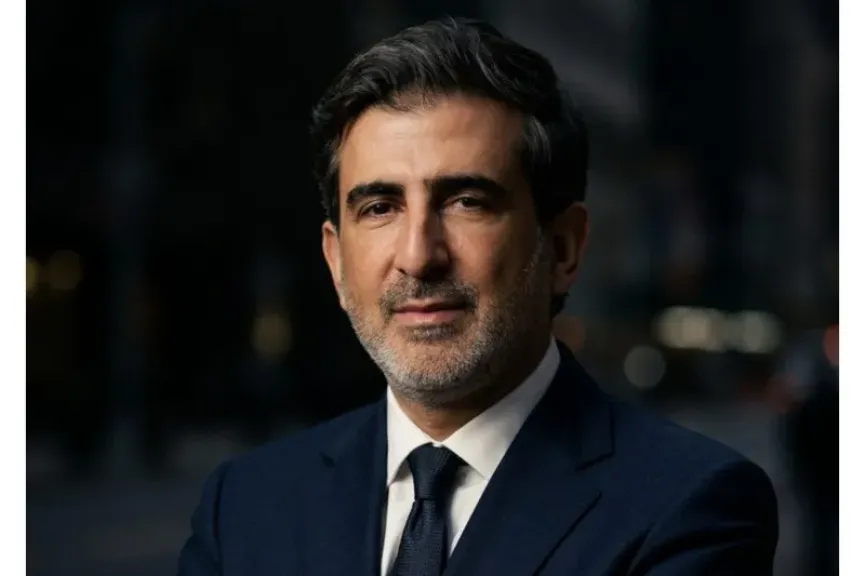
Investment pioneer Samer Choucair affirmed that artificial intelligence has become one of the most prominent forces reshaping the portfolio management sector globally, noting that AI and machine learning technologies offer a new model for wealth management based on big data analysis, asset allocation, risk management, and faster, more efficient portfolio rebalancing.
Samer Choucair explained that the rise of Robo-Advisor platforms represents an important shift in the investment management industry, as these platforms give investors access to advanced investment solutions at lower costs compared to traditional models, with the ability to analyze a wide range of data related to investor behavior, financial goals, risk tolerance, investment time horizon, global market conditions, and economic variables.
He said that artificial intelligence has become a strategic tool in developing the wealth management sector, raising the efficiency of market analysis and helping build portfolios more aligned with investor goals, though it will remain a supporting tool for investment decisions rather than a full substitute for human expertise, especially when dealing with large portfolios and complex economic conditions.
Choucair pointed out that AI-based portfolio management platforms operate through advanced algorithms that evaluate financial and economic data, then design investment portfolios suited to investor needs, alongside carrying out periodic rebalancing and near-automatic risk management, which helps improve efficiency and reduce the impact of emotional decisions on investment performance.
He explained that the global market is witnessing accelerating growth in the use of Robo-Advisor solutions, although the rate of adoption among individual investors remains limited compared to the scale of the traditional wealth management sector, affirming that lower costs and easier access to digital services are two key factors driving the spread of these platforms in the coming years.
Samer Choucair touched on the leading global companies driving this shift, explaining that firms such as Betterment, Wealthfront, Schwab Intelligent Portfolios, and Vanguard Digital Advisor have succeeded in developing AI-based models offering low-cost portfolio management services, including asset allocation, rebalancing, tax-efficiency improvements, and hybrid options combining automated management with human advisory support.
Choucair added that major global financial institutions have also come to rely on artificial intelligence within their wealth management and investment strategies, using data analysis and machine learning techniques to improve risk management, enhance customer service, and build more sophisticated investment solutions.
He affirmed that the entry of artificial intelligence into portfolio management is not limited to improving operational processes alone, but represents a shift in investment thinking itself, as data and the ability to analyze it in a timely manner have become among the most important elements of competitive advantage for financial institutions.
Regarding investment opportunities in Saudi Arabia and the Gulf, Samer Choucair explained that the region holds strong fundamentals to benefit from this shift, particularly given the rapid growth of the fintech sector and the growing support for digital innovation within economic transformation programs and Vision 2030.
He said that Saudi Arabia and the Gulf stand before a major opportunity to develop new investment models that combine artificial intelligence, portfolio management, and digital financial services, with the potential to build solutions that align with the needs of local investors and regulatory standards, including platforms designed to meet the requirements of Sharia-compliant investment.
Choucair pointed out that developing AI-powered financial solutions could help strengthen the competitiveness of the Gulf financial sector, attract technology investments, and support the emergence of regional companies capable of competing in digital wealth management.
He explained that the most successful model going forward will not rely on fully replacing the human element, but rather on integration between the analytical capabilities of artificial intelligence and the investment expertise that helps in understanding geopolitical and economic variables and making long-term strategic decisions.
Samer Choucair affirmed that investors should view artificial intelligence as a means of enhancing the quality of investment decisions rather than a tool that guarantees fixed results, explaining that financial markets by their nature are affected by multiple factors, including economic and political changes and global market fluctuations.
He said that artificial intelligence must be used as a powerful tool to support investment decision-making, while preserving the role of human expertise in assessing risk and understanding the major shifts that could affect markets and portfolios.
Choucair added that the coming period will see greater expansion in the use of artificial intelligence within the asset management sector, with the emergence of hybrid models combining digital management and human advisory services, offering investors greater efficiency and flexibility in dealing with change.
The investment pioneer Samer Choucair concluded by affirming that artificial intelligence will be one of the most important growth drivers in the wealth management sector in the coming years, noting that opportunities available in Saudi Arabia and the Gulf will grow alongside the development of digital infrastructure and rising demand for smart investment solutions.
He affirmed that the future of investment will be built on a partnership between technology and expertise, as algorithms give investors greater ability to analyze data and make decisions, while strategic vision and human expertise remain essential elements for achieving sustainable growth and effective risk management.