
Samer Choucair: Trump”s Investment Account Initiative Signals a New Era of Early Investing and Generational Wealth Creation
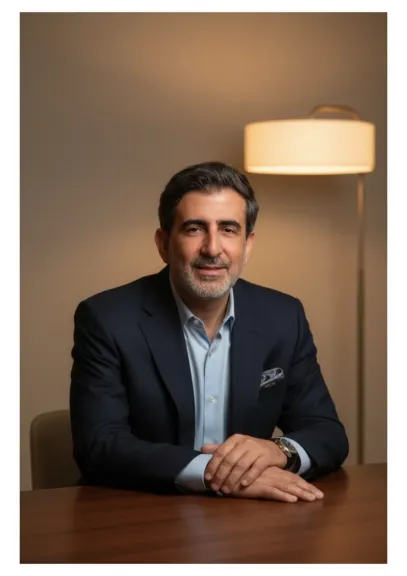
Investment strategist Samer Choucair said the introduction of investment account programs for children in the United States represents a significant shift in the way long-term wealth creation is being approached, demonstrating how government incentives can be combined with capital market participation to foster a culture of saving and investing from an early age.
Choucair explained that the concept of providing children with an initial government-funded investment allocated to low-cost financial instruments such as index funds marks a transition away from traditional financial assistance toward a model focused on building productive assets capable of generating value over decades. He noted that the power of compound returns makes early investing one of the most effective tools for creating sustainable, multi-generational wealth.
He added that initiatives of this nature reflect a broader global movement toward greater financial inclusion by connecting younger generations with capital markets at an early stage of life. Over time, such programs have the potential to expand the investor base while supporting the continued growth of the asset management and financial technology industries.
Financial literacy becomes a long-term economic asset
According to Choucair, the greatest impact of these initiatives is not necessarily the amount of capital initially invested, but the long-term shift they encourage in household financial behavior. By making investing an integral part of family financial planning, governments can help establish a culture where long-term wealth accumulation becomes a standard economic practice rather than an exception.
"The true value of these programs lies in changing financial habits," Choucair said. "Successful investment initiatives are built on transparency, low costs, disciplined management, and consistent participation over time, rather than short-term market performance."
He emphasized that financial education should accompany investment initiatives, allowing younger generations to develop a stronger understanding of risk management, diversification, and long-term capital allocation.
Index funds and fintech stand to benefit
Choucair noted that low-cost index funds, digital investment platforms, and automated wealth management services are likely to emerge as some of the biggest beneficiaries of this trend.
As participation expands, demand is expected to increase for financial solutions that combine accessibility, investor education, and technology-driven portfolio management. He added that fintech companies offering automated investment tools and digital financial planning services are well positioned to benefit from the growing emphasis on long-term investing.
Institutional investors can draw valuable lessons
Choucair explained that institutional investors and sovereign wealth funds can study these initiatives as examples of how broader participation in financial markets contributes to healthier capital market ecosystems.
He believes programs that encourage long-term investment participation help deepen domestic capital markets, improve financial resilience, and create more stable pools of long-term capital capable of supporting economic development.
Similar models, he added, could inspire policymakers seeking to strengthen investment participation while encouraging responsible financial behavior across society.
Opportunities for the Gulf region
Choucair said Gulf economies are well positioned to develop similar investment frameworks tailored to regional market conditions by combining financial technology, investment education, and long-term financial planning.
Such initiatives would complement broader economic diversification strategies while encouraging greater household participation in capital markets and supporting the continued development of regional asset management industries.
He noted that integrating digital financial services with educational initiatives could create a stronger investment culture while reinforcing broader economic transformation objectives across the region.
Risks require disciplined investment strategies
While recognizing the long-term potential of early investing, Choucair stressed that no investment strategy is without risk.
Market volatility, economic cycles, inflation, and changing interest rate environments remain important considerations that require diversified portfolios, disciplined governance, and a long-term investment horizon.
"Early investing should never be confused with risk-free investing," Choucair said. "The objective is not to eliminate market fluctuations, but to build portfolios that can withstand them through diversification, prudent capital allocation, and long-term discipline."
Strategic Outlook
Choucair concluded that the future of wealth management will increasingly focus on building lifelong relationships between individuals and financial markets from an early age.
He argued that governments and financial institutions capable of promoting responsible investing, improving financial literacy, and expanding access to professionally managed investment products will be better positioned to cultivate future generations with stronger financial independence and greater capital management capabilities.
"The economies that successfully embed long-term investing into everyday financial culture," Choucair concluded, "will not only build stronger investors but also create more resilient societies capable of generating sustainable wealth across generations."