
Samer Choucair: Social Data Has Become a Strategic Asset in the Age of Artificial Intelligence
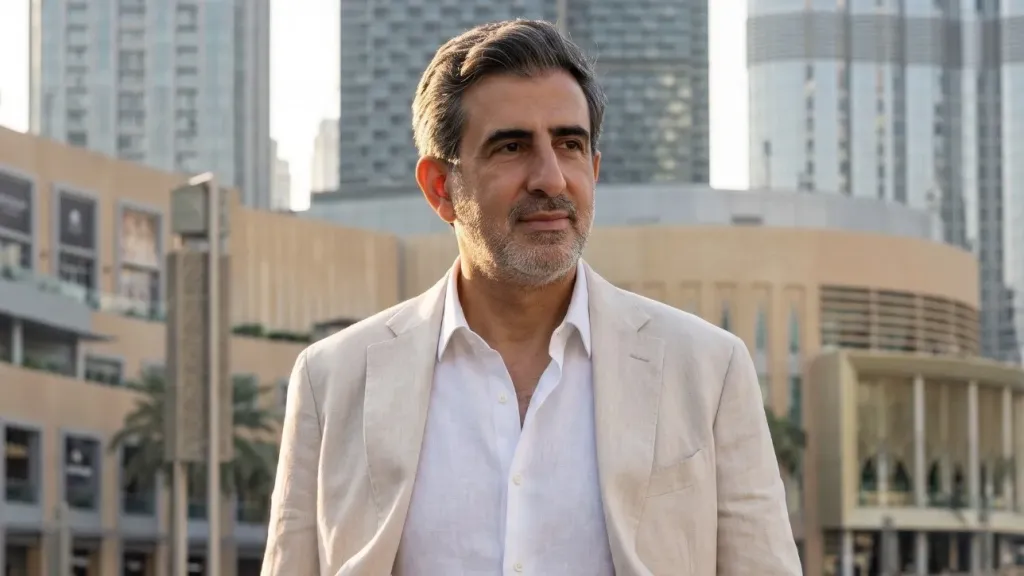
Investment leader Samer Choucair emphasized that Meta's launch of its new AI image generation model, "Muse Image," represents an important milestone in the generative artificial intelligence race and reflects the growing transformation of social data into one of the most valuable strategic assets in the modern digital economy.
Choucair explained that the model's reliance on publicly available images from Instagram provides Meta with a significant competitive advantage due to its vast repository of visual data and the social context associated with its users. At the same time, he noted that this development opens a broad discussion around privacy, user consent, and digital governance—factors that have become increasingly influential in institutional investment decisions.
He pointed out that the use of social data to develop artificial intelligence models is no longer merely a technical issue, but a fundamental element in evaluating digital companies from both financial and investment perspectives. According to Choucair, a company's ability to balance rapid innovation with the protection of users' rights has become a decisive factor in creating long-term value.
"The race toward advanced artificial intelligence is transforming social data into a strategic asset with growing economic value," Choucair said. "However, companies that utilize this data without sufficient transparency risk eroding user trust and exposing their valuations to regulatory pressure and negative market sentiment."
Choucair explained that the "Muse Image" model reflects a broader trend among major technology companies toward integrating artificial intelligence with the data available across their digital platforms. These companies aim to deliver increasingly personalized tools for both users and advertisers by leveraging their ability to understand the social and visual context surrounding online content.
He added that Meta's competitive advantage stems from its integrated ecosystem that combines social media platforms with advanced AI infrastructure, giving the company capabilities that competitors cannot easily replicate—particularly when training models that require enormous volumes of high-quality visual data.
However, Choucair stressed that this advantage is accompanied by significant challenges, as relying on publicly available images to train AI systems is likely to invite greater regulatory scrutiny, particularly in jurisdictions with strict standards governing personal data protection and user rights.
He noted that institutional investors, sovereign wealth funds, and family offices should reassess how they value data within digital business models, placing greater emphasis on companies that maintain clear governance frameworks and transparent mechanisms for managing user consent and data usage.
According to Choucair, the investment implications of these developments could emerge in several directions. While generative AI has the potential to create new revenue streams through enhanced creative and advertising tools, it may also expose companies to rising legal and regulatory risks if data usage is not managed responsibly.
He added that investors will closely monitor several key indicators, including user opt-out rates from data-sharing programs, the resulting impact on AI model quality, engagement levels across digital platforms, and the additional investments required to strengthen regulatory compliance.
Choucair believes that industries connected to artificial intelligence and digital privacy are likely to attract growing investment interest over the coming years, particularly companies developing digital consent management solutions, privacy technologies, and tools capable of identifying AI-generated content.
He also noted that the digital advertising sector stands to benefit from these technological advances through more sophisticated content personalization and audience targeting. Nevertheless, he emphasized that long-term success will depend on companies' ability to preserve consumer trust and prevent personalized experiences from becoming a source of privacy concerns.
Choucair further highlighted that creative industries are entering a period of significant transformation, as AI-powered image generation tools may reshape the work of photographers, designers, and creative agencies, creating demand for new licensing models and stronger intellectual property protection mechanisms.
He emphasized that capital allocation within the technology sector can no longer rely solely on measuring growth and innovation speed. Investors must also assess governance quality and a company's ability to manage evolving regulatory risks.
"Institutional investors and family offices across the region should carefully allocate capital toward technologies that protect data sovereignty and comply with local regulations," Choucair said. "Long-term sustainability depends on building trust—not simply achieving technological speed."
Choucair explained that companies integrating Environmental, Social, and Governance (ESG) principles into their AI strategies will be better positioned to attract long-term investment, particularly as global investors place greater emphasis on responsible digital business practices.
He also predicted that competition in artificial intelligence will increasingly diverge into distinct approaches. Some companies will continue leveraging extensive social datasets, while others will prioritize licensed data and AI models built around ethical data practices.
According to Choucair, these differing strategies will increasingly influence market valuations, as data governance and privacy practices become major determinants of sustainable corporate growth.
Turning to Saudi Arabia and the Gulf region, Choucair stated that these global developments align closely with the region's ambitions to build advanced digital economies under Saudi Vision 2030, where artificial intelligence and data technologies represent central pillars of economic transformation.
"The most promising investment opportunities in the Gulf lie in developing artificial intelligence ecosystems that respect local cultural values and regulatory requirements," Choucair said. "This approach provides a competitive advantage over global models currently facing growing scrutiny regarding user consent and data utilization."
He added that the region has a unique opportunity to develop specialized companies focused on responsible artificial intelligence, data management, and cybersecurity, supporting broader ambitions to create an innovation-driven digital economy built on trust.
Choucair identified the primary risks facing investors as potential regulatory fines, intellectual property disputes, and declining user confidence if corporate data policies lack transparency and clarity.
Conversely, he believes that the strongest investment opportunities lie in companies developing digital compliance solutions, synthetic data technologies, AI-generated content detection systems, and strategic partnerships between Gulf investors and global technology firms aimed at building local AI capabilities.
Choucair stressed the importance of closely monitoring how major technology companies deploy artificial intelligence and evaluating their ability to balance innovation with governance, describing this as one of the defining investment criteria for the next generation of the digital economy.
Concluding his remarks, investment leader Samer Choucair emphasized that personal data has become the essential fuel powering innovation in the digital era. However, he argued that lasting value will ultimately belong to companies that recognize trust, user consent, and governance not as barriers to growth, but as the foundations of sustainable business models capable of attracting long-term capital.
He concluded by noting that the future of AI investing will depend on investors' ability to identify opportunities that combine financial returns with institutional responsibility, particularly across Gulf markets seeking to build technology-driven, innovative, and sustainable economies.