
Samer Choucair: True Investment Builds Value That Endures Beyond Economic Cycles and Individual Leaders
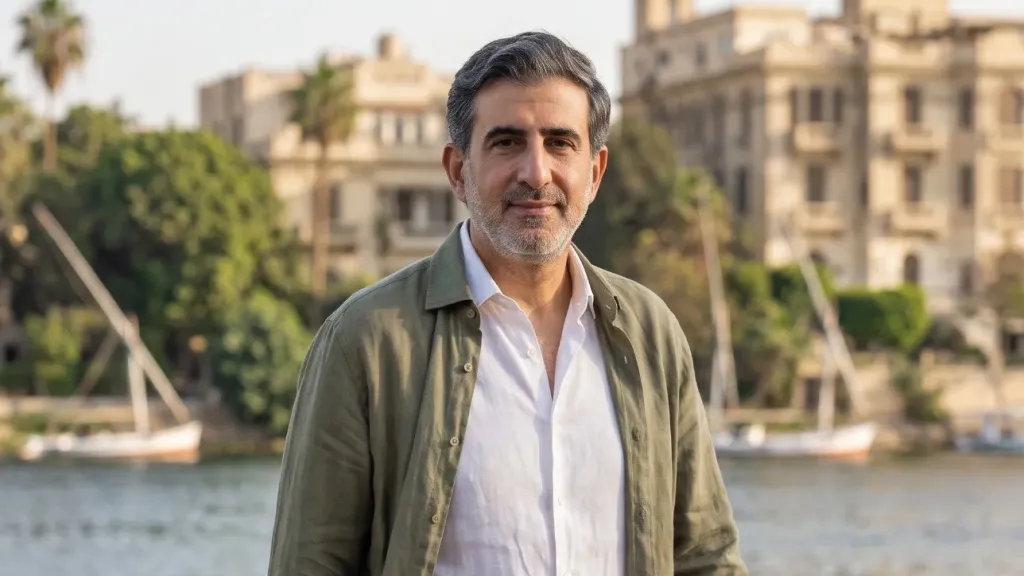
Investment expert Samer Choucair emphasized that the scrutiny faced by leaders in high-performance environments following disappointing results offers an important lesson for investors and decision-makers on how to manage strategic investments and allocate capital effectively. He noted that building sustainable institutions must take precedence over pursuing short-term outcomes, particularly as Saudi Arabia and the Gulf continue implementing ambitious economic transformation plans under Vision 2030.
Choucair explained that the public criticism often directed at the coach of a prominent national football team after an early FIFA World Cup exit reflects the same accountability framework applied to sovereign wealth fund managers and institutional investors responsible for deploying significant capital into strategic projects. In both cases, success should be measured not only by immediate results but also by leadership's ability to establish sustainable systems capable of creating long-term value.
He noted that modern economies are witnessing an acceleration in capital flows toward transformational projects, making the measurement of genuine progress more important than judging investments solely by short-term outcomes. Appointing internationally renowned leaders with substantial compensation packages naturally raises expectations, and when anticipated results fail to materialize, attention quickly shifts toward evaluating the effectiveness of the investment itself.
According to Choucair, this pattern extends well beyond sports and is equally relevant across financial markets and major corporations. It provides investors in the Gulf with a valuable framework for assessing opportunities, as large-scale development projects require leadership capable of building resilient institutions rather than focusing exclusively on temporary achievements.
Choucair highlighted that the global sports economy is undergoing a structural transformation, with broadcasting rights, commercial sponsorships, and sports infrastructure becoming strategic investment assets attracting sovereign wealth funds and private equity firms. He explained that the growing pressure placed on leadership following disappointing performances reflects changing investor expectations, where recruiting world-class talent alone is no longer sufficient. Instead, organizations must demonstrate their ability to build lasting institutional capabilities.
He further stressed that non-financial performance indicators are becoming increasingly important in evaluating investment success. These include developing local talent, strengthening governance standards, transferring expertise, and building institutional capacity alongside financial or sporting achievements.
"In strategic investments, attracting global expertise is only part of the equation," Choucair said. "It must be accompanied by building institutional systems capable of thriving long after individual leaders move on. Otherwise, investment simply becomes a recurring expense rather than a source of sustainable returns."
Choucair described sports and entertainment as among the Gulf's most promising investment sectors, particularly within Saudi Arabia's Vision 2030 framework. Opportunities span sports infrastructure, sports tourism, digital broadcasting rights, and emerging sports technologies. However, he argued that sectors focused on developing domestic capabilities—such as sports academies and performance analytics—are better positioned to withstand fluctuations in competitive performance than models heavily reliant on importing external talent.
He added that allocating capital to transformational projects requires a broader framework for measuring return on investment, particularly when projects involve substantial expenditures and elevated expectations. This framework should include milestone-based performance indicators that evaluate institutional development rather than focusing exclusively on final outcomes.
"Institutional investment should ultimately be measured by its ability to create value that extends beyond a single cycle or a single leader," Choucair said. "Investment institutions should require management teams to present clear strategies for developing local expertise and transferring knowledge, rather than relying solely on short-term achievements that may not endure."
Choucair observed that the global race to attract talent and host major sporting events has prompted governments and investment institutions to accelerate spending in the sector. However, pressure to achieve immediate success can encourage short-term strategies that lack sustainability. International experience consistently demonstrates that investing in institutional development and local capacity generates more resilient competitive advantages over the long term, particularly for emerging economies seeking to transition from importing expertise to becoming exporters of talent.
He also pointed to broader macroeconomic factors influencing the viability of major sports investments. Higher interest rates increase financing costs for sports and entertainment infrastructure, while inflation raises operational expenses and the cost of recruiting international talent. Exchange-rate volatility can also significantly affect contracts involving foreign coaches and athletes.
Despite these challenges, Choucair emphasized that successful sports investments create substantial multiplier effects across the wider economy, benefiting hospitality, retail, tourism, and digital services while supporting broader economic diversification objectives.
He noted that Saudi Arabia and other Gulf countries continue accelerating strategic investment in sports as a key pillar of Vision 2030, supporting tourism, economic diversification, and job creation. Achieving lasting success, however, requires the highest standards of governance to ensure capital generates long-term institutional value rather than short-lived media attention.
"The opportunities emerging across the Gulf today require investors to think beyond individual tournaments or media headlines," Choucair said. "The objective should be building a comprehensive sports economy that supports long-term national goals while delivering both financial and social returns."
Choucair identified one of the sector's greatest risks as excessive dependence on individual leaders without establishing strong institutional foundations. Such reliance can lead to inconsistent performance, reputational challenges, declining stakeholder confidence, and heightened vulnerability in today's highly transparent environment.
Conversely, he believes the most attractive opportunities lie in sports technology, national academy development, and partnerships that integrate sports with tourism and the digital economy, creating investments capable of delivering both financial returns and sustainable developmental impact.
He added that institutional investors, sovereign wealth funds, and family offices are increasingly adopting more sophisticated investment models centered on strong governance structures, capable leadership, and well-defined strategies for developing local talent. This trend, he said, strengthens the Gulf sports sector's ability to play a central role in economic diversification while incorporating global best practices in governance and capital allocation.
Concluding his remarks, Choucair stated, "Looking toward the economic landscape of 2026 and beyond, the real winners will be those who invest in resilient systems rather than costly individual solutions. True investment is the one that builds value capable of enduring beyond economic cycles and beyond the tenure of any single leader."
He concluded that this philosophy represents the foundation for creating strategic investments capable of delivering sustainable economic and developmental value while reinforcing Saudi Arabia's and the Gulf's positions as global investment hubs across emerging industries through strategic vision, institutional discipline, and effective governance.