
Samer Choucair: Separating Stable Assets from Volatile Businesses Is Reshaping the Investment Landscape
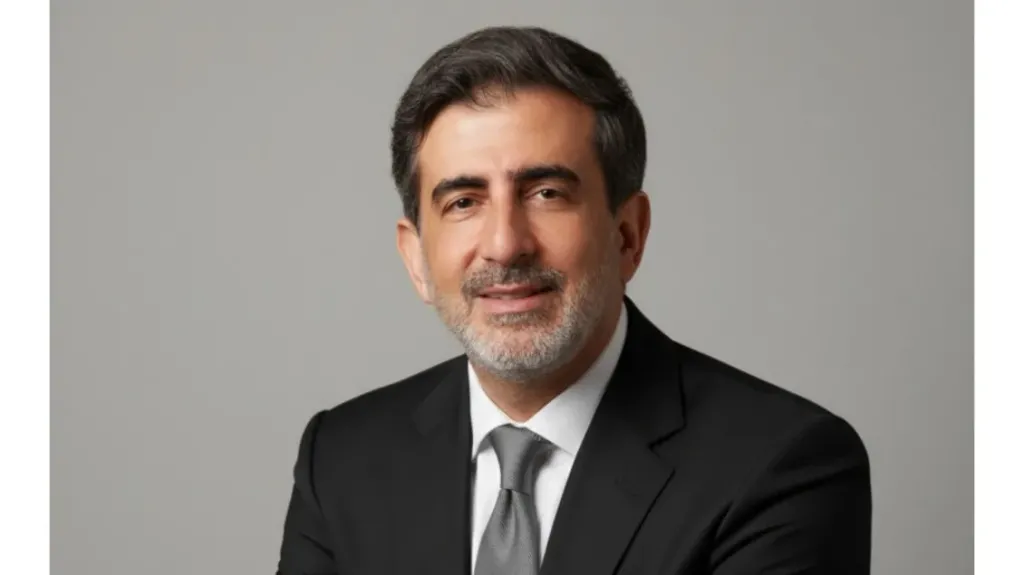
Investment expert Samer Choucair said Comcast's decision to separate its telecommunications infrastructure business from its media and entertainment operations represents a strategic shift that reflects the profound transformation taking place across the global digital economy. He explained that the move offers valuable lessons for investors, sovereign wealth funds, and financial institutions on the importance of reassessing integrated business models and allocating capital according to the distinct risk and return profiles of different business segments.
Samer Choucair noted that separating businesses with stable cash flows from creative, high-cost, and inherently volatile operations enables more efficient capital allocation while reducing the "conglomerate discount" that often affects companies operating across fundamentally different industries. He added that Comcast's restructuring reflects a broader global trend toward specialized companies capable of delivering clearer value propositions to shareholders.
Choucair explained that Comcast's decision comes at a time when traditional media companies continue to face mounting challenges as consumers shift from conventional television to digital streaming platforms. Declining subscriptions to legacy television services, rising content production costs, and intense competition from global streaming providers have increased pressure on profitability, while digital infrastructure businesses including broadband, fiber networks, and wireless services continue to benefit from growing demand for high-speed connectivity.
According to Samer Choucair, the market's positive response to the announcement demonstrates investors' preference for businesses with greater strategic focus and financial transparency. Institutional investors increasingly favor companies that generate predictable cash flows, particularly in an environment characterized by higher financing costs and increased emphasis on disciplined capital allocation.
Choucair added that the media and entertainment industry is undergoing a broad restructuring as streaming platforms reshape consumer behavior. He emphasized that future investments in the sector require careful evaluation of business models and their long-term sustainability, noting that acquiring media assets without fundamentally modernizing operational strategies could leave companies exposed to persistent cost pressures and revenue challenges.
"Investors must distinguish between the long-term value created by digital infrastructure and the opportunities within media businesses that require more agile operating models to remain competitive," Samer Choucair said. "Today's market is creating new investment opportunities across data centers, advanced telecommunications, 5G infrastructure, and digital services."
He added that these developments hold particular significance for Gulf economies, especially Saudi Arabia, where Vision 2030 continues to accelerate investment in technology, entertainment, and media. According to Choucair, the Kingdom is building an integrated ecosystem that combines world-class digital infrastructure with local content development and international investment partnerships.
Choucair said the most important lesson from Comcast's restructuring for regional investors is the need to differentiate between assets capable of generating sustainable long-term value and sectors that require fundamentally new growth strategies. He emphasized that Saudi Arabia's opportunity lies in building smart partnerships and pursuing selective investments rather than relying exclusively on traditional vertically integrated business models that may struggle to adapt to changing market conditions.
"Under Vision 2030, tremendous investment opportunities exist in Arabic content platforms and digital infrastructure," Samer Choucair said. "However, investors should avoid the pitfalls of excessive vertical integration that challenged many legacy companies and instead focus on strategic partnerships and disciplined capital allocation."
He noted that the regional content industry offers considerable growth potential as demand for Arabic, Islamic, and sports content continues to expand. However, he stressed that long-term success will depend on effective cost management and distribution models capable of competing globally, adding that investments in content creation should be based on a deep understanding of consumer behavior and evolving technology trends.
Choucair also expects further consolidation across the global media industry as newly separated businesses pursue mergers and acquisitions to achieve greater scale and competitiveness. He believes investors who closely monitor these structural shifts will be well positioned to capitalize on opportunities created through corporate restructuring.
He further emphasized that major macroeconomic trends including artificial intelligence, digital transformation, and interest rates will continue shaping corporate valuations. Artificial intelligence is already transforming content production and distribution, while digital infrastructure remains a foundational pillar supporting the global digital economy.
Concluding his remarks, **Samer Choucair** said successful investing in the future economy requires a clear strategic vision that distinguishes between businesses capable of generating sustainable long-term value and those that require entirely new operating models. He added that Gulf investors have a unique opportunity to build balanced portfolios that combine resilient infrastructure assets with growth opportunities emerging from the digital economy.