
Samer Choucair: Grand Egyptian Museum Strengthens Investment Appeal in Cultural Tourism
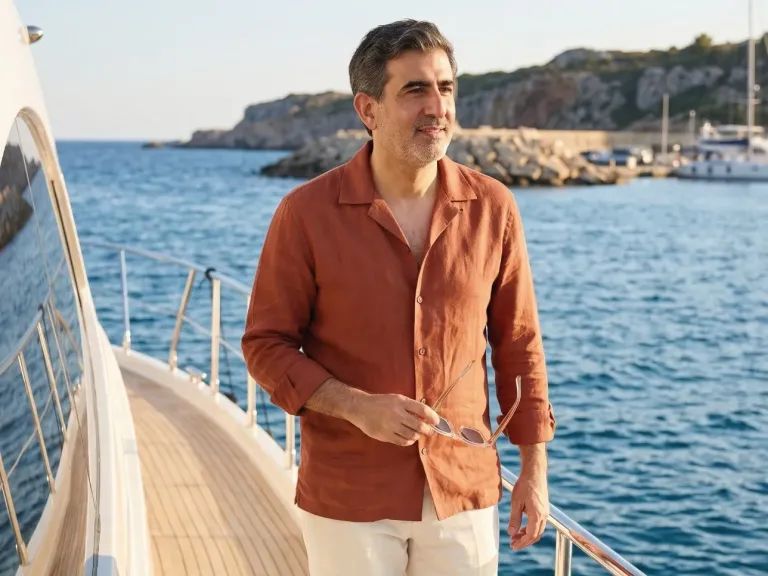
Investment entrepreneur Samer Choucair affirmed that major cultural projects combining historical heritage with modern architectural design have become key drivers of economic growth and investment attraction across the region, noting that this model reinforces cultural tourism as a long-term investment asset that supports economic diversification.
Choucair explained that the Grand Egyptian Museum represents a leading example of this approach, bringing together the preservation of Egypt’s rich historical legacy with an advanced visitor experience that enhances tourism’s contribution to the national economy while stimulating investment across hospitality, real estate, transportation, services, and technology.
He pointed out that Egypt’s tourism sector generated a record $16.8 billion in revenues during 2025, while the government aims to significantly increase international visitor arrivals in the coming years through major cultural and entertainment projects, highlighting the growing importance of investment in cultural infrastructure as a catalyst for sustainable economic growth.
Choucair added that the region is witnessing an accelerating race to develop world-class destinations that combine authenticity with innovation, whether in Egypt, Saudi Arabia, or the United Arab Emirates, as part of broader strategies designed to enhance competitiveness, attract foreign investment, and expand international tourism. He noted that such projects create compelling opportunities for institutional investors and investment funds seeking long-term value assets.
He emphasized that the economic impact of these developments extends well beyond ticket sales, generating increased activity across hotels, restaurants, retail, transportation, logistics, and the creative economy while creating new employment opportunities, ultimately multiplying the economic return on both public and private investments.
Choucair stressed that investors are increasingly viewing cultural projects as strategic investments capable of delivering both financial returns and enhanced national soft power, particularly when supported by clear development strategies and long-term economic reform programs.
He also noted that investment opportunities extend to digital technologies supporting tourism destinations, including smart ticketing systems, augmented reality applications, destination management solutions, and the development of surrounding commercial districts, alongside expanded public-private partnerships.
Concluding his remarks, Samer Choucair stated that successful investment in the sector depends on execution quality, strong governance, and sustainable operations, adding that projects capable of transforming cultural heritage into lasting economic value will be best positioned to attract capital and generate long-term returns in line with the region’s ongoing economic transformation.