
Samer Choucair: Combining Saudi Resources with IFAD”s Global Expertise Creates an Ideal Framework for Attracting Long-Term Capital
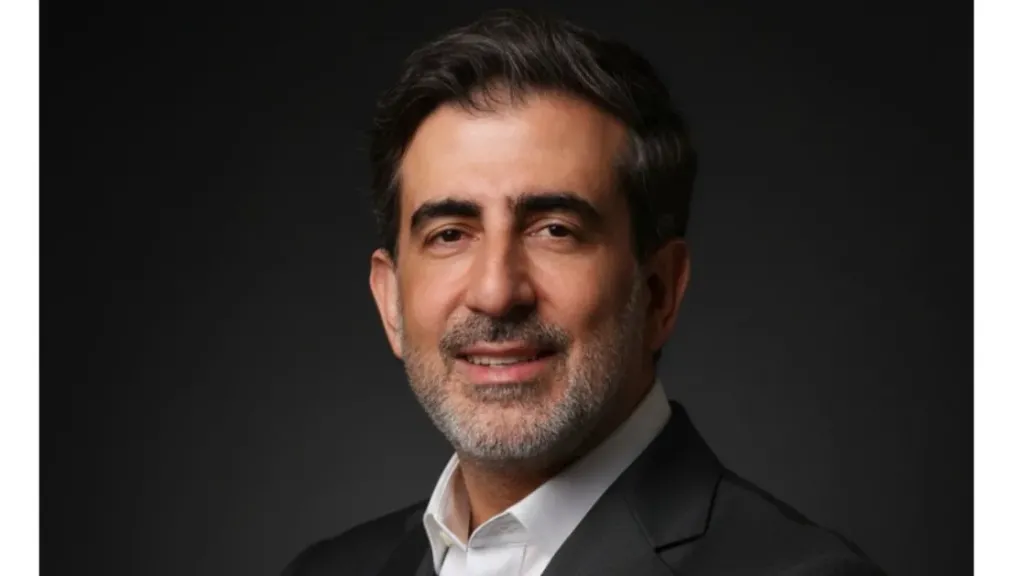
Investment leader Samer Choucair emphasized that the growing partnership between Saudi Arabia and the International Fund for Agricultural Development (IFAD) represents an advanced model for institutional investment in rural transformation and climate finance. He noted that combining Saudi financial resources with IFAD's global expertise opens new opportunities for institutional investors, sovereign wealth funds, and family offices to participate in projects that generate sustainable financial returns while delivering long-term development impact, in line with the objectives of Saudi Vision 2030.
Choucair's comments came in response to remarks made by IFAD's Regional Director for the Middle East, Dina Saleh, in an interview with Al-Eqtisadiah newspaper on July 6, 2026. She highlighted the fund's strategy of integrating its global expertise with Saudi resources to accelerate rural transformation and build more resilient food systems, as the Kingdom intensifies efforts to strengthen food security and reduce reliance on food imports.
Choucair explained that IFAD's latest indicators demonstrate the sector's growing attractiveness. Projects with strong private-sector participation have achieved income gains of approximately 64%, while climate finance now accounts for nearly 60% of IFAD's loan and grant portfolio, significantly exceeding its original target of 45%. He said these figures reflect the evolution of public-private partnership models and highlight promising investment opportunities in food security and sustainability.
Choucair stated, "Combining Saudi resources with IFAD's global expertise in rural transformation creates an ideal framework for reducing risk and attracting long-term capital. Partnerships of this kind enable sovereign wealth funds and family offices to balance financial returns with strategic impact in a sector that is critical to national security."
He noted that this partnership comes at a particularly important time as regional and global food systems face mounting challenges. Gulf countries continue to contend with limited arable land, water scarcity, and heavy dependence on food imports, while Saudi Arabia, through Vision 2030, is working to increase agriculture's contribution to non-oil GDP, strengthen food self-sufficiency, and reduce food waste by 50% by 2030.
Choucair added that cooperation with IFAD—of which Saudi Arabia is both a founding member and one of its largest contributors—builds upon the Kingdom's Sustainable Rural Agricultural Development Program (Reef), implemented by the Ministry of Environment, Water and Agriculture. However, he stressed that the current phase extends beyond traditional financing to include knowledge transfer, technical expertise, advanced technologies, and the development of more climate-resilient food value chains.
He emphasized that this transformation strengthens investment opportunities in blended finance models that combine multilateral financing with private capital, accelerating capital flows into sustainable finance instruments, including green bonds and sustainability-linked sukuk supporting smart irrigation, precision agriculture, and food logistics infrastructure.
Choucair explained that climate finance exceeding 60% of IFAD's total loan and grant portfolio confirms that climate-related projects have become a leading investment priority, creating opportunities for expanding green finance instruments within the Saudi market and increasing investment in sustainability-focused sectors.
He identified agricultural technology as one of the sectors expected to benefit most from this trend, particularly in smart irrigation, vertical farming, remote sensing technologies, and water resource management. He also highlighted opportunities across food value chains, including cold-chain logistics, sustainable food processing, food waste reduction technologies, joint investment funds, and sustainability-linked financing instruments.
Choucair added that both domestic and international companies operating in these sectors will find growing opportunities through co-financed projects supported by IFAD's institutional partnerships and technical expertise.
He further noted that institutional investors could strengthen portfolio resilience by allocating between 3% and 7% of their long-term investments to food security and rural sustainability assets, particularly through blended finance structures that provide additional capital protection through multilateral guarantees.
Choucair said, "Investing in this sector is not merely an ESG commitment; it is a strategic allocation that helps protect portfolios against food inflation and global supply chain disruptions over the long term. Partnerships with institutions such as IFAD also provide an additional layer of governance and transparency."
He pointed out that the competitive landscape includes organizations such as the Saudi Agricultural and Livestock Investment Company (SALIC), the Agricultural Development Fund, and emerging agritech companies. However, partnerships with IFAD provide qualified projects with a significant advantage through access to concessional financing and international expertise, enhancing their appeal to global investors.
Choucair explained that this cooperation coincides with improving food security indicators, including a gradual decline in imports of certain strategic grains due to increased domestic production and government incentives. He added that the Saudi model could become a practical example for other Gulf countries facing similar challenges related to food security and water resource management.
Discussing potential risks, Choucair noted that investments in this sector still face climate-related challenges, continued water scarcity, implementation risks in rural areas, and fluctuations in global food commodity prices that may affect project profitability.
He stated, "Investors should conduct comprehensive feasibility studies focused on long-term revenue models and technological integration rather than relying solely on government support or concessional financing."
Choucair added that IFAD's climate finance performance creates momentum for a significant expansion in joint projects over the coming years, particularly as Saudi Arabia advances toward its Vision 2030 milestones. He expects companies specializing in smart agricultural technologies, sustainable logistics, and green finance to be among the primary beneficiaries.
Concluding his remarks, Choucair said the latest announcement sends a clear message that Saudi Arabia is accelerating the integration of the rural and agricultural sectors into its national investment strategy. He encouraged institutional investors to move early into blended finance structures and sustainability-driven projects while building diversified portfolios that combine operational food value chain assets with climate finance instruments and leverage partnerships with IFAD and the Agricultural Development Fund to reduce risk, enhance returns, and maximize development impact.
He concluded that this partnership represents far more than an expansion of financing. Rather, it reflects a comprehensive transformation of the investment landscape in one of the most strategically important sectors for Saudi Arabia's future economy, strengthening food security, improving investment efficiency, and supporting sustainable long-term development.