
Samer Choucair: Egypt’s World Cup Success Strengthens the Economic Value of Sports
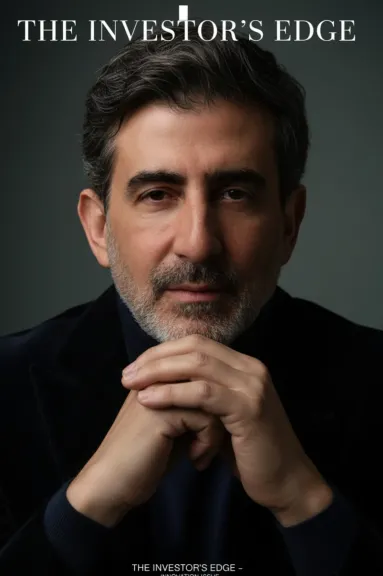
Investment entrepreneur Samer Choucair said Egypt’s qualification over Australia at the 2026 FIFA World Cup represents far more than a sporting achievement, highlighting the growing economic potential of football as a fully integrated industry capable of driving investment across media, sports, technology, and tourism.
Choucair explained that the match, which ended in a draw before Egypt secured victory in a penalty shootout, demonstrated the value of building a national team that combines experienced leaders with emerging talent. He noted that Mohamed Salah’s return to the starting lineup and his successful penalty, alongside Emam Ashour’s opening goal, reinforced the commercial and media strength of the Egyptian national team.
"Successful national teams do more than win matches," Choucair said. "They increase the value of broadcasting rights, sponsorships, and digital content while attracting investment throughout the sports industry."
He added that modern football is no longer driven solely by athletic performance but has evolved into a data-driven business supported by analytics, artificial intelligence, and digital technologies. This transformation is creating significant opportunities for companies specializing in performance analysis, content management, digital platforms, and fan engagement.
According to Choucair, major sporting achievements also generate economic benefits across hospitality, tourism, marketing, and e-commerce, as demand rises for team merchandise, branded products, and digital sports content while global audiences continue to expand.
He noted that having multiple players capable of making the difference on the biggest stage enhances the market value of the national team while creating greater commercial opportunities for clubs and football associations to capitalize on international interest in Egyptian talent. He stressed that developing a professional ecosystem to manage and maximize this value will be one of the country's most important priorities.
"The economic value of sports does not end with winning a match," Choucair said. "It lies in transforming sporting success into sustainable investment across media, technology, football academies, broadcasting rights, and content creation."
Choucair added that investment in football academies, sports technology, performance analytics, and digital media can convert on-field achievements into long-term economic returns while supporting the development of a more sustainable sports economy.
He also pointed out that the Arab region is experiencing rapid growth in sports investment, driven by major development projects and economic diversification strategies. This trend is creating new opportunities for public-private partnerships while increasing the contribution of sports to GDP, employment, tourism, and innovation.
Choucair concluded by emphasizing that Egypt's success at the 2026 FIFA World Cup represents an opportunity to build a stronger sports economy that extends beyond competition, positioning football as a strategic sector capable of attracting investment, supporting economic growth, and strengthening the country's international profile.