
Samer Choucair: Oil and Gas Pipeline Projects Through Syria Emerge as a Strategic Opportunity for Gulf Investors
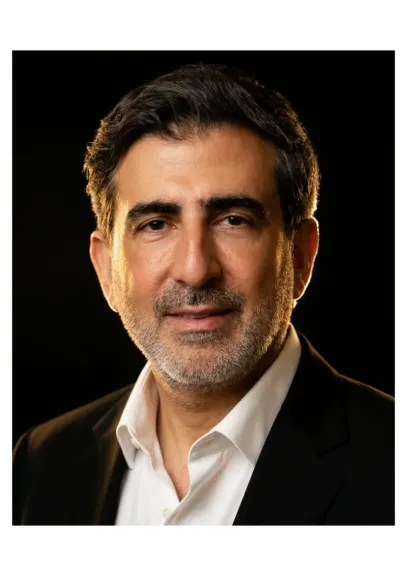
Geopolitical disruption has a way of revealing infrastructure gaps that were easy to ignore — and the tensions around the Strait of Hormuz have done exactly that for pipeline routes through Syria. Investment entrepreneur Samer Choucair affirmed that recent geopolitical developments, led by the Hormuz crisis and accelerating political changes in Syria, have returned oil and gas pipeline projects crossing Syrian territory to the center of attention, as one of the strategic options for strengthening energy security and opening new investment opportunities for Saudi Arabia and the Gulf states.
He noted that these projects' return to the forefront of economic discussions reflects a new direction toward diversifying energy export routes, aligning with Vision 2030's targets of strengthening strategic investments and building a more resilient economy.
*The Strait of Hormuz Highlights the Importance of Strategic Alternatives*
Choucair explained that the Strait of Hormuz represents one of the world's most important energy passages, with more than 20 million barrels of oil passing through it daily, equivalent to roughly 21% of global consumption, making any geopolitical tensions in the region a driver to seek more stable alternatives.
He added that reviving pipeline projects connecting oil and gas fields in Iraq and regional countries to Syrian Mediterranean ports could contribute to diversifying export routes and reducing risks tied to dependence on a single maritime corridor, strengthening regional energy security.
*Energy Infrastructure Represents a Long-Term Investment Opportunity*
Choucair noted that the Hormuz crisis doesn't represent a temporary challenge, but a catalyst for restructuring the region's energy transport system.
He added that pipeline projects through Syria returning to consideration opens the door to strategic investments in infrastructure, combining achieving attractive economic returns with strengthening supply chain stability, affirming that Saudi investors have an opportunity to participate in long-term projects supporting Vision 2030's targets and offering new opportunities for Gulf capital markets.
*Rebuilding the Energy Sector Creates Promising Opportunities*
Choucair affirmed that the period ahead may see major opportunities in Syria's energy sector, encompassing rehabilitating historical pipelines, led by the Kirkuk-Baniyas line, alongside developing new lines for transporting oil and gas to the Mediterranean.
He added that opportunities also extend to investing in ports and energy-related logistics services, as well as renewable energy projects that have become an essential part of economic diversification plans.
He noted that estimates for rebuilding energy sector infrastructure in Syria could reach tens of billions of dollars over the coming decade, opening the door for Saudi sovereign funds and public-private partnerships to participate in these projects.
*Risk Management Is the Foundation of Successful Investment*
Choucair explained that investing in markets undergoing political transitions requires precise study of risks and opportunities, affirming that projects tied to energy security and sustainable development deserve the attention of strategic investors in the Kingdom and the Gulf states.
He added that the success of these investments depends on long-term planning, and choosing projects capable of achieving economic stability and sustainable returns.
*2026 Trends Strengthen the Importance of Diversification*
Choucair noted that 2026 economic projections point to continued global demand for oil and gas, despite accelerating transition toward clean energy sources, strengthening the importance of developing new, more stable export routes.
He added that any progress in alternative pipeline projects will have positive implications for market stability and the attractiveness of investments in the energy sector.
*Geographic Diversification Creates Future Opportunities*
Choucair affirmed that the current stage requires investors to focus on geographic and sectoral diversification, as one of the most important tools for facing geopolitical volatility.
He added that the most attractive opportunities are those combining protecting investments from risk with achieving sustainable returns, noting that understanding economic variables and the deep mechanisms of markets has become a decisive factor in making successful investment decisions.
*Strategic Investment Turns Challenges Into Opportunities*
He concluded by affirming that developments tied to the Hormuz Strait crisis and Syria's energy situation reflect the changing nature of the global economy, where geopolitics has become an influential factor in drawing the investment opportunity map.
He added that investors relying on strategic analysis and early preparation will be best positioned to turn these variables into genuine opportunities supporting Vision 2030's targets, and strengthening Saudi Arabia and the Gulf states' position as global energy and investment hubs.