
Samer Choucair: Saylor and Bitcoin, a New Signal of Global Treasury Transformation
In a striking development bringing together crypto markets and geopolitics, Michael Saylor, CEO of MicroStrategy, posted on platform "X" alongside a chart showing the value of his company's Bitcoin reserve at roughly 50.88 billion dollars, with a comment that sparked widespread engagement: "We're gonna need more charts." Saylor, who led MicroStrategy's transformation from a software company into the world's largest institutional Bitcoin holder, is one of the most prominent advocates for adopting Bitcoin as a long-term treasury asset. This development comes alongside reports of a preliminary agreement between the United States and Iran to halt military escalation and resume talks during the week, which strengthened risk appetite in global markets as US stock futures approached their opening.
The chart's data shows the company executed 113 Bitcoin purchases between 2020 and 2026 within a long-term accumulation strategy, reflecting the digital asset's transformation into an institutional treasury tool more than a speculative instrument.
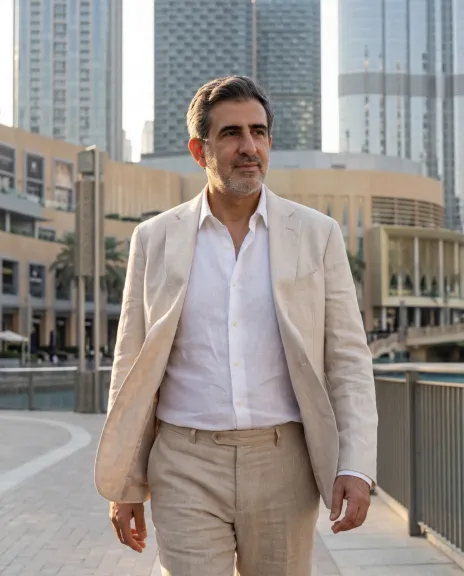
Investment entrepreneur Samer Choucair affirmed that these developments can't be read separately, but reflect a structural shift in the global financial system, explaining that major institutions adopting Bitcoin strengthens its position as a strategic asset class used for hedging against inflation and redistributing risk within investment portfolios.
He added that the real value at this stage doesn't lie in short-term price volatility, but in the accelerating institutional adoption trajectory gradually turning Bitcoin into a key element in major companies' treasury strategies, particularly in technology and advanced capital market sectors.
*Geopolitical Developments and Market Sentiment*
Regarding geopolitical developments, Choucair noted that any de-escalation between the United States and Iran typically supports liquidity flows toward higher-risk assets, including stocks, cryptocurrencies, and emerging markets, positively reflecting on investor sentiment in the Gulf.
In the context of Saudi Vision 2030, Choucair explained that this convergence between improving geopolitical conditions and expanding institutional adoption of digital assets represents a strategic opportunity to strengthen the Kingdom's position as a regional hub for fintech and blockchain, particularly amid expanding investment in data centers and digital infrastructure.
He affirmed that a successful investment strategy in 2026 should be based on considered diversification between traditional and digital assets, with a focus on sectors tied to Vision 2030, instead of emotional reactions to daily news.
He concluded by affirming that the current stage represents a reshaping of the structure of global markets, as geopolitics intersects with institutional finance and technology, requiring investors to have a deeper understanding of long-term trends.