
Samer Choucair: Rising Global ”Ghost Jobs” Strengthen Investment Opportunities in Saudi HR Technology
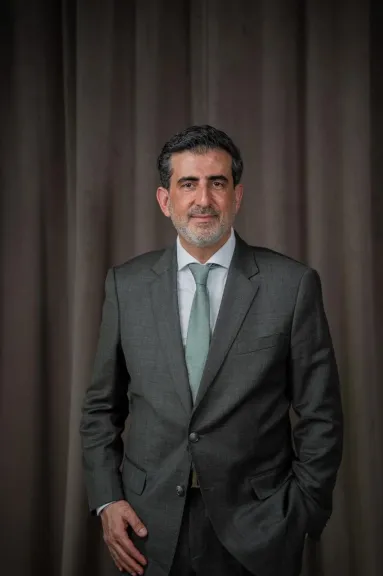
Samer Choucair, investment entrepreneur, said that the "ghost jobs" phenomenon experiencing growing spread across many global markets is no longer just an issue tied to recruitment, but has become an economic indicator revealing deeper shifts in labor markets and corporate management methods, affirming that Saudi Arabia has an opportunity to turn this global challenge into a new investment path supporting Vision 2030's targets.
He added that a report Newsweek published on June 28, 2026 shed light on the growing number of "ghost job" postings, jobs companies advertise without genuine intent to fill them, noting that these postings' rates range between 18% and 22% on some recruitment platforms, while other studies indicated they could reach 40% in some cases.
He explained that some institutions resort to these postings to build candidate databases, test the labor market, or send signals suggesting growth and expansion to investors, despite the absence of genuine positions.
*Why Are Ghost Jobs Increasing Globally?*
Choucair noted that a ghost job is a posting that remains published despite the position having already been filled, canceled, or never having existed in the first place, explaining that the ease of posting ads through digital platforms, alongside economic uncertainty, have contributed to this phenomenon's spread globally.
He added that the continuation of these practices leads to frustrating job seekers, while also distorting genuine employment indicators and making reading labor market conditions more difficult for investors and decision-makers.
*The Saudi Labor Market Offers a Different Model*
Choucair affirmed that Saudi Arabia is moving in a completely different direction, as the labor market experiences genuine growth backed by economic reforms and Vision 2030 projects.
He explained that the unemployment rate among citizens fell to 7% during the fourth quarter of 2024, alongside a clear rise in labor market participation rates, particularly among women.
He added that the giga projects the Kingdom is implementing in infrastructure, tourism, renewable energy, and manufacturing sectors continuously create thousands of quality job opportunities, making Saudi Arabia an attractive environment for investing in genuine human capital.
*Where the Opportunities Lie in Recruitment Technology*
Choucair said that the growing demand for transparency in labor markets opens the door to promising investment opportunities, particularly in the technology sector tied to human resources.
He added: "Despite the global noise around ghost jobs, the Saudi economy is experiencing genuine employment growth within strategic sectors, creating major opportunities for investing in smart recruitment technologies and advanced vocational training programs."
He noted that the most prominent investment opportunities during 2026 lie in investing in HR technology and artificial intelligence (HR Tech), which relies on artificial intelligence to verify job postings' credibility, improve matching processes between companies and candidates, and reduce waste in recruitment processes, affirming that these solutions have become a necessity for both major and emerging companies.
*Skills Development Supports Vision 2030's Targets*
Choucair explained that growing demand for talent in artificial intelligence, green energy, and engineering fields strengthens the importance of investing in the digital education and training sector (EdTech), noting that skills development programs will be among the fastest-growing sectors in the coming years, given their role in meeting the changing needs of the Saudi labor market.
He added that investing in human capital development has come to represent one of the key drivers of sustainable economic growth.
*A Deeper Reading When Evaluating Companies*
Choucair affirmed that investors shouldn't rely on the number of advertised positions when evaluating companies, but should instead analyze actual employment indicators.
He explained that the smart investor monitors genuine employee count growth in financial statements, professional platform data, and actual workforce expansion, not just the number of postings published.
He added: "Smart investing requires the ability to distinguish between genuine and illusory indicators. Companies that genuinely invest in their talent and achieve actual employment growth are most deserving of support and investment."
*Investing in Human Capital as a Growth Pillar*
Choucair noted that investing in human capital within Gulf states is no longer an additional option, but has become one of the core pillars for achieving Vision 2030's goals.
He added that investors with a deep understanding of labor market mechanisms will be better positioned to achieve long-term returns, by investing in companies building genuine teams and adopting innovation as part of their strategy, affirming the importance of partnerships between government and private sectors in localization and training programs, explaining that they create investment opportunities achieving financial return alongside sustainable social and developmental impact.
*Turning Challenges Into Competitive Advantage*
He concluded his remarks by affirming that the continued implementation of Vision 2030 and the accelerating growth of the non-oil economy gives the Kingdom an opportunity to turn the "ghost jobs" phenomenon from a global crisis into a catalyst for innovation in recruitment, training, and skills development.
He added that focusing on genuine growth indicators, and investing in technologies that strengthen transparency and labor market efficiency, will enable investors to benefit from the promising opportunities the Saudi economic transformation creates, helping build a more resilient, sustainable economy for future generations.