
Samer Choucair: Digitalization Has Become Part of Seat Economics in Aviation
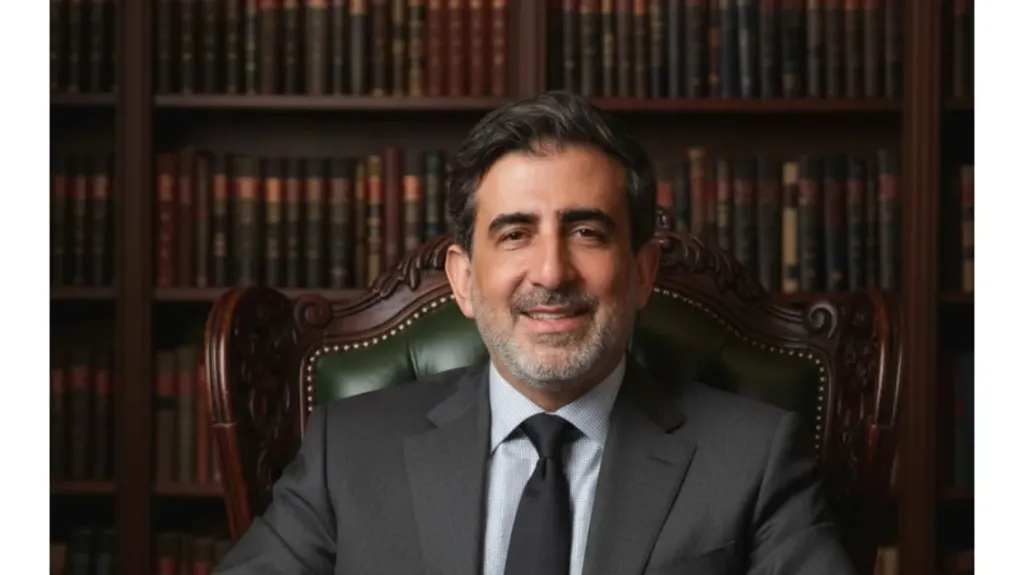
Investment leader Samer Choucair said the launch of operations from King Fahd International Airport in Dammam on September 20, 2026 by a consortium led by Air Arabia Group, with participation from Nesma Group and Kun Holding and a majority Saudi ownership structure, represents more than the arrival of a new airline in the Saudi market.
Samer Choucair said the development reflects a broader shift in the allocation of capital across transportation, logistics, and aviation.
He added that the consortium receiving its air operator certificate from the General Authority of Civil Aviation and beginning operations from Dammam signal stronger competition in the low cost aviation market and a growing economic role for the Eastern Province within the national transport network.
Institutional Investors Do Not Buy an Inaugural Flight
Samer Choucair explained that the first phase includes three domestic destinations, Riyadh, Jeddah, and Madinah, with two daily flights to Riyadh and Jeddah and one daily flight to Madinah.
He said the investment value is not determined by the number of flights alone, but by whether the new capacity can create sustainable demand and stimulate broader economic and tourism activity.
Samer Choucair said: “Institutional investors do not buy an inaugural flight. They look beyond it. The real question is whether the new capacity will translate into sustainable demand and cash flows, and which assets and services will benefit from the increase in air traffic.”
The Eastern Province Needs a Transport Network That Makes It an Economic Hub
Samer Choucair said the Eastern Province brings together energy, petrochemicals, industry, ports, and logistics, alongside a large population and economic base.
He said stronger air connectivity can therefore support business activity, tourism, labor mobility, and the movement of skilled professionals.
Choucair said: “The Eastern Province does not simply need more flights. It needs a transport network that makes it an integrated economic hub. The lower the cost of time and mobility, the greater the ability of companies and tourism and industrial projects to attract activity and investment.”
Samer Choucair said the development is consistent with Vision 2030 and Saudi transport and logistics programs, particularly as the Kingdom works to increase the contribution of non oil sectors and strengthen connectivity between cities and regions.
Capacity Alone Does Not Create Investment Value
Samer Choucair said the entry of a new low cost carrier could increase price competition on domestic routes, but it could also expand the passenger base and stimulate demand from travelers who currently depend on road transport or postpone trips because of cost.
He said: “Capacity alone does not create investment value. Value appears when capacity turns into a stable load factor and when ancillary revenues and supporting services become part of the economics of the flight.”
Choucair noted that expansion plans target 24 domestic destinations and 57 international destinations over the medium term, with an ambition to carry around 10 million passengers annually by 2030 and create more than 2,400 direct jobs.
Capital Looks for the Value Created Around the Aircraft
Samer Choucair said the investment impact extends beyond the airline itself to ground services, aircraft maintenance, training, cargo, airport related real estate, and digital solutions for booking, pricing, and revenue management.
He said: “Capital does not chase the airline logo. It looks for the value created around it. When a new operating base opens, the potential beneficiaries are not limited to the carrier. They include airports, service providers, maintenance companies, training providers, real estate, and digital services.”
Digitalization Has Become Part of Seat Economics
Samer Choucair said the low cost aviation model increasingly depends on dynamic pricing, mobile applications, data analytics, and ancillary sales, making technology a direct driver of operating efficiency.
He said: “Digitalization in aviation is no longer an additional feature. It has become part of seat economics itself. Every improvement in demand forecasting, pricing, or fleet management can translate directly into a margin difference.”
Samer Choucair added that the success of future international expansion will depend on traffic rights, suitable airport slots, stability in fuel and financing costs, and the consortium’s ability to maintain sustainable load factors.
Success Is Measured by Turning a License Into a Network
Samer Choucair said institutional investors will closely monitor pricing stability after the launch phase, growth in non oil activity in the Eastern Province, and the consortium’s ability to finance expansion without excessive leverage.
Samer Choucair concluded: “Long term investment does not measure the success of a project by the number of flights on launch day. It measures its ability to turn a license into a network, the network into productivity, and productivity into sustainable cash flows. Starting operations from Dammam is one point on that path. What matters most is the traffic, investment, and value that this point can generate over the coming years.”