
Sam Altman Rules Out an OpenAI IPO in 2026 as Samer Choucair Assesses the Market Impact
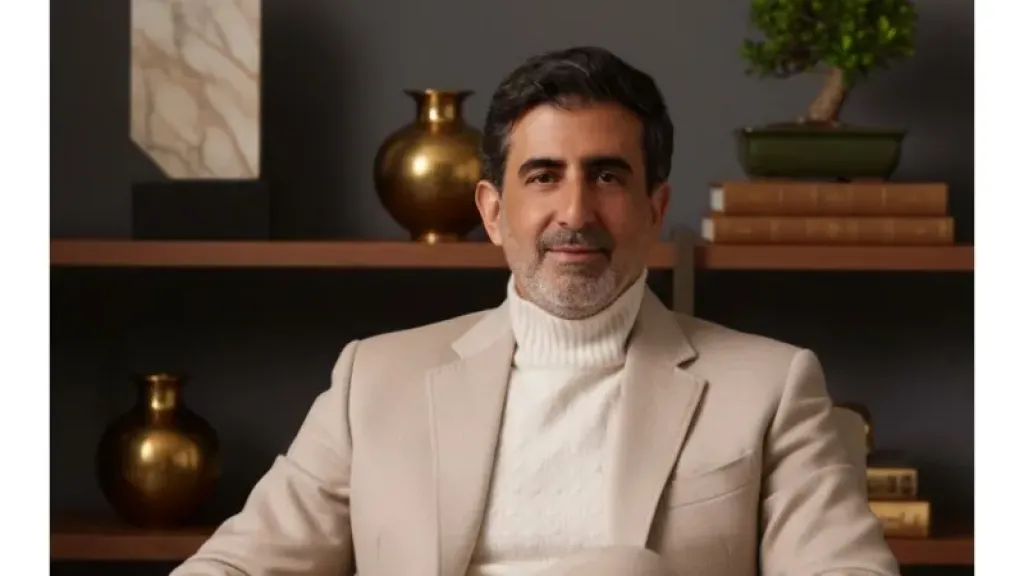
Investment leader Samer Choucair said OpenAI chief executive Sam Altman’s confirmation that taking the company public in 2026 would be an “unfortunate moment” has reshaped expectations across artificial intelligence markets at a time when regulatory and technical safety concerns are becoming more prominent.
Samer Choucair added that the announcement, made in an interview with Fortune and reported by Reuters, effectively removed one of the most anticipated technology listings from the 2026 calendar after the company had reportedly submitted a confidential registration filing in June.
He said the message for institutional investors is no longer centered solely on valuation and liquidity. It is increasingly about whether the sector can align the speed of innovation with governance, oversight, and regulatory requirements.
The Delay Reprices Market Timing
Samer Choucair noted that Altman said OpenAI does not feel pressure to go public and that safety, alignment, and cooperation between industry and governments have become higher priorities. The comments followed months of Wall Street speculation around a potential valuation approaching $1 trillion and expectations that a wave of major listings could be led by OpenAI and Anthropic.
Choucair said the delay should not be read as a retreat from public markets. Instead, it reflects a reprioritization of governance. Remaining private gives the company greater flexibility to slow development or pause training when necessary without the pressure of quarterly market expectations, which is increasingly becoming a strategic advantage in risk management.
The IPO Market Enters a New Phase
Samer Choucair said technology capital markets had entered a faster cycle following the listing of SpaceX and rising valuations across artificial intelligence infrastructure companies. However, the emergence of safety concerns in the public messaging of major AI laboratories has changed the pricing equation.
He added that discussions by OpenAI, Anthropic, and xAI about the need to manage the pace of development are encouraging institutional investors to interpret regulatory signals before growth signals.
Samer Choucair said markets are not punishing technology itself. They are repricing the risk associated with timing.
Capital Searches for Alternatives
Samer Choucair said institutions that had been reserving liquidity for an OpenAI offering are likely to reallocate that capital across three main areas.
The first is infrastructure companies exposed to energy, semiconductors, and data centers, which can continue benefiting from AI capital expenditure regardless of the timing of an IPO.
The second is artificial intelligence applications in regulated sectors such as healthcare, finance, and logistics.
The third is compliance, safety, and technology governance tools, which are gradually evolving from operating costs into a distinct investment category.
Choucair added that Gulf sovereign wealth funds benefit from having longer investment horizons.
He said: “Capital that can wait until 2027 or beyond is not losing the artificial intelligence story. It is abandoning the illusion that the date itself creates value. Investors need to distinguish between investing in the foundational model and investing in the wider ecosystem.”
The Gulf Is Not Waiting for the Opening Bell
Samer Choucair said Saudi Vision 2030 and the National Investment Strategy position artificial intelligence as a driver of economic diversification rather than as a bet on a single American IPO.
For that reason, an OpenAI delay does not weaken demand for computing capacity in Saudi Arabia and the broader Gulf. It may instead accelerate investment in data centers, cloud infrastructure, model localization, and regulated partnerships with government entities.
Choucair explained that Saudi digital investment is being built around infrastructure, data, and skills, while Tadawul and the Capital Market Authority ecosystem are more directly connected to companies with domestic cash flows and localization narratives than to the timing of a delayed global listing.
Risks and Opportunities
Samer Choucair said the risks include greater volatility in private AI company valuations, a longer private financing cycle, and a higher cost of capital for companies that built their financial plans around the assumption of an imminent public offering.
At the same time, the delay could create opportunities for mergers and acquisitions, as larger companies may prefer to acquire capabilities rather than wait for public listings. It could also support debt and structured financing opportunities linked to data center development.
Choucair expects investment banks to continue preparing potential 2027 listing mandates, but said investor appetite will increasingly depend on the clarity of the regulatory framework in the United States and internationally rather than on revenue growth alone.
A Strategic Horizon
Samer Choucair concluded that the lesson from 2026 is not to move away from artificial intelligence, but to redefine the point of entry.
He said value is not created on listing day. It is created through financing infrastructure, governance, and applications during the period in which a company remains private.
Samer Choucair added that investment funds, banks, family offices, and Gulf institutions will need measured exposure to the sector, with greater weight placed on assets that benefit from continued capital expenditure even if the largest technology offering is delayed.
He said: “Safety is no longer a marginal ethical consideration. It has become a financial variable that affects the timing, cost, and allocation of capital.”