
Samer Choucair: Electricity Is Becoming the Decisive Weapon in the AI Race
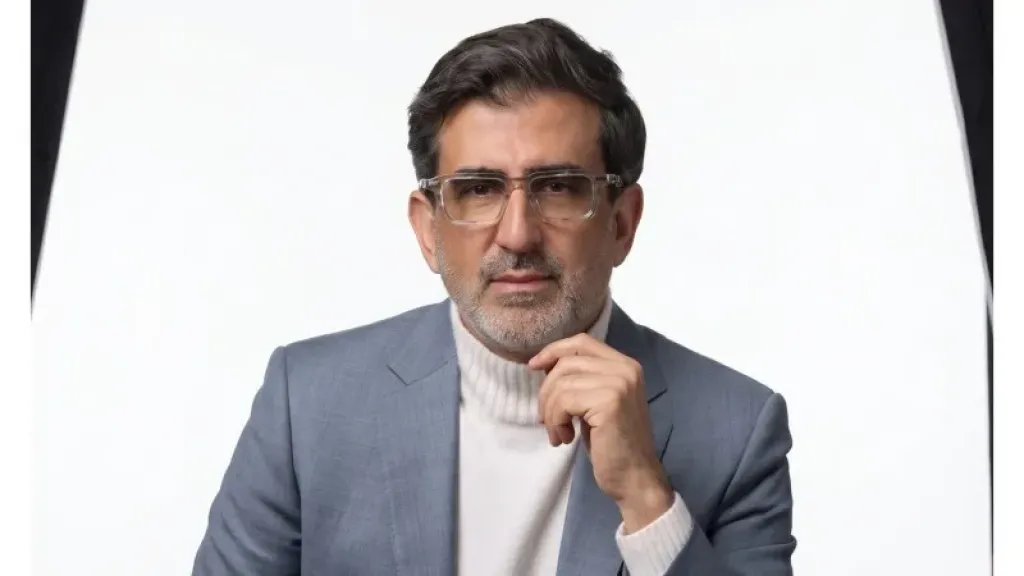
Investment leader Samer Choucair said the global artificial intelligence race has entered a new phase in which access to chips and computing capacity is no longer enough to determine the pace of growth. Electricity supply, transmission networks, cooling systems, permitting, and community acceptance are increasingly becoming decisive factors in determining returns on massive AI infrastructure investments.
Choucair explained that capital expenditure by five major technology companies exceeded $400 billion in 2025, while the International Energy Agency expects spending to rise by approximately 75% in 2026. At the same time, electricity consumption by data centers increased by 17% during 2025. The IEA expects global data-center electricity consumption to nearly double from around 485 terawatt-hours in 2025 to approximately 950 terawatt-hours by 2030, equivalent to nearly 3% of global electricity demand.
According to Samer Choucair, the challenge is no longer purely technological. Developments in the United States have demonstrated that rapid data-center expansion is increasingly colliding with concerns over electricity prices, water consumption, noise, and the limited capacity of existing power grids to absorb substantial new demand.
Data Center Watch estimates that 48 data-center projects in the United States were blocked or delayed during 2025 because of local opposition, representing approximately $156 billion in potential investment. For investors, this highlights an increasingly important reality: possessing capital and computing technology does not guarantee that a data center can actually be built, connected to the grid, and operated economically.
Choucair added that the decision by Amazon, Google, Meta, Microsoft, OpenAI, Oracle, and xAI in March 2026 to sign a pledge aimed at protecting consumers from bearing the electricity costs associated with data-center expansion represents an important shift in the relationship between technology companies and utilities. At the same time, it places greater responsibility on investors to assess the true cost of electricity and supporting infrastructure when evaluating AI projects.
Samer Choucair believes the investment opportunity is therefore gradually moving toward the companies and projects that provide reliable electricity generation, transmission infrastructure, cooling systems, energy storage, and the physical components underpinning digital infrastructure.
This trend is reinforced by the technology sector’s growing interest in nuclear power. Conditional power-purchase agreements between data centers and small modular reactor projects have expanded from approximately 25 gigawatts at the end of 2024 to around 45 gigawatts in 2026, illustrating how securing long-duration, reliable power is becoming increasingly strategic for AI operators.
At the Gulf level, Choucair said the competitive advantage is not simply lower energy costs. The more important advantage lies in the ability to combine land, electricity, financing, and digital infrastructure within a single integrated ecosystem.
He pointed to the partnership between HUMAIN and DataVolt at Oxagon in Saudi Arabia, where the first phase is expected to begin with approximately 100 megawatts of data-center capacity, as an example of the Kingdom’s broader push to develop an integrated infrastructure platform capable of supporting artificial intelligence at scale.
For institutional investors, the implications extend well beyond technology stocks. As AI infrastructure expands, the economics of electricity generation, grid capacity, transmission, cooling, storage, and data-center development are becoming increasingly interconnected with the economics of artificial intelligence itself.
Samer Choucair concluded that institutional investors should increasingly evaluate AI assets through one fundamental question: Who controls reliable, contractable electricity and has the infrastructure required to deliver that power to computing facilities?
The next phase of artificial intelligence, Choucair argued, will not simply be a race to build the largest or most sophisticated AI models. It will increasingly become a race to control the infrastructure that allows those models to operate, scale, and generate economic returns.
In that environment, electricity is no longer merely an operating cost for artificial intelligence. It is becoming one of its most strategically important assets.