
Samer Choucair: Saudi Arabia Posts SAR 17.3 Billion Trade Surplus, but Oil Raises a Warning Flag
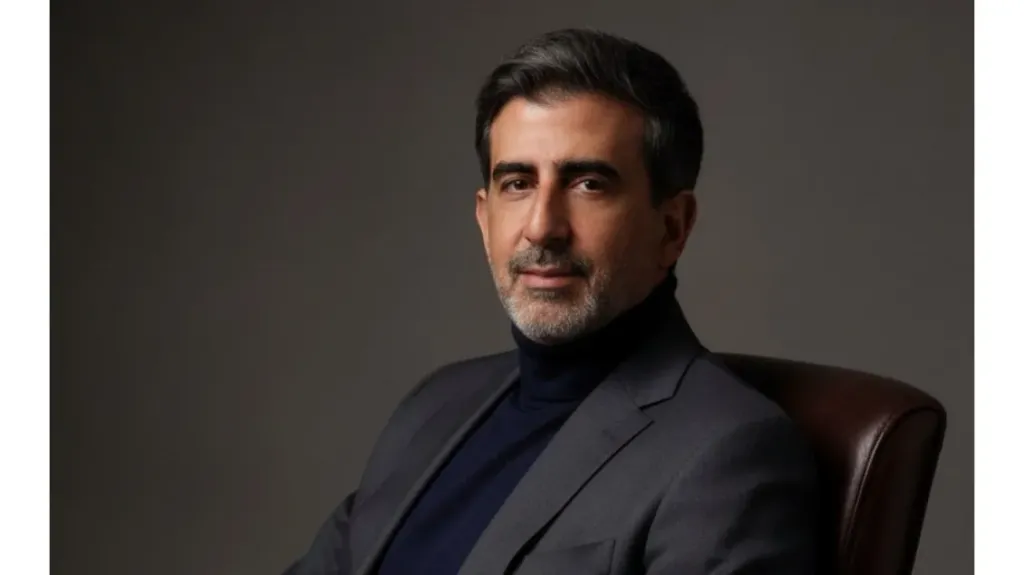
Investment leader Samer Choucair said Saudi Arabia’s trade surplus narrowing to approximately SAR 17.3 billion in June 2026 does not represent a fundamental shift in the strength of the Kingdom’s external position. However, it sends an important signal to investors about the composition of that surplus and the extent to which it remains dependent on oil.
Choucair explained that Saudi merchandise exports declined 4.5% year-on-year to approximately SAR 87.76 billion in June, while imports fell 3% to around SAR 70.45 billion. Oil exports decreased 2.3% to SAR 63.18 billion. As a result, the trade surplus contracted by roughly 10% compared with the same period a year earlier.
According to Samer Choucair, the more significant signal for institutional investors lies in the performance of non-oil exports. Including re-exports, non-oil exports fell 9.7% to approximately SAR 24.59 billion, while national non-oil exports declined 11.4% to SAR 15.25 billion. Re-exports also fell 6.7% to around SAR 9.33 billion.
At the same time, oil’s share of total exports increased to 72% in June from 70.4% a year earlier, largely because non-oil exports contracted at a faster pace.
Choucair stressed that reading a single month in isolation from the broader trend could be misleading. Saudi Arabia continued to record a substantial trade surplus during the first half of the year, estimated at approximately SAR 154.7 billion.
For investors, therefore, the key question is not simply whether the surplus declined in June, but whether non-oil exports can regain momentum during the second half of 2026.
Choucair added that the decline in re-exports, particularly weaker exports of machinery and electrical equipment, deserves close attention because it can provide an early indication of trends in trade activity and supply chains.
At the same time, continued strength in oil exports provides important support to Saudi Arabia’s external position. However, it also means that a significant portion of the Kingdom’s trade performance remains linked to the energy cycle.
Samer Choucair concluded that institutional investors should not evaluate Saudi Arabia’s trade surplus as a standalone headline number. Instead, they should assess the interaction between the value and volume of oil exports, the growth trajectory of non-oil exports, and the Kingdom’s ability to convert its strategic logistics position into higher-value exports and re-exports.
For Choucair, the longer-term test of economic diversification will come when Saudi Arabia’s trade surplus becomes increasingly driven by productivity, manufacturing, and logistics rather than remaining highly sensitive to fluctuations in global oil prices.