
Samer Choucair: Gaza Plan Stalemate Freezes Reconstruction Billions and Reprices Risk
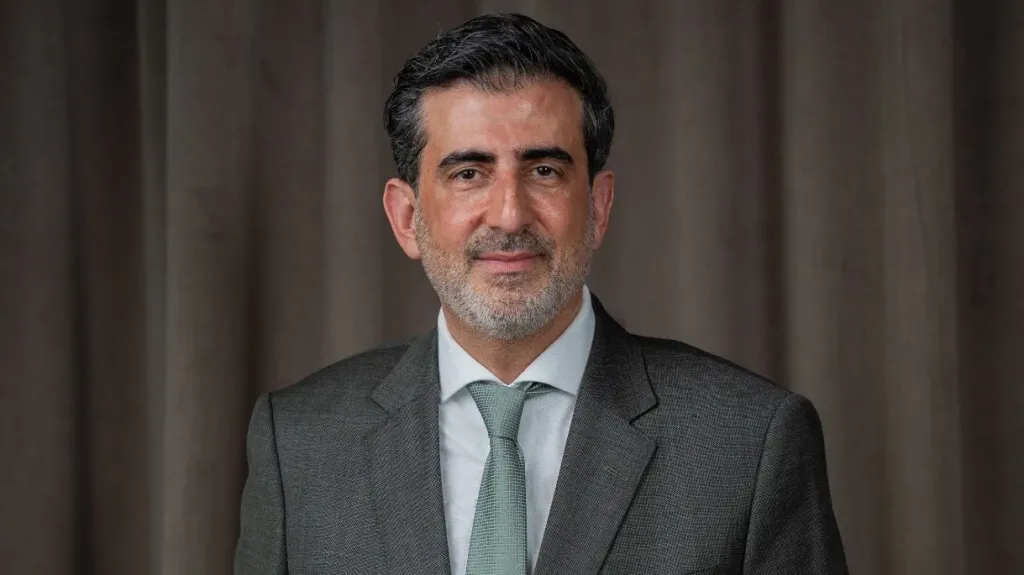
Investment expert Samer Choucair believes the stalled political track tied to U.S. President Donald Trump's plan on Gaza is reshaping institutional capital's calculations regarding the reconstruction file, after talks between U.S. envoy Jared Kushner and Hamas in Egypt, and with Israeli Prime Minister Benjamin Netanyahu in Jerusalem, ended without a decisive breakthrough. The main sticking point centers on sequencing the steps between disarming Hamas, an Israeli withdrawal, and starting reconstruction.
Choucair said markets aren't treating Gaza's reconstruction as merely a construction opportunity, but as an investment conditioned on a high level of political, security, and legal risk. Private capital inflows will therefore remain limited unless a clear mechanism emerges for governance, site security, asset protection, and financing and execution guarantees.
The latest estimates from the World Bank, the United Nations, and the European Union show recovery and reconstruction needs in Gaza have risen to about $71.5 billion, compared with an initial estimate of $53 billion in February 2025. The difference reflects the scale of the damage and the rising cost of recovery, making reconstruction a multi year process requiring a mix of grants, concessional financing, and private investment.
Choucair notes that agreeing on the principle of reconstruction doesn't automatically mean money flows into projects. The coming phase needs measurable indicators, including clear security arrangements, a governance mechanism capable of managing services, regulation of the movement of goods and people, and clarity on who is responsible for licensing and contracting.
Stabilization funding itself also remains at an early stage. The United States has allocated more than $206 million to support the proposed international stabilization force in Gaza, an amount tied to basic infrastructure, equipment, and operations, not funding for a comprehensive reconstruction cycle.
Choucair believes direct investment opportunities will remain deferred, while contracting, building materials, logistics, energy, and water companies in neighboring countries, particularly Egypt, could benefit selectively if transit, security, and financing conditions improve.
Choucair adds that the Israeli elections scheduled for October 27, 2026 represent an additional factor in risk calculations, especially since Gaza has become a central issue in the Israeli political landscape.
Choucair concludes that institutional investors aren't refusing to participate in Gaza's reconstruction, but are waiting for the file to move from a stage of political pledges to a stage of auditable execution. The real benchmark, in his view, won't be the amount of money announced, but the parties' ability to convert it into secure, financeable, and insurable projects with clear governance and cash flows that can be properly valued.