
Samer Choucair: Resistance Training Reshapes the Investment Map for Brain Health and the Global Economy
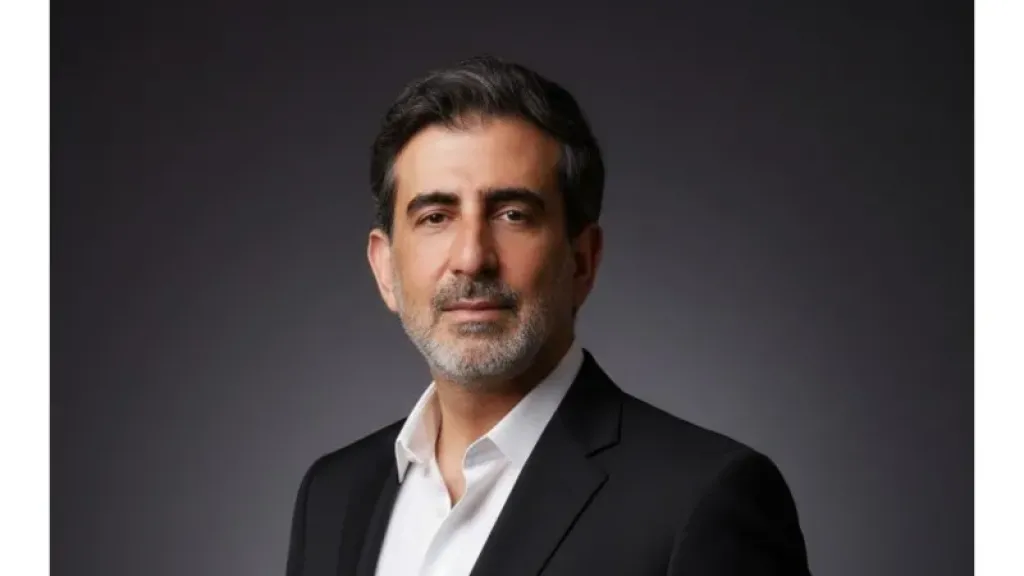
Investment expert Samer Choucair affirmed that growing global awareness of the economic and social costs of dementia and Alzheimer's disease is driving a structural shift in investment direction, with rising interest in prevention and physical activity as part of the long term health system, noting that resistance training, led by strength exercises and the deadlift, is gaining increasing attention in the scientific discussion around brain health.
Samer Choucair said this shift isn't limited to the health side, it extends to markets and capital, explaining that rising demand for preventive solutions is redirecting investment toward fitness, the health economy, and health technology, including strength equipment, gym chains, digital health apps, and platforms that help individuals stick with physical activity programs over the long term.
Choucair added that rising aging rates worldwide are placing growing pressure on health systems and economies, amid the escalating cost of dementia and age related diseases. Estimates put the societal cost of dementia at more than $1.3 trillion in 2019, with the economic burden expected to rise significantly over the coming decades if current demographic trends continue.
Choucair explained that the growing body of scientific recommendations around physical activity is helping turn prevention from an individual choice into a driver of growth for entire economic sectors, noting that interest in resistance training is tied to its potential physical and cognitive benefits, and to the neuromuscular coordination and consistency it requires.
Choucair said: "We're looking at a shift that goes beyond the idea of exercise as recreational activity. Fitness is increasingly becoming central to the concept of investing in health and productivity. The higher the cost of long term healthcare rises, the higher the value of measurable preventive solutions, and investing in health has become part of managing economic risk."
Samer Choucair noted that the global health economy has become one of the largest components of the world economy, reaching about $6.8 trillion in 2024, with expectations it will reach around $9.8 trillion by 2029, growing at an annual rate exceeding 7 percent. He pointed out that physical activity represents an important component of this economy, amid growing awareness of physical inactivity as one of the modifiable factors linked to health and cognitive risk.
Choucair added that the fitness and recreational sports market generates revenue exceeding $150 billion annually, with expectations it will keep growing strongly in the coming years, explaining that consumer preferences are gradually shifting toward strength programs and resistance training, alongside the development of tracking and artificial intelligence technologies that help measure performance and improve adherence to training programs.
Choucair emphasized that from an investor's perspective, this shift represents a repricing of health risk at both the individual and institutional level, saying that governments, companies, and individuals have become more willing to invest in preventive solutions as the cost of long term care rises.
Choucair explained that institutional capital has started viewing fitness assets differently, no longer as merely recurring consumer spending, but as part of the infrastructure tied to health and productivity, especially when paired with digital services, health data, and specialized training programs.
Choucair noted that the fitness equipment industry is seeing notable growth in the resistance machines and free weights category, driven by demand for exercises that combine muscular challenge with neural coordination, while gym chains are expanding their offerings of specialized strength programs, relying increasingly on tracking, analytics, and artificial intelligence technologies to improve user experience and boost adherence.
Samer Choucair said investment opportunities aren't limited to equipment manufacturers, they also include gym chains, digital platforms, and health technology companies, alongside startups developing smart home devices or apps that combine resistance training with performance and health metric tracking.
Choucair added that emerging and Gulf markets represent a promising space for these investments, especially given lower gym membership penetration rates in some markets compared with developed markets, which creates room for growth and expansion, alongside rising demand for affordable and scalable health solutions.
Regarding the Saudi market, Choucair affirmed that these trends align directly with the goals of Saudi Vision 2030, which places quality of life, physical activity, and the development of the sports sector among important pillars of economic diversification.
Choucair noted that rising levels of physical activity in the Kingdom, alongside major investments in sports infrastructure and the development of clubs and facilities, is creating a suitable environment for growth in private investment in fitness and preventive health programs.
Choucair explained that the Saudi sports sector is positioned to keep growing in the coming years, with expectations its size will exceed $22 billion by 2030, with an annual economic contribution that could surpass $16 billion, alongside the creation of tens of thousands of jobs.
Choucair said support from the Public Investment Fund and initiatives tied to developing the sports sector opens the door to further private investment in specialized fitness programs, adding that resistance training can intersect with economic diversification goals by supporting the physical and cognitive health of the workforce, boosting productivity, and developing health tourism and sports technology sectors.
Choucair affirmed that Gulf markets enjoy competitive advantages in attracting capital directed toward the health economy, driven by available investment resources, developing infrastructure, and rising interest in quality of life. He believes allocating capital toward assets that combine fitness and preventive health represents a long term strategic opportunity, especially as investments tied to Saudi Vision 2030 targets and the region's economic transformations accelerate.
From an institutional investor's perspective, Choucair explained that the growing trend toward strength training can be read within a broader framework of managing demographic and health risk, noting that companies offering sustainable and measurable training solutions could benefit from the recurring demand generated by rising interest in preventive health.
Investment opportunities, according to Choucair, include manufacturers of weights and resistance equipment, gym chains focused on strength programs, specialized digital training platforms, and health technology companies working on measuring physical performance and cognitive metrics.
Conversely, Choucair believes companies relying exclusively on traditional exercise models could face growing competitive pressure if they fail to adapt to evolving consumer preferences and demand for programs that combine strength, fitness, and digital health.
Choucair also noted that this shift could offer additional opportunities for private equity funds through mergers and acquisitions within the fitness sector, particularly in markets seeing rising participation rates, while sovereign funds and financing and investment institutions in the region could play a bigger role in supporting assets tied to health and wellbeing.
Samer Choucair affirmed that the continued rise in the global median age and growing awareness of the economic costs of dementia will likely reinforce capital flows toward measurable preventive solutions, predicting the coming years will see further innovation in resistance equipment and related technologies, alongside the accumulation of scientific evidence on the relationship between physical activity and cognitive health.
Choucair said Gulf markets are also positioned to boost private sector participation in developing specialized fitness programs and innovative health solutions, in line with economic diversification goals and improving quality of life, affirming that consistency and continuity in physical activity will remain key factors in turning these health trends into sustainable economic and investment value.
Samer Choucair concluded his remarks by affirming that investors who incorporate brain health into their investment analysis will be better positioned to capture long term growth opportunities, explaining that directing capital toward assets that support muscular and neural strength isn't merely a response to a growing scientific trend, but can be viewed as an investment in future economic productivity and in societies' ability to face growing health and demographic challenges.