
Samer Choucair: Aramco’s Flexibility in European Supply Is Redefining the Reliability Premium in Energy
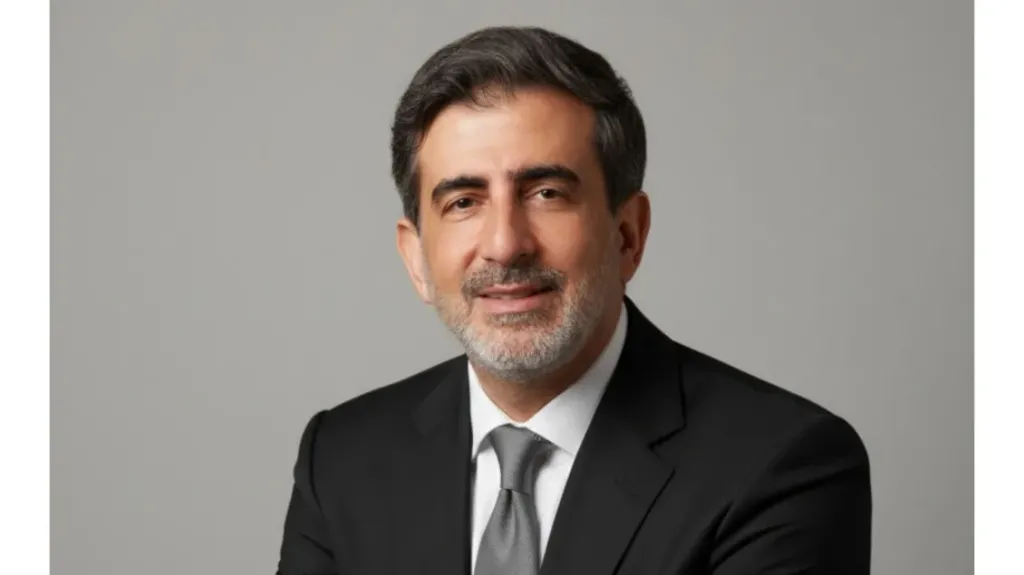
Investment leader Samer Choucair said Saudi Aramco’s notification to at least three European refineries that they would receive their full contractual crude volumes for September reflects an important shift in how supply risks are being assessed, particularly given the availability of delivery options through Egypt’s Sidi Kerir port, Yanbu, or ship-to-ship transfers off Malta.
Choucair noted that this flexibility comes amid significant disruptions to oil flows through the Arabian Gulf and Red Sea. Aramco’s ability to maintain its contractual commitments, he said, strengthens its reputation as a reliable supplier and gives investors an indication of its ability to protect revenues and cash flows in a complex geopolitical environment.
Alternative Infrastructure Is Reshaping Supply Risk
Choucair noted that disruptions around the Strait of Hormuz and threats linked to the Red Sea and Bab el-Mandeb have prompted the redirection of significant crude volumes through western routes, using the East-West pipeline to Yanbu and then Egypt’s SUMED pipeline to Sidi Kerir.
This route provides direct access to European markets without complete reliance on maritime corridors facing elevated risks, at a time when shipping and insurance costs have increased.
Choucair said the roughly one-week delay in informing European customers of their allocations compared with the usual schedule reflects the complexity of current logistics. However, providing full contractual volumes to at least three refineries, alongside multiple delivery options, demonstrates the priority placed on preserving long-term contractual relationships.
Europe Benefits From Saudi Crude Flexibility
Choucair said Europe remains a strategic market for Saudi medium and sour crude grades, particularly as refineries seek to replace shortages from other sources.
Providing contracted volumes can ease operational pressures and reduce the need to rely on more expensive alternatives.
The option to load from Yanbu or conduct ship-to-ship transfers off Malta adds another layer of flexibility, reducing dependence on a single port and providing European buyers with an advantage as the cost of longer voyages to some Asian markets rises.
Capital Reassesses Operational Flexibility
Samer Choucair said investors are no longer evaluating energy companies solely on the basis of reserves and production capacity. Increasingly, they are assessing a company’s ability to convert those assets into stable cash flows through multiple export routes.
Aramco’s decision to maintain full volumes despite higher shipping and insurance costs, he said, reflects a priority on protecting market share and long-term customer relationships. This could support cash-flow stability and strengthen company valuations.
Choucair added that sovereign wealth funds and asset managers are assigning greater importance to operational flexibility when allocating capital between productive and logistics assets. Transportation, storage, and energy-services companies could consequently attract greater investment interest.
Direct Implications for Vision 2030
Choucair explained that maintaining European supplies supports the stability of Saudi oil revenues and provides financial flows that help fund economic diversification projects under Vision 2030, including manufacturing, renewable energy, and infrastructure.
Strengthening Saudi Arabia’s reputation as a reliable global supplier, he added, also supports efforts to attract foreign investment and enhances the appeal of the Saudi financial market for investors seeking stable exposure to the energy sector.
Investment Opportunities and Remaining Risks
Choucair said the developments create opportunities across integrated energy companies, shipping, storage, and logistics services, as well as European refining companies that could benefit from more stable supplies.
However, he cautioned that prolonged disruptions could structurally increase shipping and insurance costs. Further regional escalation could also test the capacity of alternative routes, including the SUMED pipeline, while potentially leading to changes in the allocation of crude volumes between Europe and Asia.
The “Reliability Premium” Becomes a Capital Allocation Metric
Samer Choucair concluded that institutional investors are likely to place greater emphasis on operational resilience when evaluating Gulf energy companies.
Capital is no longer focused solely on production volumes and reserves, but increasingly on a company’s ability to deliver its products on time and with minimal disruption.
Choucair said Aramco provides a practical example of how infrastructure can be used to protect long-term value. As disruptions to maritime corridors persist, the “reliability premium” could become an increasingly important factor in the pricing of energy equities and futures contracts, potentially directing more institutional capital toward companies capable of adapting to severe geopolitical scenarios.