
Samer Choucair: Waste Heat from Data Centers Is Becoming a New Investment Opportunity
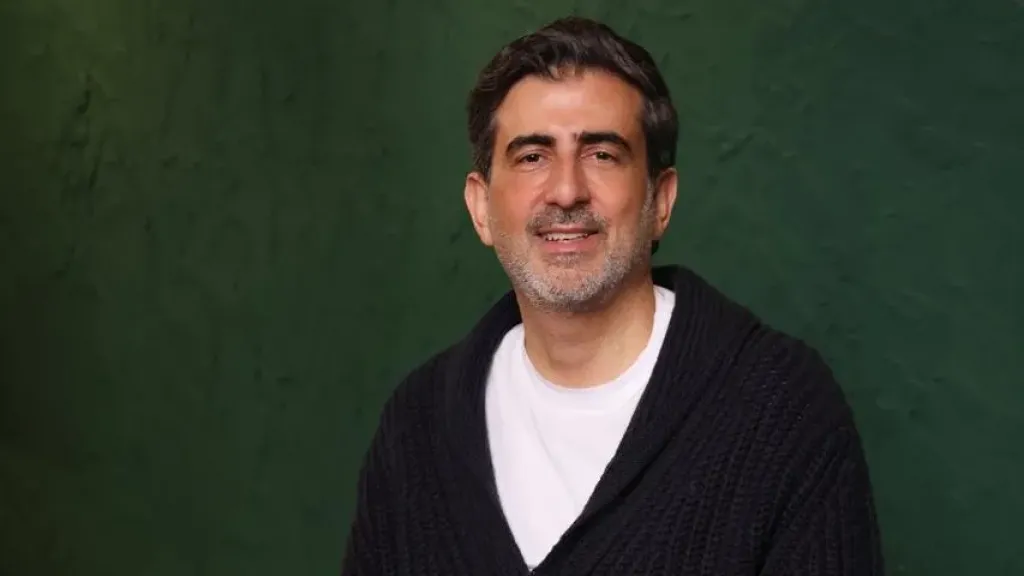
Investment leader Samer Choucair said that the rapid expansion of artificial-intelligence computing has turned data centers into major sources of waste heat, alongside their rapidly increasing electricity consumption.
Choucair explained that hybrid infrastructure models combining computing with public, recreational, or industrial uses can transform waste heat from an operating cost and environmental burden into an additional revenue stream, while strengthening ESG credentials and reducing the risk of community opposition.
He noted that global data-center electricity consumption was expected to reach 565 terawatt-hours in 2026, a 26% increase from the previous year, according to Gartner estimates. The International Energy Agency, meanwhile, projected that consumption could approach 945 terawatt-hours by 2030, nearly doubling. A significant portion of that energy ultimately becomes heat, making heat recovery an increasingly important economic and investment issue.
From Waste Heat to a Productive Asset
Choucair explained that the concept of hybrid buildings has begun to emerge through approaches that place data centers underground or behind architectural structures and then redirect excess heat toward swimming pools, recreational facilities, and district-heating networks.
He pointed to the American architecture firm Form4’s Pink Thermal Baths concept, which combines a public bath and recreational facilities above an underground data center. Server-generated heat is used to warm the pools and create a hot-spring-like experience.
Miroslava Brooks, Form4’s co-founder, has noted that waste-heat recovery already exists, but the project expands the concept architecturally by integrating public uses and digital infrastructure into a single system.
Choucair said institutional investors are increasingly viewing data centers as more than computing facilities.
“An asset can generate cash flows from both computing and thermal energy,” he said, “reducing operating-cost risks and improving long-term risk-adjusted returns.”
Real-World Applications and Investment Opportunities
Choucair noted that Europe and North America have already seen practical applications of this model.
In the United Kingdom, small data centers have been connected to public swimming pools to reduce heating bills. In Paris, a data center has contributed to heating an Olympic swimming pool, while data centers in Stockholm have supplied part of the city’s heating requirements.
These projects demonstrate that waste heat can potentially become a tradable commodity within thermal-energy networks, Choucair said.
He identified three major investment themes:
1. Real-estate and technology developers capable of designing dual-use assets.
2. Liquid-cooling and heat-pump providers that enable efficient heat recovery.
3. Infrastructure funds seeking assets with stronger ESG characteristics and more stable, diversified revenue streams.
Saudi Arabia and the Gulf Face a New Opportunity
Choucair warned that constructing massive data centers in isolation from their surrounding communities could face growing constraints involving permitting, electricity supply, and local acceptance.
Smart capital, he said, will increasingly favor projects capable of converting thermal burdens into public or industrial value.
“This is not simply an environmental improvement,” Choucair said. “It is a strategy for managing operational and regulatory risk.”
In Saudi Arabia and the Gulf, the expansion of data-center capacity is aligned with Vision 2030 and broader economic-diversification objectives. Initiatives associated with the Public Investment Fund, including projects linked to Humain, are targeting gigawatt-scale computing capacity and multibillion-dollar investments in digital infrastructure.
Choucair said integrating data centers with recreational facilities, district-heating networks, or industrial applications in economic cities and new tourism destinations could improve energy efficiency, reduce carbon footprints, and create value for surrounding communities.
The region’s competitive energy costs and extensive land availability could also provide a comparative advantage for developing these integrated infrastructure models.
Risks and the Investment Outlook
Choucair expects private-equity, infrastructure, and sovereign wealth funds to increase their interest in projects offering circular-energy solutions, although several challenges remain.
These include the temperature of recovered heat, the cost of thermal-energy networks, data-center security, and the development of viable pricing models for recovered heat.
He added that rising electricity demand could place additional pressure on power grids, making thermal efficiency and heat recovery strategic priorities—particularly in markets imposing heat-recovery requirements or stringent environmental standards.
Hybrid projects could potentially gain advantages in permitting and financing where these standards become more demanding.
The Next Generation of Data Centers
Choucair expects waste-heat recovery to move from experimental projects toward becoming a core component of future data-center design as AI workloads continue to grow.
He concluded that Gulf investors should reassess digital-infrastructure assets through a broader lens.
“Capital allocation today must consider not only computing capacity, but also an asset’s ability to generate multidimensional value,” Choucair said.
According to Choucair, infrastructure capable of simultaneously generating economic, social, and environmental value could become an increasingly important pillar of long-term diversification strategies.