
Samer Choucair: $55 Billion Electronic Arts Takeover Reshapes the Capital Map of the Gaming Industry
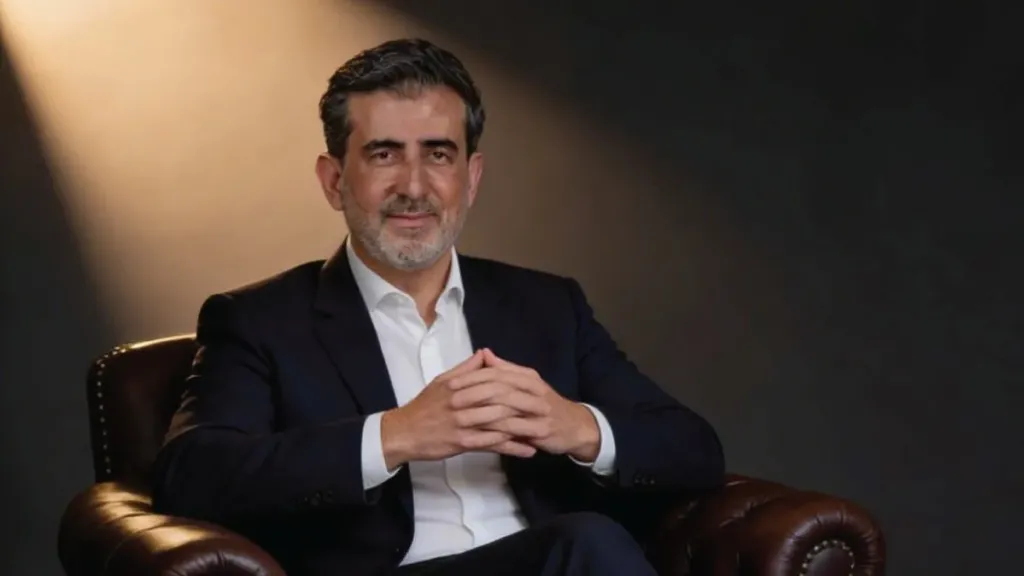
Investment leader Samer Choucair said the completion of the acquisition of Electronic Arts (EA) at an enterprise value of approximately $55 billion, led by Saudi Arabia’s Public Investment Fund (PIF) in partnership with Silver Lake and Affinity Partners, represents a historic turning point for the gaming industry, as the company became privately held after decades as a publicly traded business.
He described the transaction as the largest leveraged buyout in history, with shareholders receiving $210 per share.
Choucair added that the financing structure included approximately $36 billion in equity, including the reinvestment of PIF’s existing stake, alongside $20 billion in committed debt financing led by JPMorgan. Approximately $18 billion in financing is expected to be funded at closing.
Under the new ownership structure, PIF will own approximately 93.4% of the new entity, while Silver Lake and Affinity Partners will retain minority stakes.
Strong Financials Despite Growth Challenges
Samer Choucair explained that EA entered the transaction with a strong financial base. The company reported annual revenue of $7.531 billion in fiscal 2026, compared with $7.463 billion the previous year, while net bookings increased to $8.026 billion from $7.355 billion.
The company’s strength is supported by globally recognized franchises including EA Sports FC, Battlefield, The Sims, and Madden NFL.
Choucair noted that the transaction follows Microsoft’s approximately $69 billion acquisition of Activision Blizzard in 2023, but differs in its unprecedented scale as a leveraged buyout.
Sovereign Capital Enters a New Phase
Samer Choucair said the transaction reflects a shift in institutional-capital behavior, with long-term investors increasingly seeking assets that possess global user communities, recurring revenue streams, and the ability to support greater leverage while maintaining strategic flexibility beyond the pressures of quarterly results.
He added that PIF’s involvement at this scale strengthens Saudi Arabia’s strategy to diversify the economy and expand its presence across gaming, sports, entertainment, and media.
The transaction could also create opportunities to connect digital assets with broader investments in sports, tourism, and entertainment.
Debt and AI at the Center of the Next Phase
Samer Choucair emphasized that the success of the transaction will depend on EA’s ability to manage its debt burden while maintaining and expanding its user base.
Private ownership could give the company greater flexibility to restructure costs, focus on its most profitable franchises, and deploy artificial intelligence in game development and production to improve efficiency and reduce costs.
Choucair said the key risks will center on debt servicing, a potential slowdown in consumer spending, and regulatory pressure related to foreign ownership.
At the same time, the deal could encourage other long-term capital investors to pursue similar transactions across technology and entertainment.
Samer Choucair concluded that the acquisition of EA could become a new reference point for institutional capital allocation, bringing together the financial strength of sovereign capital and the operational expertise of private equity to reshape a global entertainment industry.