
Banque Misr Expands Investment in Income-Generating Property as Samer Choucair Explains the Significance of the Shift
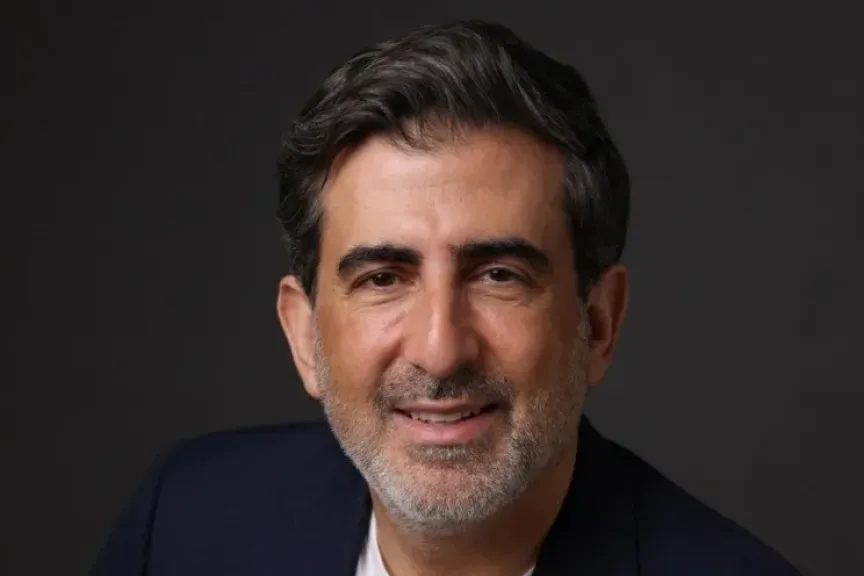
Entrepreneur Samer Choucair said Banque Misr’s plan to launch a real-estate investment fund targeting EGP 3 billion before the end of 2026 represents a strategic step reflecting an accelerating transformation in capital-allocation practices within Egypt’s banking sector.
The initiative focuses on property assets capable of generating stable and sustainable cash flows.
Choucair explained that the fund, which follows approvals from Egypt’s Financial Regulatory Authority, will invest in completed and leased office buildings in the Fifth Settlement area of eastern Cairo.
This strengthens the bank’s move toward building a portfolio of alternative investment instruments supported by recurring operating income, rather than relying primarily on deposits or short-term debt instruments.
He added that the initiative reflects a broader shift in the Egyptian market toward institutional investment in income-generating property assets, increasing the market’s appeal to investors seeking stable returns while interest rates remain relatively elevated.
Real-estate funds enter a new phase of growth
Samer Choucair noted that the fund is being launched as Egypt’s investment-fund sector experiences significant expansion, with net assets under management reaching approximately EGP 471 billion by the end of June 2026.
This growth has been supported by the introduction of new investment instruments and greater participation from both retail and institutional investors.
He added that the focus on leased office buildings is a direct response to continuing demand for modern workspace in eastern Cairo, driven by urban expansion and the development of the business environment.
Choucair emphasized that real-estate funds of this kind allow institutional investors to enter the property market with greater liquidity and improved risk diversification compared with direct asset ownership.
They also provide access to periodic cash distributions supported by existing lease agreements.
Egypt’s economy reshapes its investment instruments
Samer Choucair explained that Egypt’s economy is experiencing a gradual transformation in its savings and investment channels, as banks and financial institutions increasingly launch investment products backed by income-generating real assets.
He added that the new vehicle will be the third specialized fund launched by Banque Misr, following its first real-estate fund in 2022, which had initial capital of EGP 360 million and was established in partnership with Talaat Moustafa Group, as well as a hotel fund currently under development.
Choucair noted that the new fund plans to acquire completed and leased office assets in the Fifth Settlement in partnership with a property developer, helping generate regular cash flows for investors from the beginning of operations.
Growing confidence in the institutional property market
Samer Choucair emphasized that Egypt’s real-estate fund market has expanded rapidly, with the number of funds rising to four and their combined net assets approaching EGP 9 billion during the first quarter of 2026, compared with substantially lower levels at the end of the previous year.
He added that this growth reflects increasing investor confidence in the regulatory framework established by the Financial Regulatory Authority to encourage institutional investment and simplify the creation of real-estate funds.
Choucair explained that rising demand for office space in eastern Cairo is linked to the continued growth of new cities and public- and private-sector investment in infrastructure, supporting the stability of operating returns from these assets.
Capital allocation focuses on cash-flow quality
Samer Choucair said Egyptian banks’ move toward establishing specialized real-estate funds reflects a structural transformation in capital management across the banking sector.
He added that financial institutions are increasingly prioritizing assets that generate predictable cash flows amid interest-rate volatility and the need to improve the quality of recurring income.
Choucair noted that investing in pre-leased office buildings reduces occupancy risk and provides greater protection against inflation through rental contracts and mechanisms for periodically adjusting rental values.
He emphasized that these funds create an entry point into Egypt’s property market for new categories of investors, particularly pension funds, insurance companies, and Gulf investors, through a more regulated and transparent investment framework.
Choucair added that the success of these vehicles will depend primarily on the quality of the selected assets, the fund manager’s ability to maintain high occupancy rates, and efficient management of tenant relationships.
Deepening the capital market and attracting investment
Samer Choucair explained that the growth of real-estate funds contributes to deepening Egypt’s capital market by providing instruments that combine the benefits of property investment with the relative liquidity offered by fund units.
He added that this development coincides with growing regional investor interest in real assets across emerging markets offering higher yields than developed economies, while accounting for currency and monetary-policy risks.
Choucair noted that the success of Banque Misr’s fund could encourage other banks and financial institutions to accelerate the launch of similar vehicles, increasing competition for high-quality office assets in New Cairo and other promising locations.
Investment opportunities require careful risk management
Samer Choucair emphasized that the principal opportunity lies in continuing demand for modern office space in eastern Cairo as local and international companies seek advanced corporate premises.
He added that the fund’s structure, based on completed and leased assets, reduces development risk and provides returns resembling those of fixed-income instruments, while retaining the potential for capital gains from long-term asset appreciation.
However, several risks must be considered, including interest-rate volatility, the possibility of lower occupancy if economic activity slows, and exchange-rate exposure for foreign investors.
Choucair noted that the success of these funds will depend on a continuing supportive regulatory environment and their ability to attract a broad institutional investor base at launch.
He added that excessive concentration in a single geographic area could increase portfolio risk, calling for future diversification across office and commercial assets in different high-demand locations.
Strategic outlook
Concluding his remarks, Samer Choucair said the launch of funds of this kind represents an important step toward the institutionalization of property investment in Egypt, consistent with the development previously witnessed in other regional markets.
He added that continued growth in investment-fund assets, alongside the development of digital platforms for trading fund units, could move the market into a new phase of specialized issuances covering hotel, commercial, and office properties.
Choucair emphasized that investors focusing on operating quality, strong governance, and efficient fund management will be best positioned to benefit from this transformation.
Should demand for office space continue and the regulatory environment remain stable, the coming years could bring a significant increase in capital allocated to real-estate funds, improving market liquidity and creating new channels for transferring assets from property developers to institutional investors.
Samer Choucair concluded that the central challenge will remain balancing returns against risks while building a diversified investor base capable of supporting the sustainable growth of these instruments.
He said the Egyptian market is displaying clear signs of increasing maturity in alternative investment, making it worthy of close attention from institutional investors and sovereign wealth funds seeking long-term opportunities in emerging markets.