
Samer Choucair: HUMAIN–Al Nassr Partnership Introduces a New Capital-Allocation Model within the Vision 2030 Ecosystem
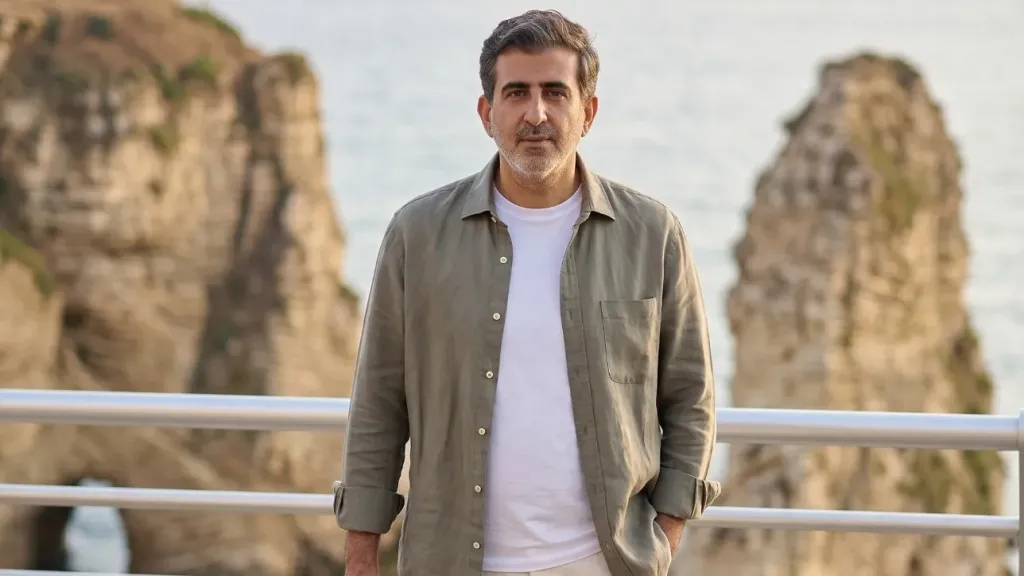
Entrepreneur Samer Choucair said the strategic partnership between Al Nassr Football Club and HUMAIN, a Public Investment Fund company specializing in integrated artificial intelligence technologies, represents a qualitative shift in how capital is allocated within major investment ecosystems.
He noted that the move extends beyond traditional sports sponsorship to establish an integrated model combining sport, technology, and data.
Samer Choucair explained that HUMAIN’s appointment as an official sponsor of Al Nassr for the 2026–2027 season, alongside its acquisition of the naming rights to the club’s new training centre, reflects a strategic effort to integrate sporting assets with technological capabilities to create new sources of commercial and operating value.
“This is not a traditional sports sponsorship, but a reallocation of assets within the same portfolio,” Samer Choucair said. “The Public Investment Fund is using one of its technology companies to support one of its sports clubs, reducing dependence on external liquidity and creating strategic overlap between two sectors that were previously viewed as separate.”
He added that the model represents an evolution in sovereign portfolio management, as partnerships between affiliated companies become instruments for improving operating efficiency and creating integration among priority sectors under the economic-transformation strategy.
A structural transformation in Saudi sports investment
Samer Choucair noted that Saudi Arabia’s sports sector is undergoing a structural transformation extending beyond expenditure on recruiting players to the development of integrated economic ecosystems combining commercial value with technological innovation.
He explained that the Al Nassr–HUMAIN partnership comes at a time that reflects the increasing maturity of the Public Investment Fund’s strategy for managing its diversified portfolio across sports and technology.
The fund owns a majority interest in the club, while HUMAIN represents one of its sovereign initiatives to develop advanced national capabilities in artificial intelligence.
Choucair emphasized that the current phase requires a balance between sporting ambition and financial discipline, particularly after significant investment and international player acquisitions increased operating costs across the Saudi Pro League in recent years.
“The partnership gives Al Nassr a dual pathway,” he said. “It can strengthen commercial revenue while using artificial intelligence to improve sporting and administrative performance, potentially increasing efficiency and reducing certain costs associated with injuries, performance analysis, and technical decision-making over the medium term.”
Artificial intelligence as a tool for revaluing sports assets
Samer Choucair explained that the transaction’s significance for institutional investors lies in its connection to two principal pillars of the Public Investment Fund’s strategy: artificial intelligence and sports and entertainment.
He noted that HUMAIN, launched in May 2025, is developing comprehensive artificial intelligence capabilities encompassing cloud infrastructure and advanced language models such as ALLAM, supporting Saudi Arabia’s ambition to become a global centre for the technology.
Choucair added that using a platform with the broad audience reach of Al Nassr gives HUMAIN an opportunity to deploy its technologies in a highly engaging environment.
This could enable practical applications of artificial intelligence in performance analysis, fan-experience development, and the conversion of data into economic value.
“In an environment where global interest rates remain relatively elevated, capital is seeking assets that combine stable cash flows with technology-driven growth potential,” Samer Choucair said. “Connecting a sports club with an artificial intelligence platform creates this type of hybrid asset, particularly if the initiative succeeds in transforming fan and performance data into commercially viable products.”
He added that successful models of this kind could create opportunities for similar partnerships in sectors such as tourism and entertainment, where technical capabilities could be integrated with property assets and major events to develop new investment platforms.
Financial sustainability and risk management
Samer Choucair noted that investors will continue monitoring the financial position of clubs associated with the Public Investment Fund, as financial obligations remain an important factor in evaluating the success of such partnerships.
He explained that reports indicating Al Nassr has liabilities exceeding SAR 800 million, alongside restrictions on new signings in the absence of sufficient self-generated revenue, make the expansion of commercial and technology-related income a strategic priority.
Choucair emphasized that the partnership with HUMAIN represents an important step toward revenue diversification, but does not eliminate the need for broader cost restructuring and improved operating efficiency.
He added that the Public Investment Fund’s position as the principal owner of both parties reduces the risk of conflicting interests and enables a higher level of strategic coordination than would be possible under a conventional sponsorship involving an external company.
Investment opportunities at the intersection of sport and the digital economy
Samer Choucair emphasized that the convergence of sport and artificial intelligence creates substantial investment opportunities, particularly in digital fan experiences, data analytics, and innovative revenue models.
He explained that using artificial intelligence to deliver personalized content to supporters and develop advanced sports analytics could increase the value of broadcasting rights and digital sponsorships while strengthening clubs’ commercial appeal.
Choucair noted that naming the new training centre after HUMAIN gives the company a long-term presence within the club’s ecosystem, transforming the sponsorship into a sustainable marketing asset rather than a temporary advertising arrangement.
He said the direction is consistent with Saudi Arabia’s efforts to attract foreign direct investment into advanced technology sectors, as successful domestic models could become scalable and transferable to other markets.
How investors assess Vision 2030-related assets
Samer Choucair explained that institutional investors are currently reassessing the nature of assets connected to Vision 2030.
Sports clubs are no longer classified solely as entertainment assets, but increasingly form part of broader ecosystems encompassing technology, data, and digital infrastructure.
“Institutional capital is no longer satisfied with viewing sports clubs as isolated entertainment assets,” Choucair said. “It evaluates them as part of a wider ecosystem incorporating technology, data, and infrastructure. Partnerships combining these elements are likely to receive higher valuations during future investment cycles, particularly as the transition toward a knowledge-based economy continues.”
He emphasized that the successful deployment of HUMAIN’s solutions within Al Nassr could accelerate the adoption of similar technologies by other clubs, creating a multiplier effect across the entire Saudi sports sector.
A strategic outlook
Samer Choucair noted that the next phase of investment in Saudi sport will place greater emphasis on generating measurable returns through technology rather than relying exclusively on substantial capital expenditure.
He explained that the HUMAIN–Al Nassr partnership represents a practical test of whether new investment models can successfully combine sporting assets with technological innovation to create sustainable economic value.
Choucair emphasized that institutional investors will monitor the club’s financial performance, adoption of technical solutions, and the partnership’s ability to improve operating efficiency and expand digital revenue streams.
“The success of this model could redefine how sports assets are valued across the region,” Samer Choucair concluded. “It would confirm that investment in sport is no longer determined solely by results on the pitch, but has become part of a broader ecosystem combining capital, technology, and data to create long-term economic value.”