
Rising Saudi Bank Profits Strengthen Confidence in the Economy: Samer Choucair Assesses Investor Opportunities in 2026
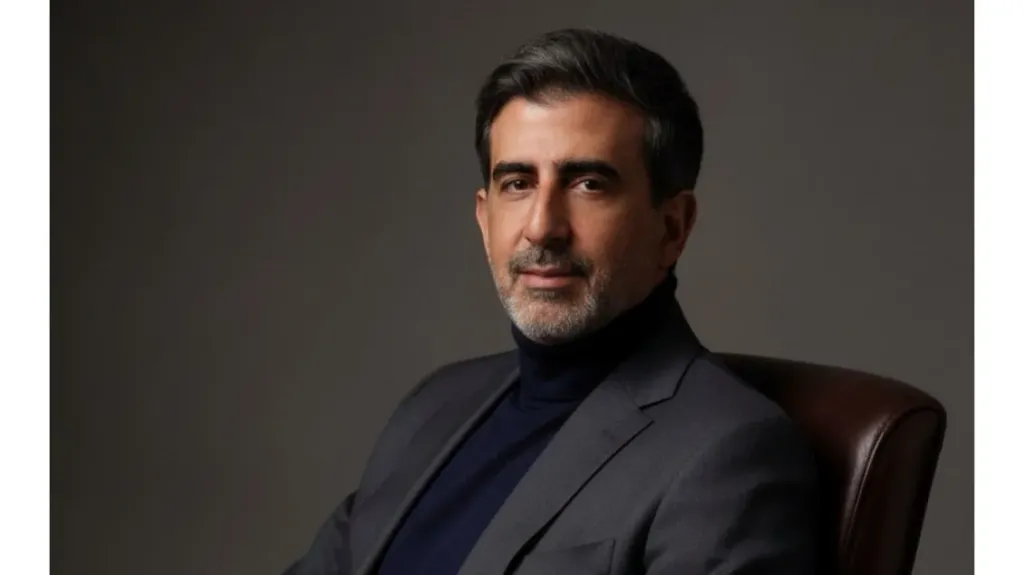
Entrepreneur Samer Choucair said Saudi-listed banks’ record quarterly profits of approximately SAR 24.9 billion in the second quarter of 2026, representing year-on-year growth of more than 8%, reflect the sector’s continuing ability to generate strong returns within an economy supported by Saudi Vision 2030 projects.
Choucair explained that the performance represents more than a set of quarterly financial results. It is a clear indicator of strong credit demand, improving net financing-income margins, and stable asset quality, making the banking sector one of the region’s most important destinations for institutional investment during the next phase.
He added that the results reflect a structural change in how capital is allocated across the Saudi economy, with investment increasingly directed toward productive non-oil activities leading economic growth.
Profit growth strengthens institutional investor confidence
Samer Choucair noted that Saudi banks’ second-quarter results confirmed the sector’s ability to achieve sustainable growth beyond short-term fluctuations in interest rates or lending activity.
He explained that the combined net profit of the ten banks listed on the Saudi Exchange, Tadawul, reached approximately SAR 24.87 billion, representing annual growth of 8.2%.
This strengthened the banking sector’s position as one of the most important generators of value for institutional investors and sovereign wealth funds.
Choucair added that Al Rajhi Bank led the sector with profits of SAR 7.01 billion, representing growth of 14%, followed by Saudi National Bank with net profit of SAR 6.61 billion, up 7.6%.
Every other listed bank also recorded positive growth, which he described as a strong message to global markets regarding the resilience of Saudi Arabia’s financial system and its ability to finance the continuing economic transformation.
Three factors drive exceptional performance
Samer Choucair emphasized that the Saudi banking sector continues to distinguish itself at a time when several advanced economies are experiencing slower growth and interest-rate volatility.
He explained that the performance is supported by three principal factors: continued government spending on infrastructure, tourism, and entertainment projects under Vision 2030; improved operating efficiency across banks; and stable asset quality, accompanied by a relative decline in provisions at most financial institutions.
“Institutional investors no longer focus solely on profit growth,” Samer Choucair said. “They increasingly assess the quality of that growth and how closely it is connected to the real economic cycle.”
He noted that Saudi banks offer a strong model by financing long-term projects rather than relying exclusively on short-term consumer lending.
The non-oil economy strengthens credit demand
Samer Choucair explained that the growth in bank profits coincided with the continued expansion of the Saudi economy, led by non-oil activity.
Financing, insurance, and business-service activities contributed to strong growth within gross domestic product, increasing credit demand from companies and small and medium-sized enterprises connected to Vision 2030 projects.
Choucair added that although certain segments of residential mortgage financing experienced a relative slowdown, banks were able to offset this through expansion in corporate financing and lending for major projects.
He noted that the total assets of listed banks reached approximately SAR 4.81 trillion by the end of the first half of the year, representing growth of nearly 7%.
Financing and deposit portfolios continued to expand, providing a strong capital base capable of supporting projects valued at hundreds of billions of dollars while maintaining average capital-adequacy ratios above 20%.
Investor assessments and capital-allocation trends
Samer Choucair said the second-quarter results provided strong support for the valuations of banking shares listed on Tadawul.
Al Rajhi Bank and Saudi National Bank together accounted for more than half of the sector’s combined profit, strengthening their positions within the portfolios of regional and international investment funds seeking high-quality emerging-market exposure.
Choucair added that smaller institutions, including Bank AlJazira, recorded growth rates exceeding 15%, creating selective opportunities for investors seeking shares with more attractive valuations.
He emphasized that capital allocation in the current phase should focus on banks combining strong balance sheets with the ability to finance priority Vision 2030 sectors, including tourism, renewable energy, logistics, and the digital economy.
Financial institutions capable of converting asset growth into sustainable improvements in return on equity will be the most attractive to long-term capital flows.
Different competitive positions create selective opportunities
Samer Choucair said the competitive landscape within the banking sector revealed clear differences in the sources of growth among institutions.
He explained that Al Rajhi Bank benefited from strong growth in net financing income, fees, and foreign-exchange income, supported by a broad retail customer base and high operating efficiency.
Saudi National Bank, meanwhile, focused on increasing operating income, with growth exceeding 11% in certain categories, while managing financing costs cautiously.
Choucair noted that Riyad Bank recorded more moderate growth because of higher provisions, while banks including Saudi Awwal Bank, Banque Saudi Fransi, and Arab National Bank achieved balanced growth supported by more diversified revenue sources.
He emphasized that these differences create opportunities for active investors to distinguish between banks with sustainable profit margins and those more exposed to funding-cost pressure or declining asset quality if economic growth slows.
Growth opportunities and potential risks
Samer Choucair identified continued demand for financing connected to Vision 2030 projects as one of the sector’s principal opportunities, alongside expansion in non-financing services such as wealth management, trade finance, and digital banking.
He added that any potential decline in global interest rates could revive demand for consumer and mortgage financing, supporting profitability over the medium term.
The principal risks, however, include a possible slowdown in credit growth if government spending weakens or major projects are affected by regional geopolitical developments.
Persistently high global funding costs could also place pressure on margins if banks are unable to reprice their assets quickly enough.
Choucair emphasized that strong capital-adequacy ratios and high asset quality remain among the sector’s most important sources of protection against these challenges.
The sector’s outlook through the end of 2026
Concluding his remarks, Samer Choucair said the Saudi banking sector is positioned to generate annual profits approaching or exceeding SAR 98 billion if current trends continue without material disruption.
He added that investing in Saudi banks is no longer merely a short-term bet on the interest-rate cycle. It has become an investment in the Saudi economy’s ability to convert substantial capital expenditure into sustainable productive growth.
Samer Choucair emphasized that banks successfully financing this economic transformation will remain central to the long-term capital-allocation strategies of institutional investors.
He expects the sector to continue strengthening its position as a major generator of returns and a destination for regional and international investment flows as Vision 2030 implementation advances and the Public Investment Fund expands its role in financing major projects.