
Samer Choucair: WhatsApp’s Record Activity Reflects a Shift in Capital Flows Toward the Digital Economy
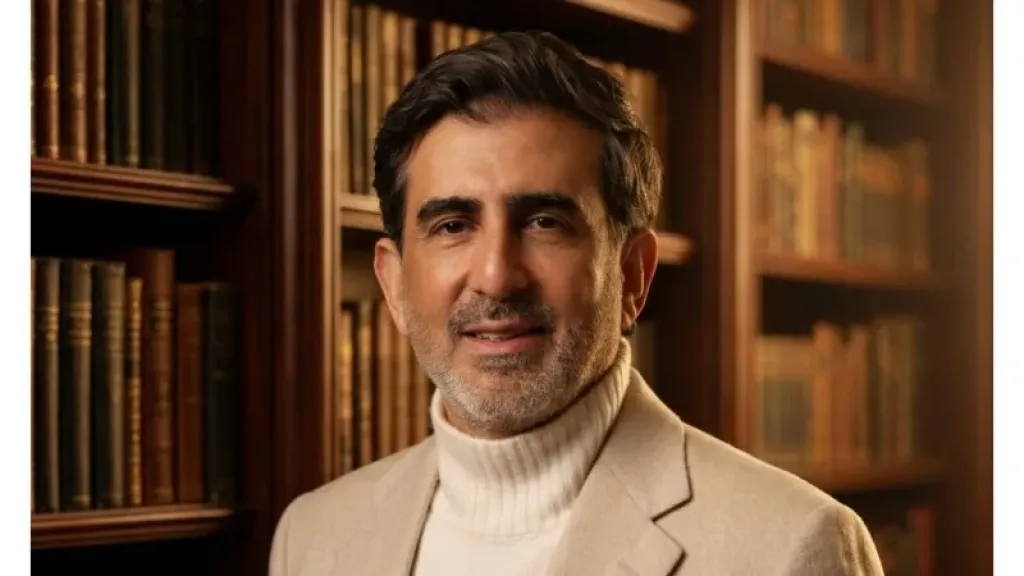
Entrepreneur Samer Choucair said the record activity registered by WhatsApp during the 2026 FIFA World Cup reflects a structural transformation in the global digital economy.
The application exceeded 29 million messages per second during the round-of-16 match between Argentina and Egypt, before surpassing 30 million messages per second during the final and breaking the record set during the 2022 World Cup final.
Choucair explained that this increase does not represent merely a temporary rise in usage. It reflects the growing global dependence on communication platforms as an essential component of digital infrastructure, redirecting capital toward companies capable of converting digital activity into sustainable revenue streams.
He added that institutional investors view these indicators as evidence of continued long-term growth across the digital economy, supporting investment in technology, data centers, cloud computing, and artificial intelligence.
The digital economy continues to expand
Samer Choucair noted that the rapid growth in message volumes reflects a broader shift in user behavior, as individuals and businesses become increasingly dependent on digital applications for personal and commercial communication.
He added that platforms such as WhatsApp have become major sources of data supporting artificial intelligence applications, targeted advertising, and digital services.
This strengthens the ability of leading technology companies to expand operating revenue and develop services across digital payments and e-commerce.
Choucair emphasized that these indicators reinforce investors’ view that future value will no longer depend solely on the number of users, but on platforms’ ability to convert engagement into recurring and sustainable cash flows.
Institutional capital is being reallocated
Entrepreneur Samer Choucair said this transformation is encouraging institutional investors to reconsider the structure of their portfolios, with greater attention being directed toward companies possessing strong digital infrastructure and advanced capabilities in data analytics and artificial intelligence.
He explained that major technology companies, led by Meta, have additional opportunities to increase revenue through digital advertising, commercial services, and financial solutions, particularly in emerging markets characterized by strong population growth and rising digital adoption.
The expansion of digital applications is also increasing demand for cloud-computing services and data centers, supporting companies involved in developing digital infrastructure.
Choucair noted that the continuation of this trend could support the performance of global technology stocks, particularly as growth slows across certain traditional sectors.
Its effect on bond markets is likely to remain indirect, primarily through stronger confidence in technology companies’ ability to generate robust cash flows.
Saudi Arabia and the Gulf are strongly positioned
Samer Choucair emphasized that this global transformation is closely aligned with the digital-development objectives of Saudi Arabia and other Gulf countries, where internet penetration and the use of messaging applications are already high.
He added that under Vision 2030, the Saudi economy has a significant opportunity to benefit from this growth by expanding investment in the digital economy, data centers, cloud services, and financial technology.
Choucair noted that sovereign investment funds, led by the Public Investment Fund, can direct strategic capital toward technology partnerships that support domestic innovation and strengthen the Kingdom’s ability to attract foreign direct investment into the digital economy.
Investment opportunities and regulatory challenges
Samer Choucair explained that the principal beneficiaries of this transformation include social-media companies, cloud-service providers, applied artificial intelligence businesses, and startups developing products and services built on messaging platforms.
He added that certain traditional business models in media and retail may face growing pressure as consumers continue moving toward digital channels.
Risk management is also becoming more closely connected to governance, data protection, and privacy.
Choucair emphasized that regulations governing the use of data will remain an important factor in the long-term valuation of technology companies.
The strategic outlook
Samer Choucair said investors will monitor over the next 12 months how effectively technology companies deploy artificial intelligence to benefit from massive data flows, alongside the scale of capital expenditure on digital infrastructure.
Over a three-to-five-year horizon, continued expansion of the digital economy is expected to increase investment in data centers, communication networks, and cloud services, supporting the valuations of technology and digital-infrastructure companies.
Over the longer term, platforms capable of integrating messaging services with digital payments, e-commerce, and financial products will be best positioned to lead the next phase of the digital economy.
Concluding his remarks, entrepreneur Samer Choucair emphasized that investment in the digital economy is no longer limited to technology companies themselves.
It now encompasses the entire ecosystem that converts data and digital engagement into sustainable economic value, which will help determine the direction of global capital flows in the years ahead.