
Samer Choucair: Defining the Conditions for Successful AI Initiatives Charts a Clearer Path for Capital Allocation in Saudi Arabia
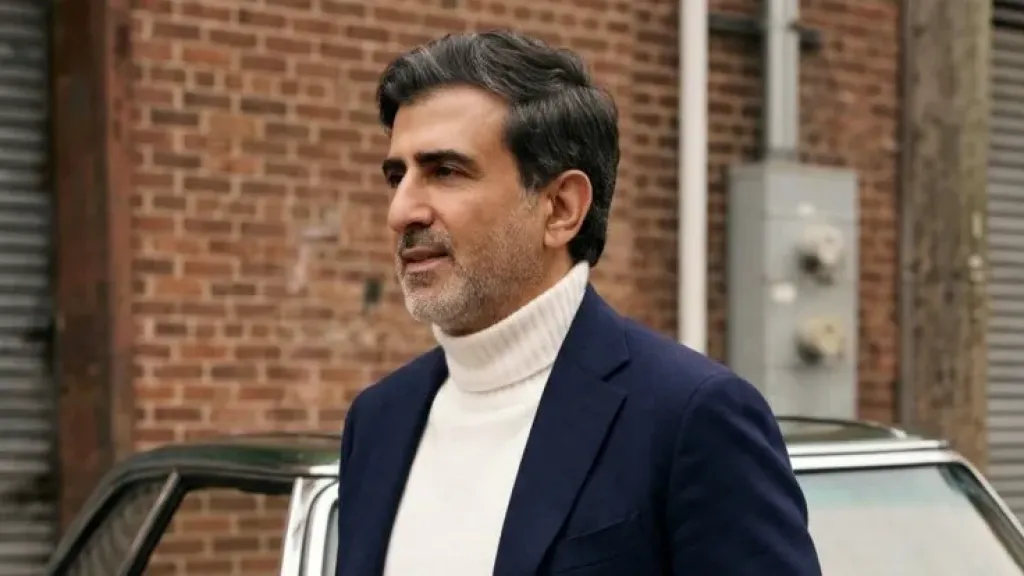
Entrepreneur Samer Choucair said the Saudi Minister of Communications and Information Technology’s identification of the essential conditions for successful artificial intelligence initiatives provides an important reference point for institutional investors.
He noted that defining computing capacity, capital, and a sustainable customer base as the three principal foundations of success creates a practical framework that reduces uncertainty and directs investment toward an integrated ecosystem capable of being measured and evaluated.
Samer Choucair explained that this clarity is expected to positively influence foreign direct investment and increase activity among sovereign wealth funds and private equity firms across digital infrastructure and advanced technologies.
Such investment would support the objectives of Saudi Vision 2030, including increasing the digital economy’s contribution to gross domestic product.
Choucair added that this development comes as global technology value chains undergo a significant transformation.
Data centers and advanced computing capabilities have become decisive factors in competition among countries and corporations.
Saudi Arabia’s focus on these three elements demonstrates a clear understanding of the conditions required to establish a successful national artificial intelligence ecosystem.
It also positions the Kingdom to attract strategic partnerships with global technology providers seeking alternative or complementary locations to their traditional operating centers.
Samer Choucair noted that this initiative forms part of Saudi Arabia’s long-term economic-diversification strategy, as artificial intelligence becomes an increasingly important instrument for raising productivity across non-oil sectors.
He emphasized that providing clarity regarding the conditions for success is essential for investors assessing regulatory and execution risks before allocating capital.
Without such a framework, institutional portfolios may hesitate to commit to major projects requiring lengthy investment cycles and substantial upfront expenditure.
Samer Choucair explained that developing advanced computing capacity, including highly efficient data centers and specialized servers, represents one of the greatest challenges facing countries seeking to compete in artificial intelligence.
This infrastructure requires substantial and sustained investment, together with reliable energy supplies and advanced telecommunications networks.
Choucair said computing capacity is no longer merely a technical resource.
It has become a strategic factor that will determine the competitiveness of economies over the next decade, making it a priority for portfolios seeking long-term exposure to structural growth.
He added that Saudi Arabia’s recognition of computing capacity as a fundamental requirement reflects its willingness to undertake the necessary capital expenditure.
This could create new partnership models with international companies specializing in cloud computing, data infrastructure, and artificial intelligence.
Entrepreneur Samer Choucair emphasized that access to sufficient capital for financing large-scale projects is one of Saudi Arabia’s most significant competitive advantages compared with many emerging markets.
The Kingdom’s ability to direct substantial sovereign investment toward digital infrastructure, while attracting private capital through partnership structures, gives it considerable flexibility to implement projects that other countries may avoid because of financing limitations.
Choucair added that capital provided by sovereign entities can serve as a powerful catalyst for private investment, provided that clear frameworks establish how risks and returns will be shared.
He noted that Saudi Arabia appears to be strengthening this foundation through its broader strategic direction.
Samer Choucair identified the customer base as the third pillar required to ensure the long-term sustainability of the artificial intelligence ecosystem.
He explained that the system cannot succeed without genuine and lasting demand for AI-powered solutions.
Creating this demand requires the development of national skills, higher levels of digital adoption across the public and private sectors, and practical applications in energy, financial services, healthcare, logistics, and other priority industries.
Choucair added that establishing a sustainable customer base must be accompanied by investment in human capital.
This will ensure that the economic benefits are broad and durable rather than being limited to importing technology without developing the local capabilities needed to sustain future growth.
Samer Choucair emphasized that the announcement sends a constructive signal to pension funds, hedge funds, private equity companies, and family offices.
It provides greater visibility into Saudi Arabia’s long-term strategic direction, which could increase interest in direct investments in data-center projects, specialized artificial intelligence funds, and future initial public offerings by Saudi technology companies as they reach more advanced stages of growth.
Choucair added that stronger computing capacity could also support the expansion of the telecommunications sector and create new opportunities for listed companies connected to digital infrastructure.
However, he stressed that investors must continue to assess the associated risks carefully.
Samer Choucair said institutional investors should monitor developments across global advanced-chip supply chains and confirm that Saudi projects have stable access to these critical components.
This is particularly important amid continuing geopolitical tensions and their potential impact on international supply chains.
Choucair explained that the next 12 months may bring announcements of new data-center projects and technology partnerships, potentially stimulating merger and acquisition activity across the sector.
Over the following three years, the effect of artificial intelligence on productivity across key economic sectors may become increasingly visible.
Over a longer horizon of five to ten years, Samer Choucair said disciplined implementation of the strategy could allow Saudi Arabia to consolidate its position as a regional artificial intelligence hub.
Achieving this objective will require maintaining a balance between infrastructure investment, the development of national talent, and the establishment of a supportive regulatory environment.
Concluding his remarks, entrepreneur Samer Choucair emphasized that institutional investors should continue monitoring the strategy’s implementation indicators while prioritizing opportunities that combine financial returns with the development of sustainable national capabilities.
He noted that the success of artificial intelligence initiatives should not be measured solely by the amount of capital invested.
Their true value will be determined by their ability to create genuine and sustainable economic benefits that strengthen the long-term competitiveness of the Saudi economy.