
Samer Choucair: Expanded Semaglutide Uses Strengthen Investment Appeal in Healthcare Platforms
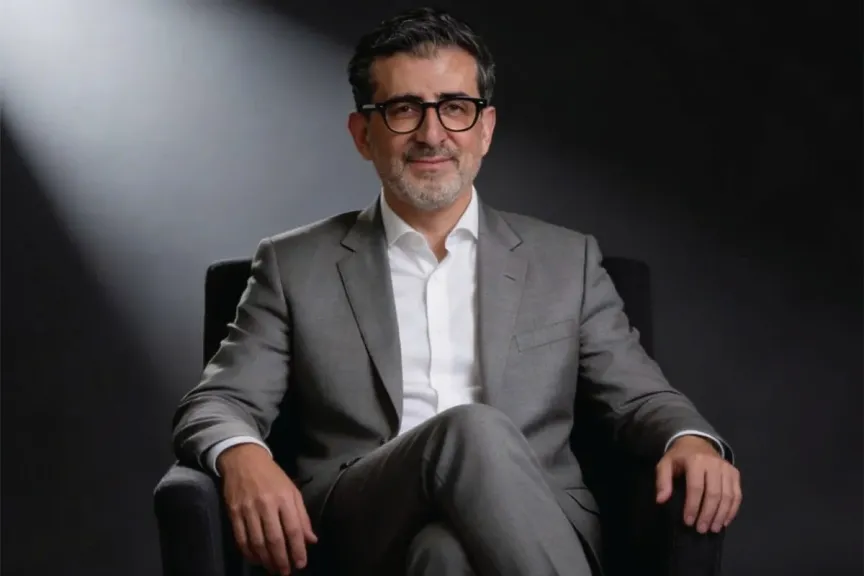
Investment entrepreneur Samer Choucair stated that new clinical data on semaglutide represents an important development in the metabolic healthcare sector, noting that positive results in treating metabolic dysfunction associated steatohepatitis, or MASH, strengthen the investment outlook for therapeutic platforms capable of addressing more than one disease pathway within a globally expanding health market.
Choucair explained that results from the Phase 2 clinical trial, published on July 15, 2026 in The Lancet Gastroenterology & Hepatology, showed that semaglutide achieved a statistically significant improvement in liver fibrosis among MASH patients at advanced stages, including those with compensated cirrhosis.
Samer Choucair noted that the trial, which included around 700 adults with biopsy confirmed MASH, provided important signals about semaglutide's ability to improve fibrosis without worsening inflammation when used as a standalone treatment, potentially opening the door to expanding the use of GLP-1 drugs beyond their current applications in diabetes and obesity.
Choucair affirmed that the significance of these results extends beyond patient treatment progress, reaching into a reassessment of investment opportunities across pharmaceutical value chains tied to metabolic diseases, particularly amid continued rising rates of obesity and type 2 diabetes globally and their growing impact on long term healthcare costs.
Samer Choucair explained that MASH has become one of the fastest growing causes of liver failure and transplantation, with estimates indicating that between 9 and 15 million adults in the United States are affected, making it a treatment market with high medical need and significant growth opportunities for companies capable of developing effective solutions.
He noted that treatments targeting liver complications tied to metabolic disease have become part of a broader economic equation involving improved quality of life, reduced health burdens, and higher workforce productivity, which explains institutional investor interest in these developments.
Samer Choucair said that clinical readouts of this kind reinforce the appeal of multi use therapeutic platforms for institutional portfolios seeking growth backed by structural fundamentals.
Choucair explained that the semaglutide trial carries particular significance given its inclusion of patients with advanced stages of fibrosis, a group not widely represented in many prior studies, providing new signals about the potential for direct intervention in disease progression.
Samer Choucair noted that current results offer an early indication of the GLP-1 mechanism's ability to influence the course of liver fibrosis, alongside the well known benefits of this drug class in regulating blood sugar levels and supporting weight loss.
Choucair affirmed that the results represent a positive read for therapeutic platforms belonging to companies with strong capabilities in metabolic disease, noting that any subsequent expansion in therapeutic indications could increase the addressable market size and support long term revenue growth sustainability.
He explained that these developments could reflect on the valuations of companies operating in the biopharmaceutical sector, with potential for additional interest from hedge funds and healthcare focused investors seeking opportunities backed by clear clinical catalysts.
Samer Choucair added that companies with multi use therapeutic platforms will be better positioned to attract long term capital, particularly in an investment environment that requires proving the economic value of new treatments, not just their clinical efficacy.
Choucair noted that sovereign wealth funds, pension funds and asset managers currently face complex decisions regarding exposure allocation within the healthcare sector, and that new clinical data in metabolic disease has become an important factor in evaluating future growth opportunities.
He explained that investors need to distinguish between early clinical signals and final regulatory approved outcomes, noting that success in early trials alone does not guarantee commercial access, and that regulatory stages and larger trials remain decisive factors in risk management.
Samer Choucair said that distinguishing between early clinical signals and final regulatory approved results remains a core element of risk management, and that periods of uncertainty often provide thoughtful entry points for portfolios with an extended investment horizon.
Choucair explained that Gulf countries, led by Saudi Arabia, hold particular interest in these developments given elevated rates of obesity and diabetes, key factors linked to the prevalence of MASH.
Samer Choucair noted that any progress in treating liver complications tied to metabolic disease aligns with the goals of Vision 2030 in improving quality of life, developing the health sector, and reducing the economic burden of chronic disease.
He added that these shifts could open opportunities for the region in distributing advanced treatments, forming research partnerships, and developing specialized infrastructure for metabolic disease care.
Samer Choucair affirmed that sovereign investment funds in the region can view these therapeutic innovations as opportunities to strengthen exposure to the global healthcare sector, supporting economic diversification goals, improving health outcomes, and reducing future costs tied to chronic disease.
Choucair explained that the coming period will see investors focus on any announcements regarding plans to develop the new therapeutic indication or conduct additional trials, with markets expected to continue evaluating these developments cautiously until more mature data emerges.
He noted that over a three to five year period, success in expanding the use of these treatments could reshape competition within the metabolic disease market, with the possibility of increased partnership, merger and acquisition activity to strengthen research and marketing capabilities.
Samer Choucair concluded his remarks by affirming that successful investment in the healthcare sector depends on a long term vision focused on treatments targeting the root causes of chronic diseases and their complications, noting that this category of innovation is capable of generating sustainable value for institutional portfolios able to navigate long term regulatory and clinical cycles.