
Samer Choucair: Egypt’s Central Bank Tightens Oversight of Sukuk Participation to Strengthen Financial Stability
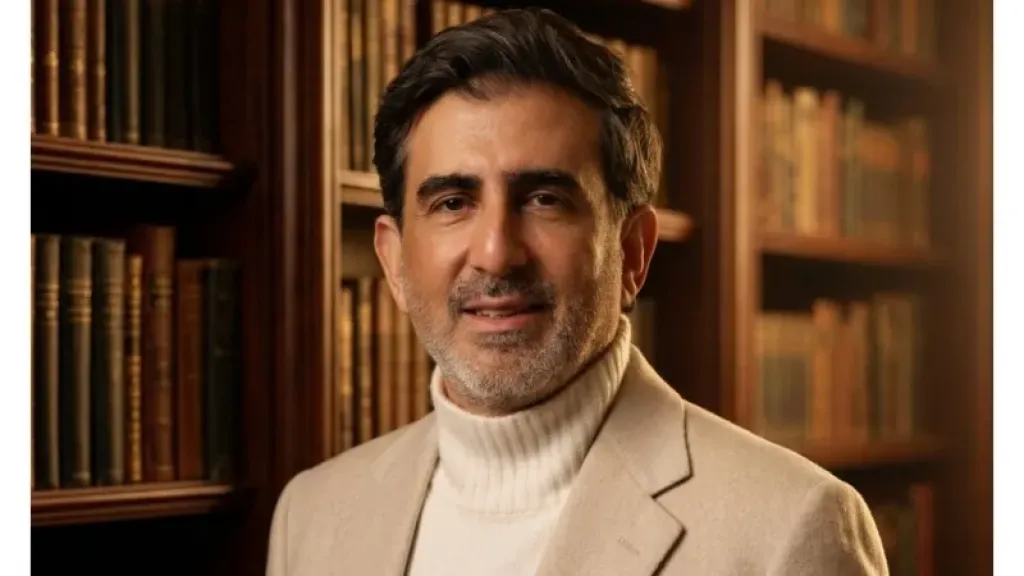
Investment expert Samer Choucair said that the Central Bank of Egypt’s new directive requiring all banks to obtain prior approval before participating in any sukuk issuance—whether sovereign or corporate—reflects a proactive approach aimed at strengthening financial stability and enhancing risk management amid the rapid expansion of Egypt’s sukuk market.
Choucair explained that the decision comes after significant progress in the Egyptian sukuk market. In October 2025, Egypt successfully issued a $1.5 billion international sovereign sukuk that attracted more than $9 billion in investor demand. This was followed in November 2025 by the country's first domestic sukuk issuance worth EGP 3 billion, which was oversubscribed by nearly five times.
He added that these developments demonstrate growing interest from both domestic and international investors in Islamic finance instruments, making it necessary to strengthen the regulatory framework to ensure sustainable and balanced market growth.
**The Central Bank Balances Growth and Oversight**
Samer Choucair noted that the new directive reflects the Central Bank of Egypt’s continued proactive supervision of non-bank financing instruments, following similar measures introduced in December 2025 that required prior approval for banks participating in securitization transactions.
He added that non-bank financing portfolios reached approximately EGP 417 billion by the end of 2025, highlighting the need for enhanced oversight as new financing tools continue to expand.
Choucair emphasized that Egypt remains committed to developing its sukuk market as a key pillar of financing diversification. During 2025, five additional sukuk issuances totaling EGP 20.7 billion were completed, alongside a sovereign international sukuk program valued at up to $5 billion, reinforcing the banking sector’s vital role in supporting these issuances.
**Direct Impact on the Banking Sector**
Choucair explained that the new regulations require banks to conduct more comprehensive risk assessments before participating in any sukuk issuance, strengthening governance and regulatory compliance, although this may temporarily reduce portfolio management flexibility.
He added that sukuk continue to provide competitive returns and valuable diversification opportunities in a high-interest-rate environment. However, stricter regulations could temporarily moderate domestic demand for certain issuances or require issuers to offer more attractive returns to investors.
Choucair noted that these changes may create greater opportunities for Islamic banks and non-bank financial institutions while potentially affecting the short-term performance of listed banking stocks due to expectations of lower investment income or underwriting fees related to sukuk.
He stressed that stronger regulatory oversight ultimately enhances asset quality and reduces risks associated with real estate and consumer financing, supporting the long-term stability of Egypt’s banking sector.
**Greater Opportunities for Gulf Investment Flows**
Samer Choucair said that requiring prior regulatory approval demonstrates the Central Bank of Egypt’s proactive strategy to safeguard financial stability during a critical stage in the development of Islamic finance instruments.
He explained that the move could encourage greater direct participation by Gulf investors in Egyptian sovereign sukuk, particularly from sovereign wealth funds and Islamic financial institutions across the Gulf Cooperation Council.
Choucair added that Egypt’s October 2025 sovereign sukuk issuance, which attracted more than $9 billion in demand, confirmed the continued attractiveness of Egyptian sukuk despite offering lower yields than some conventional debt instruments.
He noted that tighter banking regulations may encourage institutional investors to increase direct exposure to sukuk, strengthening financial integration between Egypt and Gulf markets while reducing dependence on domestic banks as primary investors.
**Supporting Macroeconomic Stability**
Choucair emphasized that the new measures form part of Egypt’s broader strategy to diversify public debt financing through local currency instruments, helping stabilize the exchange rate while reducing reliance on foreign currency borrowing.
He added that sukuk have become an increasingly important tool for financing development projects and sustainable investments while attracting Islamic liquidity from regional and international markets.
According to Choucair, ongoing economic reforms and cooperation with the International Monetary Fund make maintaining strong credit quality and banking sector resilience a top priority. Linking bank participation in sukuk to enhanced risk assessments demonstrates growing awareness of preventing excessive risk accumulation during a period of continuing economic challenges.
**Short-Term Challenges, Long-Term Opportunities**
Choucair acknowledged that the new approval process may initially delay certain sukuk issuances if regulatory reviews require additional time. It may also temporarily reduce domestic market depth and affect valuations of some listed banking shares.
However, he emphasized that these short-term challenges are outweighed by significant long-term opportunities, including increased attractiveness of Egyptian sukuk to international and Gulf investors, development of a more transparent and mature secondary market, and expanding opportunities for specialized Islamic finance, green sukuk, and sustainable investment funds.
"This development could encourage Gulf investors and sovereign wealth funds to increase their direct exposure to Egyptian sukuk, strengthening strategic capital flows and opening broader avenues for financial cooperation between Egypt and the Gulf region," Choucair said.
**Strategic Outlook for Investors**
Samer Choucair advised institutional investors and asset managers to closely monitor upcoming sukuk issuances, particularly those requiring Central Bank approval, to assess how the new regulations influence pricing efficiency and investor demand.
He noted that Egypt’s sovereign sukuk program has consistently demonstrated its ability to attract strong domestic and international interest and is expected to remain a cornerstone of public debt management and development financing in the years ahead.
Choucair added that continued global demand for Islamic finance instruments will further support the growth of Egypt’s sukuk market. He encouraged investors to diversify their portfolios by including direct exposure to sovereign sukuk while monitoring monetary policy developments and ongoing economic reforms.
"Institutional investors should closely follow how these regulations are implemented, as upcoming issuances will determine whether the market continues expanding sustainably or experiences a temporary slowdown. In either case, quality and transparency will remain the true foundation for delivering stable long-term returns," he said.
**Building a Stronger Sukuk Market**
Samer Choucair concluded by emphasizing that the Central Bank of Egypt’s latest measures should not be viewed as restrictions on the sukuk market but rather as regulatory steps designed to build a stronger and more sustainable financial ecosystem.
He added that successfully balancing financial innovation with prudent oversight will strengthen investor confidence, reinforce Egypt’s position as one of the leading Islamic finance markets in the Middle East and North Africa, and create attractive long-term investment opportunities for financial institutions and sovereign wealth funds.