
Samer Choucair: Saudi Inflation at 1.8% Opens a New Window for Investors
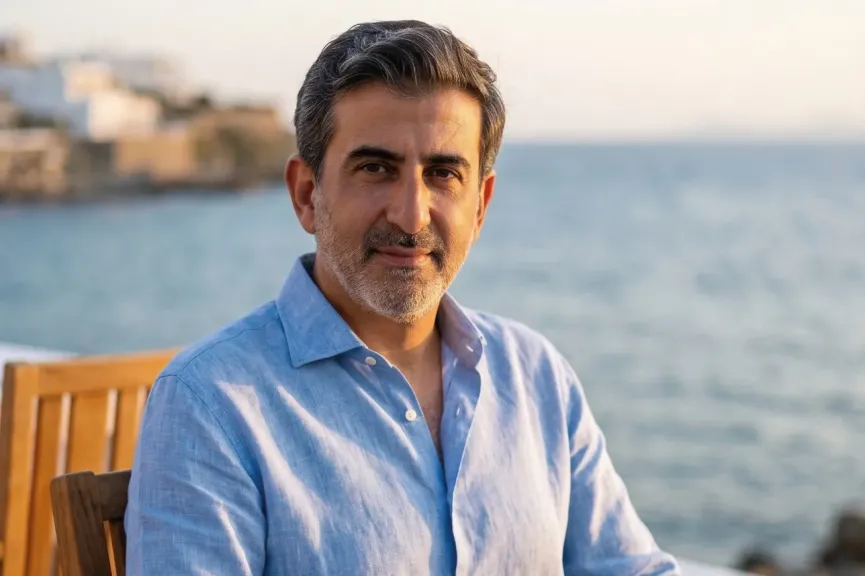
Investment leader Samer Choucair said Saudi Arabia’s inflation rate holding at 1.8% in July 2026 reflects the economy’s ability to absorb external cost pressures without a broad pass through into domestic prices.
Samer Choucair added that this does not mean inflation risks have disappeared, particularly as pressures linked to transportation and supply chains remain present.
He explained that consumer price index data showed annual inflation at 1.8% in July, while prices increased by 0.2% from the previous month.
Housing, water, electricity, gas, and fuel were the main drivers, rising by 4.2%, followed by food and beverages at 1.5% and transportation at 1.4%.
Samer Choucair said the current inflation reading remains below the International Monetary Fund’s forecast for average inflation of 2.2% in 2026.
The IMF expects Saudi economic growth of 1.7% this year before accelerating to 5.5% in 2027, while the non oil economy is projected to expand by 2.6% in 2026 and 4.5% in 2027.
Samer Choucair said monetary policy remains a key factor in investment decisions, with the Saudi Central Bank’s repo rate standing at 4.25% since December 2025.
With inflation below 2%, these levels create a relatively supportive environment for Saudi riyal denominated fixed income assets, although Saudi monetary policy remains closely linked to the US dollar cycle.
Choucair added that lower inflation gives institutional investors greater room to focus on productive assets rather than relying excessively on hedges against the erosion of purchasing power.
He identified infrastructure, logistics, housing, financial services, and industries linked to domestic supply chains as areas that could attract greater attention.
Samer Choucair said the scale of the Public Investment Fund, with assets under management of approximately SAR 3.4 trillion at the end of 2025, strengthens Saudi Arabia’s capacity to continue financing economic transformation.
He added that the Fund’s 2026 to 2030 strategy places greater emphasis on maximizing asset value, sustainable returns, and investment discipline.
Samer Choucair said: “Low inflation does not mean every asset has become attractive. Smart investors look for companies that can protect their margins against rising transportation and supply costs, and for assets that generate stable and growing cash flows.”
Samer Choucair concluded that price stability gives the Saudi economy important room to continue implementing Vision 2030 projects.
He added that the quality of capital allocation will ultimately depend on whether companies and projects can generate genuine operating returns rather than simply benefiting from lower inflation.