
Samer Choucair: Leadership Changes at PIF Companies Signal the End of the “Build-Out Era” and the Beginning of Return Accountability
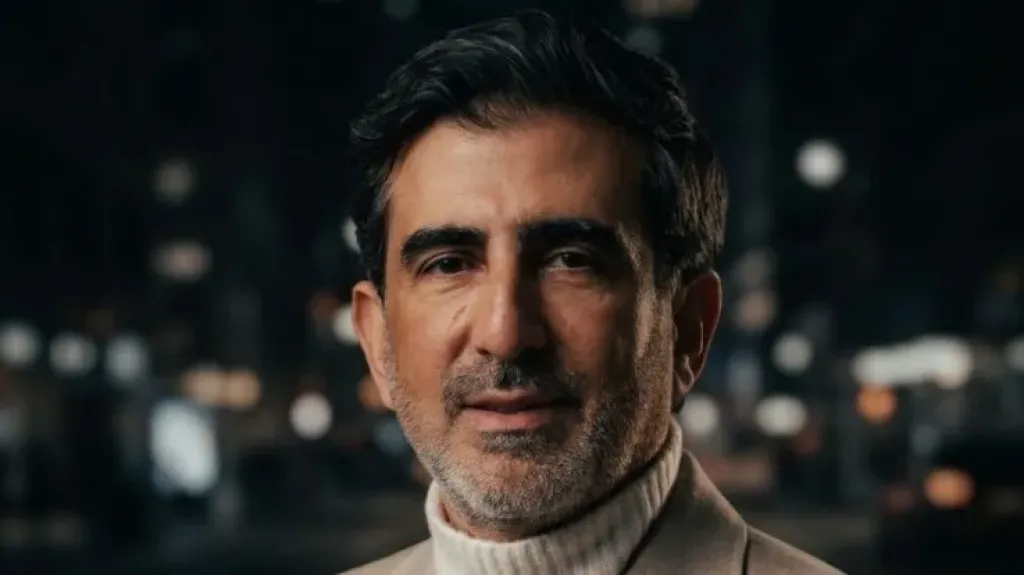
Investment leader Samer Choucair said the leadership changes seen across several Public Investment Fund companies in 2026 should not be viewed as isolated management reshuffles. Instead, they should be understood within the broader transformation of PIF’s strategy from an era of expansion and project creation toward a phase focused on value realization, capital efficiency, and strengthening portfolio companies’ ability to attract private financing and strategic partnerships.
Choucair said the sheer scale of the fund makes management efficiency a direct investment consideration. PIF’s assets under management exceeded SAR 3.4 trillion in 2025, while revenues increased 9% to approximately SAR 450 billion and net profit more than doubled to over SAR 65 billion. At the same time, the fund reported an annualized total shareholder return of 5.8% since 2017 in its latest annual report.
Samer Choucair noted that PIF’s 2026–2030 strategy places greater emphasis on maximizing risk-adjusted financial returns, improving investment efficiency, unlocking the value of strategic assets, and expanding private-sector participation. The strategy also organizes investments across three principal portfolios: Vision, Strategic Investments, and Financial Investments.
According to Choucair, this transition fundamentally changes how portfolio companies should be evaluated.
“During the build-out phase, the question was: can we build the project?” Choucair said. “In the value-realization phase, the question becomes: can the project generate a measurable return and attract capital from outside the sovereign ecosystem?”
He added that the numbers demonstrate both the expanding scale of PIF’s investment platform and its capacity to finance Saudi Arabia’s economic transformation. Between 2021 and 2025, the fund’s cumulative investment in new domestic projects exceeded SAR 750 billion, while its contribution to real non-oil GDP surpassed SAR 1.286 trillion over the same period.
Choucair said leadership changes across major portfolio companies can therefore become an instrument of capital reallocation, particularly as businesses move from asset construction and development into operations and cash-flow generation.
The success of the next phase, he argued, will increasingly be measured by whether companies can control costs, improve productivity, attract strategic partners, and diversify their funding sources rather than simply by how much capital they deploy.
“Sovereign capital can launch projects, but sustainable value emerges when companies can stand on a more independent commercial foundation, attract private investors, and demonstrate that they can generate returns appropriate to the risks being taken,” Samer Choucair said.
This represents an important shift in the investment logic surrounding Saudi Arabia’s transformation. The first stage required scale, speed, infrastructure creation, and substantial sovereign capital. The next stage will increasingly require commercial discipline, stronger governance, operational execution, and demonstrable returns on invested capital.
Samer Choucair concluded that Saudi Arabia’s investment trajectory through 2030 is entering a more selective phase, in which operating performance, governance, and capital efficiency will become decisive factors in determining which companies can evolve from sovereign-backed projects into mature investment assets capable of competing on a global scale.