
Samer Choucair: World Liberty Trust Charter Opens a New Door for Institutional Capital in Stablecoins
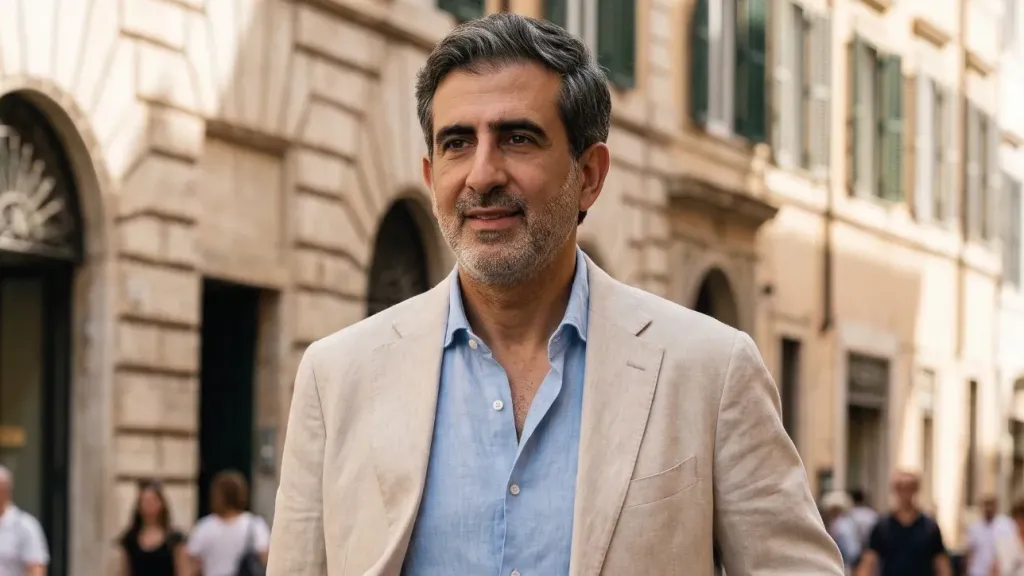
Investment leader Samer Choucair believes the conditional preliminary approval granted by the U.S. Office of the Comptroller of the Currency (OCC) to World Liberty Trust Company for a national trust bank charter represents an important development in integrating digital assets into the regulated financial system. At the same time, he said it requires investors to consider governance and political risks alongside technological and market risks.
According to the OCC’s records, World Liberty Trust Company applied for the charter on January 6, 2026, and received conditional preliminary approval in August. This means the entity still has to satisfy additional requirements and obtain final approval. If the process is completed, the bank will be able to conduct trust, custody, and digital-asset management activities, including managing the USD1 stablecoin, but it will not operate as a traditional commercial bank taking deposits or issuing loans.
Choucair said: “The investment significance of this decision lies not in a single company, but in the broader signal that stablecoins are moving from the margins of the financial sector into a clearer federal regulatory framework. This transition could reduce counterparty risk and increase the ability of digital-asset infrastructure to attract institutional capital.”
The market capitalization of the USD1 stablecoin has exceeded $4 billion, making the decision directly relevant to the infrastructure supporting custody, settlement, and management of dollar-denominated digital reserves. The development also comes as the OCC works to implement the stablecoin regulatory framework under the GENIUS Act, including requirements covering reserves, risk management, reporting, and supervision.
Choucair noted that the project’s connection to President Donald Trump’s family adds another layer of political and governance risk. According to disclosures published by World Liberty Financial, an entity associated with Trump and certain members of his family holds approximately 38% of WLF Holdco, alongside economic rights linked to platform revenues and WLFI token sales.
Choucair emphasized: “Regulatory approval does not eliminate political risk. Institutional investors will assign a higher premium to entities that can clearly separate operational management from political interests and demonstrate their ability to maintain regulatory compliance across different political cycles.”
He believes the greatest opportunities will emerge in digital-asset infrastructure, institutional custody, settlement and cross-border payments, and cybersecurity—provided these businesses maintain robust compliance frameworks.
Choucair concluded: “Long-term capital will flow toward digital assets that combine innovation with regulatory discipline, rather than projects that depend on political or speculative momentum.”