
Samer Choucair: Trump’s Decision to Reduce Exercises with South Korea Reprices Risks in Asia
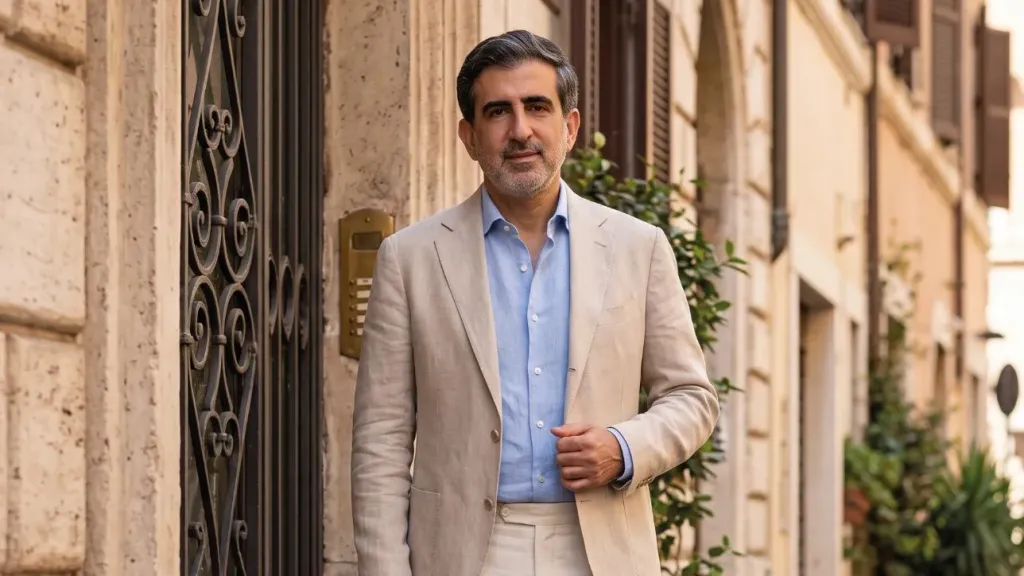
Investment strategist Samer Choucair believes President Donald Trump’s decision to direct the U.S. Department of Defense to significantly reduce American participation in joint military exercises with South Korea represents a development that extends beyond the military sphere, becoming a new factor in the reassessment of geopolitical risks and capital allocation across Asia.
The decision came ahead of the Ulchi Freedom Shield exercises, scheduled for August 17–27, in which approximately 18,000 South Korean troops are expected to participate alongside U.S. forces and personnel from the United Nations Command. Trump did not specify the scale of the reduction, but cited the rising cost of the exercises and what he described as the inappropriate and hostile signal they send to North Korea. He also pointed to his relationship with North Korean leader Kim Jong Un and expressed frustration with South Korea’s position regarding U.S. efforts involving Iran.
“The institutional investor does not view this decision as an isolated military development, but as a signal capable of repricing the risk premium on the Korean Peninsula. Reducing the scale of military exercises could lower the immediate risk of escalation, but at the same time it introduces greater uncertainty regarding the future of the U.S. commitment to traditional security arrangements in Asia,” Choucair said.
Geopolitical Risk Becomes a Capital-Allocation Variable
Choucair believes the market impact will not be uniform. A sustained improvement in relations between Washington and Pyongyang could strengthen investor appetite for Korean assets, while continued missile tests or a perceived weakening of deterrence could push the regional risk premium higher.
South Korean semiconductor companies and broader Asian supply chains, he said, deserve particular attention because of South Korea’s strategic importance to the global economy.
The country occupies a critical position in semiconductor manufacturing, advanced technology, electronics, and industrial supply chains. As a result, changes in the perceived security environment can affect not only defense-related assets, but also the cost of capital, investment decisions, inventory strategies, insurance costs, and the geographic distribution of future manufacturing capacity.
Diversification Becomes More Important
Choucair believes sovereign wealth funds and asset managers should avoid investment decisions based on a single geopolitical scenario.
Instead, portfolios should be built around resilience, with geographic and sector diversification across areas including semiconductors, advanced manufacturing, logistics, and energy.
For institutional investors, the objective is therefore not necessarily to exit markets exposed to geopolitical uncertainty, but to understand how changes in the security environment can alter valuations and capital requirements.
A reduction in military exercises, for example, could be interpreted positively if it reflects genuine diplomatic progress. But if markets instead interpret it as evidence of weakening security commitments, the resulting increase in uncertainty could affect asset prices even before any disruption occurs in the real economy.
Supply Chains Create Both Risks and Opportunities
Choucair argues that the broader investment implications extend beyond the Korean Peninsula.
Global companies are increasingly redesigning supply chains to reduce geographic concentration and improve resilience. This creates opportunities for countries and companies capable of providing alternative manufacturing locations, logistics infrastructure, energy capacity, data centers, and specialized industrial inputs.
For investors, this means geopolitical developments can create winners even when they increase overall uncertainty.
Companies positioned to benefit from the diversification of Asian supply chains may attract capital as businesses seek to balance efficiency and cost against security and resilience.
“In the 2026 environment, geopolitics has become a fundamental part of the capital-allocation equation. Opportunities will not exist only in markets where risks decline, but also in companies capable of benefiting from the reshaping of global supply chains. Portfolios therefore need to combine exposure to structural-growth sectors with the ability to reallocate capital quickly as security and political conditions change,” Choucair concluded.