
Samer Choucair: Geopolitical Risks Are Reshaping the Investment Map for Energy and Security
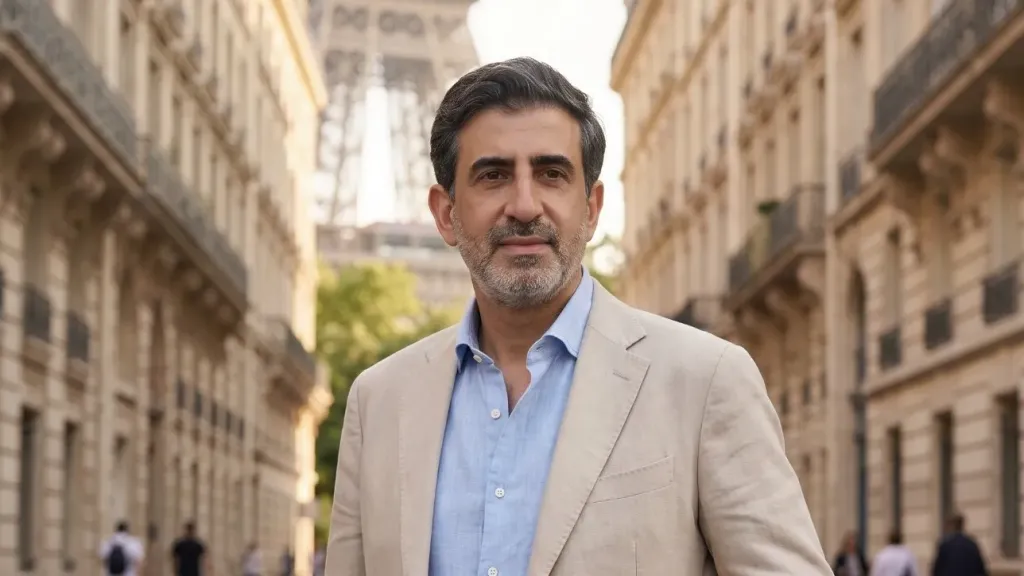
Investment strategist Samer Choucair believes that escalating U.S.-Iranian tensions and repeated disruptions to shipping through the Strait of Hormuz are reshaping investors’ priorities and risk-management strategies in energy markets.
The strait, through which roughly one-fifth of global oil and gas flows passes, experienced a sharp decline in vessel traffic during August, keeping the geopolitical risk premium elevated.
Choucair noted that oil prices have clearly reflected these risks. Brent crude surpassed $100 per barrel in July and reached approximately $126 during the conflict before falling to around $89 per barrel on August 17, amid continued uncertainty over negotiations and shipping activity.
Samer Choucair said:
> “Institutional investors no longer view geopolitical risk as a temporary event. They are increasingly placing the ability of assets and supply chains to withstand prolonged shocks at the center of their investment decisions. This is directing capital toward sectors that combine protection against volatility with the ability to create long-term value.”
Alternative Infrastructure Gains Importance in the Gulf
In the Gulf, Choucair believes alternative infrastructure is becoming increasingly important.
He pointed to the Saudi East-West Pipeline, which can transport up to 7 million barrels per day to the Red Sea, providing an alternative route that reduces reliance on the Strait of Hormuz.
Choucair emphasized that Saudi Arabia’s economic diversification strategy provides an important foundation for this shift, particularly as the Public Investment Fund’s 2026–2030 strategy focuses on advanced industries, logistics, clean and renewable energy, and artificial intelligence, while also seeking to enhance risk-adjusted returns.
Capital Allocation Shifts Toward Resilience
Choucair said:
> “Smart capital allocation in the next phase will not be based on waiting for tensions to end, but on building portfolios capable of operating efficiently in an environment dominated by uncertainty.”
He expects resilient energy, security and related technologies, infrastructure, and logistics to become increasingly important, alongside diversification sectors capable of reducing exposure to supply-chain risks.
Choucair concluded that current geopolitical shifts, despite the risks they create, also represent an opportunity to redirect capital toward economies and sectors with a greater capacity to absorb shocks.
Resilience, he emphasized, is likely to become one of the most important criteria for institutional investment in the years ahead.