
Samer Choucair: Rising North Coast Prices Are Redrawing Egypt’s Real Estate Asset Allocation Map
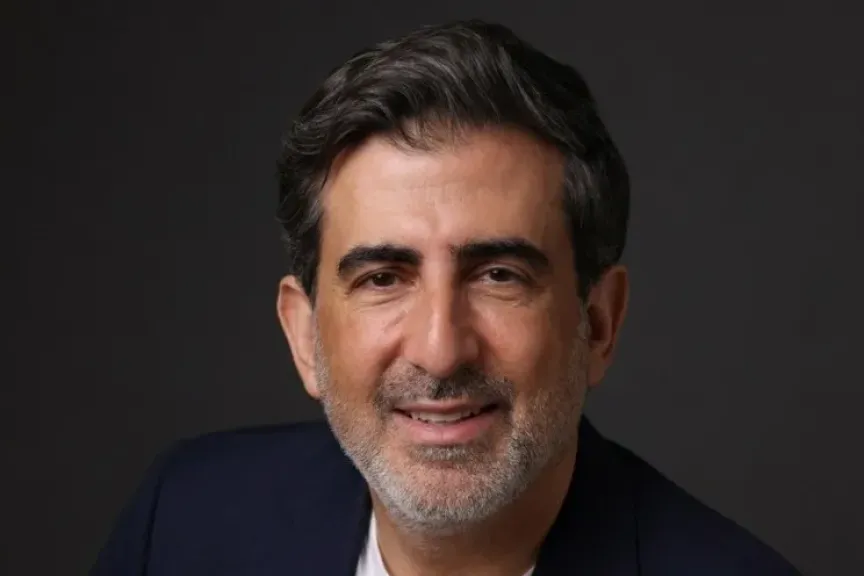
Investment leader Samer Choucair emphasized that the record surge in luxury real estate prices on Egypt’s North Coast—with the price per square meter in some beachfront developments approaching EGP 1 million, and the value of some villas reaching around EGP 800 million—reflects a structural shift in the nature of demand for coastal real estate and is redrawing the map of real estate investment in Egypt and the wider region.
Choucair explained that current price increases cannot be attributed solely to a temporary seasonal movement. Rather, they result from the interaction of several economic and investment factors, foremost among them the scarcity of land and premium beachfront locations, rising construction costs, Gulf capital inflows, improved infrastructure, and investors’ growing tendency to view real estate as a store of value amid inflation and currency volatility.
> “We are witnessing a structural repricing of a scarce asset class. The scarcity of premium beachfront locations, combined with improved infrastructure and the region’s connection to road and airport networks, is transforming these developments from consumption-oriented assets into investment assets with characteristics similar to luxury real estate in more mature markets.”
Choucair noted that the North Coast has undergone a transformation in recent years, evolving from a traditional summer destination into an investment hub supported by major developments such as Ras El Hekma and New Alamein, which has affected both price levels and domestic and international demand.
He explained that the price surge is linked to a series of accumulated economic factors, including successive devaluations of the Egyptian pound since 2022, which pushed savers and investors toward assets capable of preserving value, particularly real estate priced in Egyptian pounds and payable through long-term installment plans.
Choucair added that higher construction, materials, and energy costs increased development expenses for major developers by approximately 20% to 25% over the past year, which has been reflected in final selling prices, alongside the limited availability of land in the most desirable coastal locations.
He pointed to external demand as another factor reshaping the market, particularly growing interest from Gulf investors in Egyptian coastal developments, driven by strategic projects and major investments in areas such as Ras El Hekma, New Alamein, and Alam El Roum.
Choucair said that the entry of Gulf capital into Egypt’s coastal real estate market is reshaping the demand structure, as local buyers are no longer the sole force driving the market. Regional investors increasingly view Egyptian coastal real estate as an opportunity to diversify portfolios and benefit from population and tourism growth in the Arab world’s largest country by population. He stressed that this shift increases the importance of institutional analysis of the market, particularly with regard to currency, liquidity, regulatory, and capital-cycle risks.
> “Capital allocation here requires a precise reading of the liquidity cycle. Capital gains are currently high, but secondary-market liquidity remains limited compared with markets such as Dubai or Riyadh. This requires discipline in position sizes and investment horizons.”
Choucair explained that rising prices do not mean that all coastal developments carry the same level of risk. Investors must distinguish between projects with strategic locations and direct beachfront access and those that depend more heavily on short-term speculation or seasonal demand.
He added that real estate developers have recently adjusted the nature of the products they offer in response to rising prices and the need to preserve purchasing power. Smaller units now represent a larger share of new launches, while payment periods have been extended to an average of seven or eight years.
According to Choucair, these changes reflect an attempt to balance maintaining per-square-meter prices and profit margins with preserving cash flows and buyers’ purchasing power.
He noted that this shift will be important for institutional investors because higher year-round occupancy would improve asset utilization and increase the likelihood of generating sustainable operating revenues, rather than relying solely on resale price appreciation.
Choucair also warned that an excessive focus on the luxury segment could narrow the pool of potential buyers over the medium term, particularly if prices become disconnected from income levels and financing capacity in the domestic market.
> “A smart institutional investor does not buy the North Coast as a single asset class. They distinguish between projects with direct beachfront access and financially strong developers, and those dependent on short-term speculation. Governance, execution quality, and delivery plans have become essential risk criteria no less important than location.”
Choucair stressed that developer quality and financial strength have become among the most important determinants of risk in the market, particularly given rising execution costs and extended payment periods. A developer’s ability to complete projects on schedule and provide the necessary services and infrastructure is an essential component of an asset’s investment value.
He noted that the Egyptian market offers regional investors exposure to tourism and leisure real estate in a large market, with growth opportunities linked to population expansion, tourism growth, and infrastructure development.
At the same time, Choucair emphasized the need to treat currency, regulatory, and liquidity risks as fundamental elements of any investment decision, particularly for institutional investors comparing markets on a risk-adjusted return basis.
He believes investors aligned with Gulf economic diversification strategies may find opportunities in Egypt’s coastal real estate market, provided they conduct careful assessments of price levels, the liquidity cycle, asset quality, and developer strength.
Medium-Term Outlook
Looking ahead, Choucair expects prices in the luxury segment to continue rising over the medium term, supported by limited supply and continued investment inflows, although the rate of increase is expected to moderate compared with the powerful market rally seen between 2023 and 2025.
He noted that the market could experience greater differentiation among developments, with assets combining prime locations, integrated services, high-quality execution, and the ability to attract year-round occupancy outperforming others.
This differentiation, he said, will make investors more selective. Rising prices across the market as a whole will not necessarily translate into comparable appreciation across all projects.
> “Egyptian coastal real estate is no longer simply a local growth story. It has become part of regional capital-allocation equations. Success will favor those who treat it as a long-term strategic asset rather than a seasonal speculative opportunity.”
Choucair explained that this approach means institutional investors should assess coastal real estate through an integrated framework covering location, developer quality, delivery timing, actual demand, potential revenues, secondary-market liquidity, financing costs, and currency risks, rather than relying solely on expectations of further price appreciation.
He noted that the ongoing transformation of the North Coast could redraw Egypt’s real estate investment map, particularly as major developments expand, infrastructure improves, hotel investment increases, and interest from Gulf investors grows.
Choucair added that the transformation of certain coastal areas into destinations capable of attracting residents and visitors throughout the year could represent a turning point in asset valuation, gradually shifting them from a seasonal real estate model toward real estate assets with continuous use and utilization.
He emphasized that the success of this transformation will depend on developers, the government, and investors completing infrastructure and services, improving transportation, strengthening the hospitality sector, and creating economic activities that extend beyond the summer season.
Choucair concluded that the sharp increase in North Coast property prices represents a significant investment opportunity, but it also demands a higher degree of discipline in capital allocation, particularly after the substantial price increases witnessed over the past several years.