
Samer Choucair Warns: Trillions in the “Great Wealth Transfer” Could Evaporate Before Reaching the Next Generation
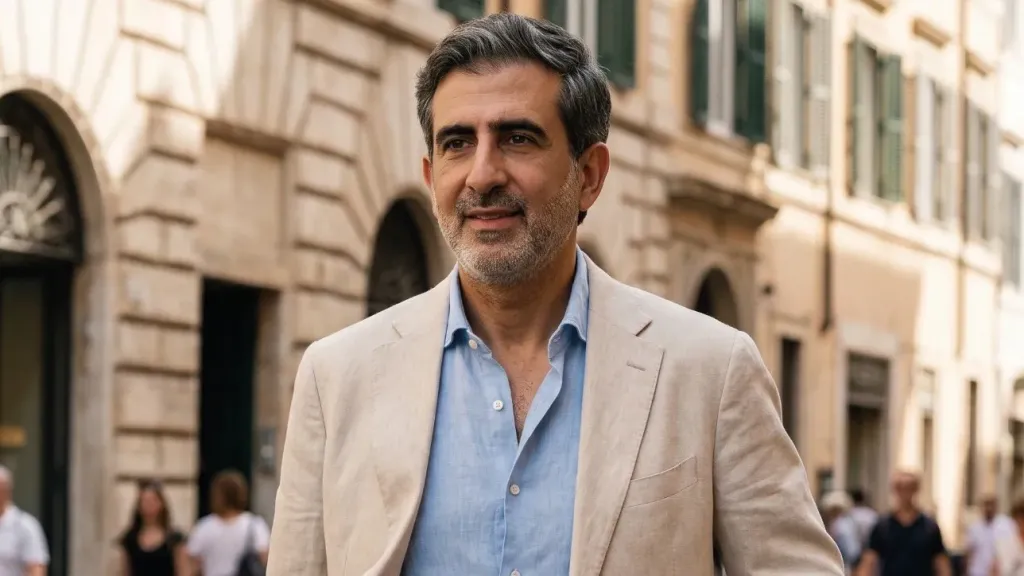
Investment leader Samer Choucair warned that the so-called “Great Wealth Transfer” should not be treated as a guaranteed flow of cash to younger generations, noting that the gap between the stated value of assets and the wealth that will actually reach heirs requires a reassessment of capital allocation and family wealth management strategies.
Choucair explained that estimates by Cerulli Associates project approximately $124 trillion in wealth transfers in the United States through 2048, including around $105 trillion to heirs and approximately $18 trillion to charitable organizations.
Nearly $100 trillion is expected to be transferred from Baby Boomers and older generations. Cerulli estimates that Millennials will receive approximately $46 trillion, while Generation X is expected to receive around $39 trillion over the same period.
Choucair noted that a more recent study by Visa presents a more conservative picture. It estimates that Baby Boomers hold approximately $93 trillion in assets, but only around $36 trillion is expected to reach Gen X and Millennial heirs over the next two decades after accounting for liabilities, retirement spending, taxes, fees, and charitable giving, and excluding the wealthiest 1% of households.
The study also estimates that only around $8 trillion of this wealth may translate into additional consumer spending, because most beneficiaries already have relatively high levels of wealth and are more likely to save or invest rather than significantly increase consumption.
«“The investment mistake is to view the $124 trillion figure as cash readily available for consumption or investment,” Choucair said. “The actual value transferred between generations will depend on longevity, retirement spending, debt, taxes, the nature of the assets, and the timing of the transfer.”»
Wealth Concentration Is a Critical Factor
Choucair emphasized that wealth concentration is another decisive factor.
Cerulli expects more than half of total transfers—approximately $62 trillion—to come from very-high-net-worth households, which represent only around 2% of households.
Its estimates also suggest that approximately $54 trillion will initially be transferred between spouses before a portion of that wealth is subsequently passed on to younger generations.
Choucair said this concentration means that the headline size of the Great Wealth Transfer can be misleading when assessing its broader economic impact.
The timing of transfers is equally important. Wealth held by older generations may remain invested for years or decades, while healthcare costs, long-term care, retirement spending, taxes, and other obligations can materially reduce the amount ultimately inherited.
Demographics Create New Investment Opportunities
Samer Choucair said demographic change will create investment opportunities across healthcare, long-term care, wealth management, and estate planning, alongside changing preferences among younger investors.
He added that family offices and institutional investors in the Gulf should incorporate scenarios involving longevity, aging-related costs, and changing behavior among younger generations into their capital-allocation models.
Investment strategies, he argued, should not be built on the assumption that inherited wealth will arrive at its nominal headline value.
Instead, investors need to consider how wealth will be preserved, consumed, taxed, transferred, and ultimately redeployed across generations.
The Great Wealth Transfer Is a Capital Reallocation Event
Samer Choucair concluded that the Great Wealth Transfer is more than a simple transfer of assets.
«“The Great Wealth Transfer is not merely an asset transfer; it is a restructuring of the relationship between capital and generations,” Choucair said. “The winners will not necessarily be those who inherit the most, but those who have the ability to manage capital and reallocate it efficiently through a new demographic cycle.”»
In Choucair’s view, the headline trillions associated with the wealth transfer should therefore be viewed as a potential pool of capital rather than guaranteed liquidity—with the ultimate economic impact determined by how effectively the next generation manages and redeploys the wealth it actually receives.