
Samer Choucair: The Turmoil of 2026 Is Repricing Risk and Reshaping Global Capital Flows
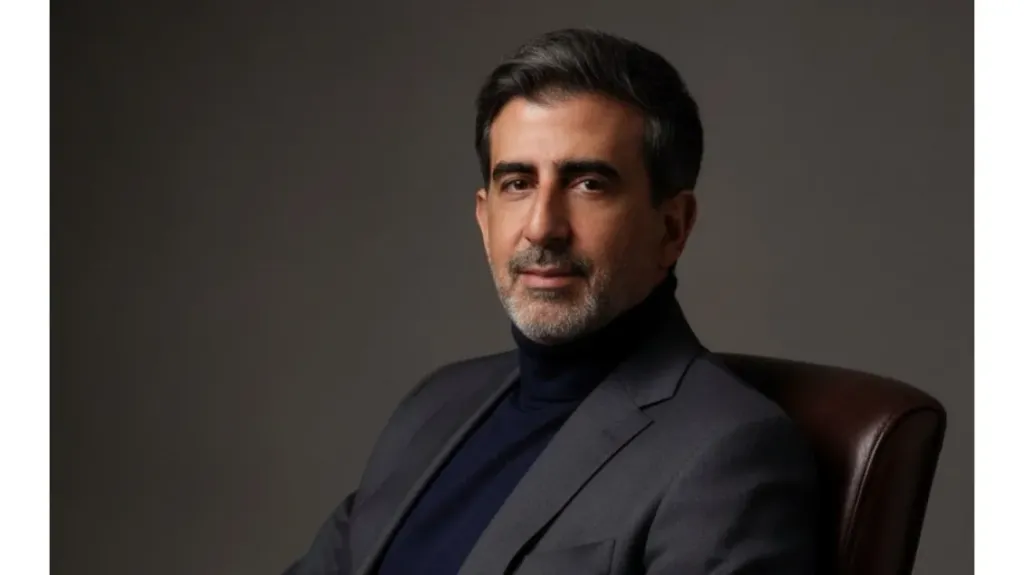
Entrepreneur Samer Choucair said the rapid geopolitical and trade developments of 2026 are forcing a broad reassessment of investment risk and global capital flows, noting that institutional investors can no longer treat energy, trade, and politics as separate issues after geopolitical shocks began transmitting rapidly into inflation, supply chains, and financing costs.
Choucair noted that disruption in the Middle East and risks to navigation through the Strait of Hormuz have returned energy to the centre of global pricing dynamics.
Brent crude experienced sharp increases at the height of the conflict before retreating as de-escalation efforts and negotiations progressed, demonstrating how sensitive geopolitical risk premiums have become to political developments.
This is particularly significant given the Strait of Hormuz’s importance as a major transit route for global oil and gas trade.
Samer Choucair said: “Institutional investors cannot build long-term portfolios on the assumption that geopolitical shocks are temporary. Resilience itself must be priced as an investment asset through diversification of energy sources, trade routes, and supply chains.”
On trade, Choucair noted that new US tariffs came into force on July 24 on imports from 60 trading partners, with rates ranging from 10% to 12.5%.
He said the measures increase the likelihood of further supply-chain restructuring and higher costs for certain products and inputs.
Estimates from the Tax Foundation indicate that tariffs imposed in 2026 amount to an effective tax increase of approximately $900 per year for the average US household, although the impact varies according to consumption patterns.
Choucair said tariffs are no longer merely negotiating instruments. They have become structural variables influencing corporate decisions about production locations, inventories, and direct investment, encouraging investors to assign greater weight to markets with a stronger capacity to absorb shocks.
Samer Choucair noted that Saudi Arabia possesses important elements of this resilience, particularly following the restoration of the East-West Pipeline to its full capacity of approximately seven million barrels per day, with export capacity through Yanbu reaching around five million barrels per day and providing an alternative route to the Strait of Hormuz.
He added that the diversification strategy under Saudi Vision 2030 has become even more important in this environment, with capital continuing to flow into logistics, manufacturing, technology, tourism, energy, and infrastructure, reducing dependence on any single source of growth.
Choucair emphasized that the next phase will reward economies and companies possessing genuine resilience rather than simply high growth rates.
He stressed the importance of combining geographic and financial diversification with investment in infrastructure and alternative supply chains.
Concluding his remarks, Samer Choucair said capital allocation in 2026 and beyond should begin with an assessment of an asset’s or economy’s ability to withstand shocks originating from energy, trade, and politics.
He emphasized that geopolitical risk management has become an integral part of generating returns rather than a secondary cost of investing.