
Gold Jumps 4.4% as Bond Yields Fall, While Samer Choucair Assesses the Shift in Institutional Investment
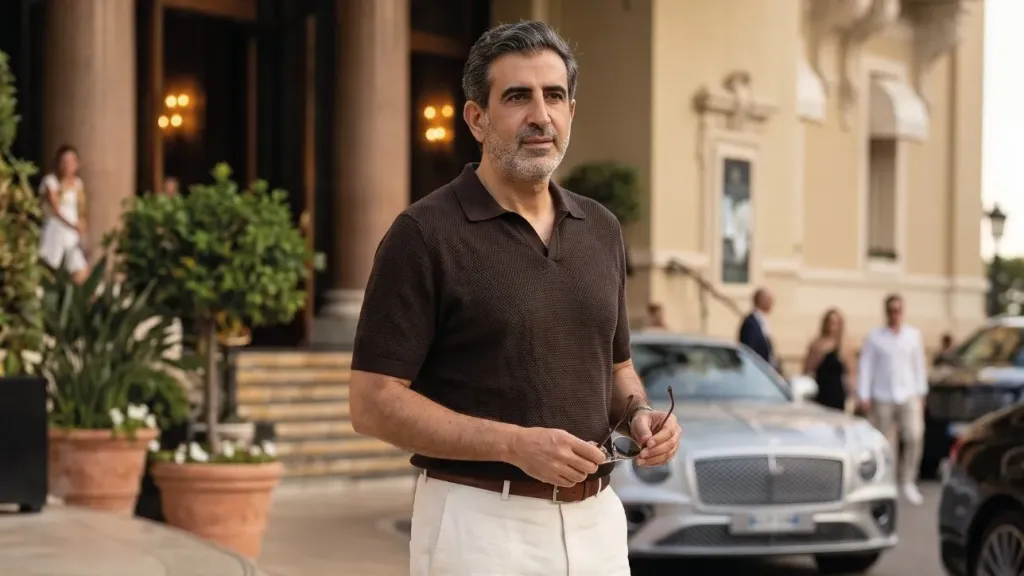
Entrepreneur Samer Choucair said gold’s strong rally, its largest since February, reflects a shift in how markets are viewing safe-haven assets after falling US Treasury yields and a weaker dollar prompted institutional capital to reposition across investment portfolios.
Choucair explained that the precious metal rose by approximately 4.4% to above $4,250 per ounce, its highest level since mid-June, as markets began reassessing the outlook for US monetary policy amid easing energy-related inflationary pressures.
He added that this development places sovereign wealth funds and asset managers at the beginning of a new phase of reassessing gold’s weighting within 2026 portfolios, particularly as central banks continue increasing their holdings of the metal and expectations of aggressive monetary tightening diminish.
Falling yields and a weaker dollar support gold
Samer Choucair noted that Wednesday’s session saw the US 10-year Treasury yield decline toward its lowest level in around a week, while the dollar fell to its weakest level in approximately six weeks.
He explained that these moves were driven by lower oil prices following positive signals from US-Iranian negotiations concerning the reopening of the Strait of Hormuz.
This eased energy-related inflation concerns and reduced market expectations for an interest-rate increase at the Federal Reserve’s next meeting.
Choucair added that gold had come under selling pressure of more than 20% from its record high of almost $5,600 per ounce since the outbreak of the conflict in late February.
Higher energy prices had pushed markets to reprice the monetary-policy outlook toward greater tightening, raising the opportunity cost of holding non-yielding assets.
He emphasized that the easing of these pressures restored gold’s appeal, particularly after the metal broke above its 50-day moving average, which became a technical support level near $4,160 per ounce.
Risk repricing strengthens gold’s position
Samer Choucair explained that the current move represents more than a short-term technical rebound.
It reflects the beginning of a new phase in the repricing of risk across global markets.
He added that lower real yields have restored gold to its traditional role as a strategic hedging asset, particularly while geopolitical uncertainty remains elevated despite signs of de-escalation.
Choucair noted that institutional investors who reduced their exposure to gold during recent months now have an opportunity to rebuild positions at levels that are more attractive than the historic peak recorded in January.
Central banks continue to support prices
Samer Choucair emphasized that central banks remain one of the most important structural drivers of the gold market.
He explained that official purchases remained elevated during the second quarter, with net buying exceeding 50 tonnes in June alone, led by Poland, China, and Uzbekistan.
Choucair added that this continuing trend reflects efforts by many emerging economies to diversify their reserves away from the dollar, providing fundamental support for gold prices even during periods of short-term volatility.
Gold strengthens diversification strategies in the Gulf
Samer Choucair noted that gold is becoming increasingly important within Gulf economic-diversification strategies as Saudi Vision 2030 continues to advance.
He explained that although oil remains a principal source of sovereign revenue, gold has become an effective hedge against energy-price volatility and imported inflation risks.
Choucair added that sovereign wealth funds in the region, led by Saudi Arabia’s Public Investment Fund, increasingly regard gold as part of a broader real-assets portfolio supporting long-term financial stability during economic transformation.
He also noted that consumer demand in Saudi Arabia for gold bars and coins recorded noticeable growth during the first half of the year, reflecting a gradual shift among individual investors toward direct gold investment rather than relying solely on jewellery.
Capital flows reshape portfolio weightings
Samer Choucair explained that the current market move creates several potential pathways for institutional investors.
Gold-backed exchange-traded funds could attract fresh inflows as interest-rate pressures ease.
He added that the traditional inverse relationship between gold and real yields remains intact, meaning that any further weakness in US employment or inflation data could provide additional support for the metal.
Choucair emphasized that continued progress in US-Iranian negotiations could lead to further declines in oil prices, strengthening the appeal of longer-duration assets, including gold.
Risks remain
Samer Choucair noted that risks have not disappeared entirely.
Any breakdown in negotiations or renewed regional escalation could push oil prices back toward inflationary levels, increasing expectations of continued monetary tightening and placing renewed pressure on gold.
He added that comments from some Federal Reserve officials, who continue to emphasize the fight against inflation and the importance of maintaining the 2% target, remain an important source of caution for markets.
Investment outlook
Concluding his remarks, Samer Choucair emphasized that markets are currently moving through a transitional phase in the asset cycle.
Investors focused only on short-term price movements may miss an important structural opportunity.
He added that in 2026, gold is no longer merely a crisis-driven safe haven.
It has become a central risk-management instrument within portfolios seeking to balance returns with protection, particularly in economies undertaking broad diversification programmes.
Choucair noted the importance of incorporating gold into wider investment strategies that also include infrastructure, renewable energy, and technology, in line with the objectives of Saudi Vision 2030.
He emphasized that asset managers will continue monitoring US economic data, particularly the non-farm payrolls report, to assess the likely path of monetary policy during the coming months.
At the same time, official central-bank demand and investment demand across emerging markets will remain among the strongest sources of support for gold prices.
Samer Choucair concluded that institutional investors now face two strategic options: treat the current rally as a tactical opportunity to realize profits, or view it as the beginning of a phase in which long-term hedging positions are rebuilt.
He emphasized that gold continues to strengthen its position as one of the most important capital-allocation instruments in investment portfolios during 2026.