
Samer Choucair: Saudi Fiscal Resilience Strengthens Investor Confidence Despite Geopolitical Volatility
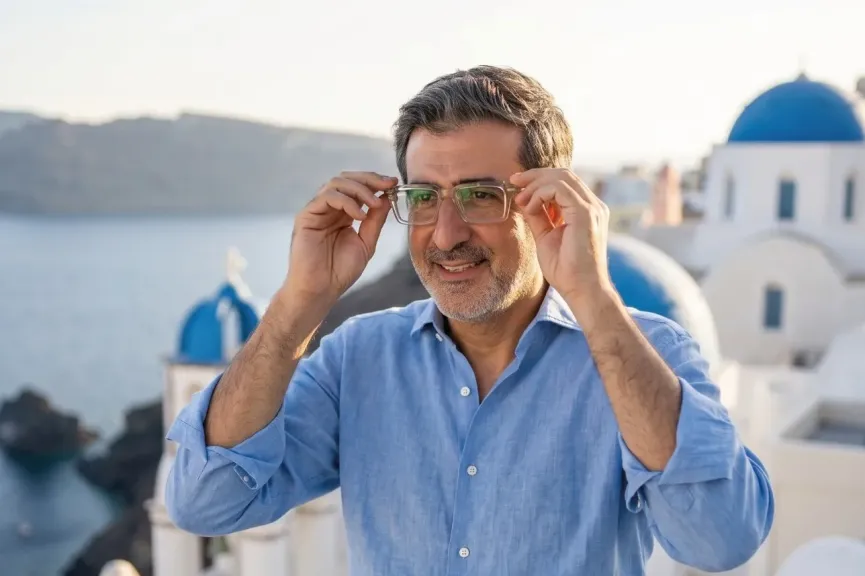
Entrepreneur Samer Choucair said Saudi Arabia’s public-finance results for the second quarter of 2026 demonstrate the economy’s ability to navigate geopolitical developments efficiently.
He noted that the budget deficit declined to approximately SAR 34.3 billion compared with the first quarter, despite the challenges facing the oil sector, strengthening institutional-investor confidence in the sustainability of the Kingdom’s fiscal policy.
Choucair explained that government revenue reached approximately SAR 338.8 billion during the second quarter, supported by an increase in oil revenue to SAR 185.1 billion.
Non-oil revenue totalled SAR 153.7 billion, representing approximately 45% of overall revenue and reflecting continued progress in diversifying income sources and reducing dependence on oil.
Samer Choucair noted that government expenditure reached approximately SAR 373 billion, with continued allocations to healthcare, education, infrastructure, and defence.
This confirms the Kingdom’s commitment to advancing the objectives of Vision 2030, even amid a complex economic and geopolitical environment.
He added that financing the first-half deficit through debt instruments, without drawing on government reserves that remained close to SAR 399 billion, reflects disciplined fiscal management.
Public debt also remains below 35% of gross domestic product, a relatively comfortable level compared with many global economies.
Choucair emphasized that Saudi Arabia’s ability to preserve revenue flows despite weaker oil activity resulted from the development of logistics infrastructure and greater supply-chain flexibility.
These improvements supported the continuity of exports and reduced the effect of regional disruption on public finances.
Samer Choucair said institutional investors assess more than the size of a deficit or surplus.
They focus on a country’s ability to manage risk while maintaining sustainable expenditure and investment, noting that the Saudi experience provides an advanced model for balancing economic-growth support with fiscal discipline.
He added that continued growth in non-oil revenue, combined with the flexibility of government financing instruments, strengthens the appeal of Saudi assets across equities, debt instruments, and projects connected to Vision 2030.
This is particularly important as economic-diversification programmes and private-sector partnerships continue to advance.
Concluding his remarks, Samer Choucair emphasized that the second-quarter results for 2026 send a clear message to global markets that Saudi Arabia possesses a fiscal policy capable of absorbing shocks and sustaining economic growth.
He said this supports long-term capital-allocation decisions and reinforces the Kingdom’s position as a leading investment destination in the region.