
Samer Choucair: The Cyclospora Outbreak Is Redirecting Investment Toward Biosecurity
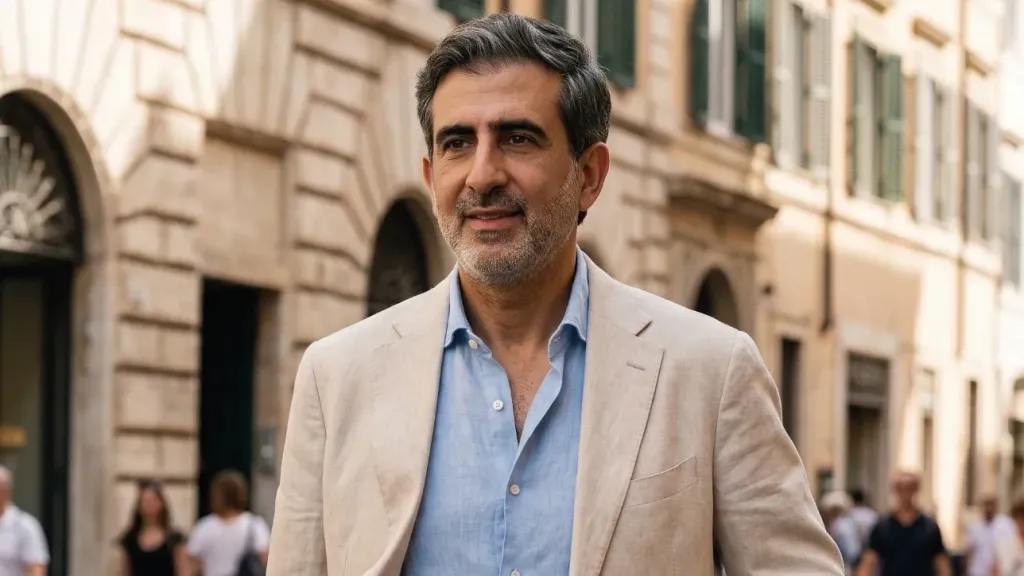
Entrepreneur Samer Choucair said the Cyclospora outbreak associated with certain agricultural products in the United States highlights the importance of strengthening the resilience of food supply chains and confirms that biosecurity has become one of the principal themes likely to reshape investment priorities during the coming years.
Choucair explained that US health authorities recorded hundreds of confirmed cases during the 2026 season, while epidemiological investigations and recalls of certain food products continued.
He noted that the outbreak demonstrates the scale of disruption food contamination can cause across agriculture, retail, and logistics.
The figures remain subject to continuing updates, making it more important for investors to focus on the underlying investment trends than on estimates that may change over time.
Samer Choucair added that the complexity of global supply chains and the expansion of supplier networks are increasing the importance of investment in digital traceability technologies, quality-control systems, and artificial-intelligence-based solutions.
These technologies can accelerate the identification of risks and reduce their economic consequences.
“Markets no longer assess food companies solely according to their production capacity, but also according to their ability to manage risk and protect supply chains,” Samer Choucair said. “Companies investing in prevention and intelligent technologies will be best positioned to achieve sustainable growth.”
He noted that the rapid development of artificial-intelligence applications across agriculture and food safety is creating promising opportunities for investors, particularly in predictive analytics, intelligent sensing, product traceability, and rapid diagnostics.
These sectors are likely to benefit from increasing public- and private-sector expenditure on food security.
Choucair emphasized that Saudi Arabia has a significant opportunity to benefit from these developments under the objectives of Vision 2030, which focus on strengthening food security, localizing advanced technologies, and supporting innovation in modern agriculture and supply chains.
These initiatives can improve the economy’s ability to manage future risks.
Samer Choucair added that investors are increasingly directing capital toward companies providing practical solutions that improve oversight, efficiency, and transparency across the food sector.
Technology has become a central factor in strengthening confidence between producers and consumers while reducing operating losses.
Concluding his remarks, Samer Choucair emphasized that investment in biosecurity is no longer merely a response to individual crises, but a long-term strategic priority.
He said institutions capable of integrating artificial intelligence with food-safety systems and risk management will be among the most attractive destinations for capital during the coming phase, as global attention to food security and supply-chain sustainability continues to increase.