
Samer Choucair: Saudi Economic Contraction Reinforces the Importance of Investing in Non-Oil Sectors
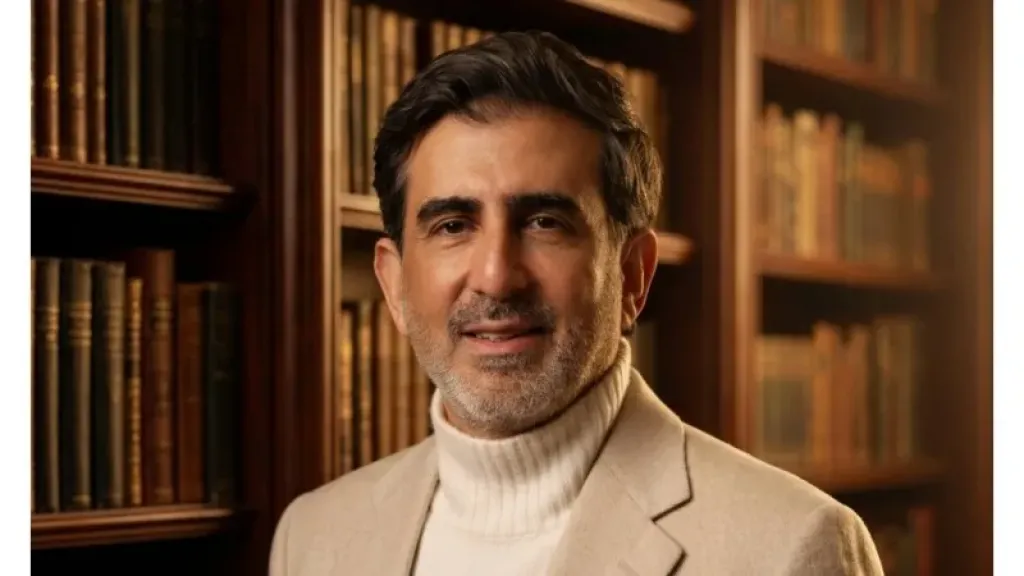
Entrepreneur Samer Choucair said Saudi Arabia’s real gross domestic product contracted by 4.8% year on year during the second quarter of 2026, reflecting the direct impact of weaker oil activity.
However, he emphasized that this does not alter the Saudi economy’s strategic direction toward diversification and the expansion of non-oil sectors as the Kingdom continues implementing the objectives of Vision 2030.
Choucair explained that data from the General Authority for Statistics showed oil activities declining by 24.7% during the same period, while non-oil activities grew by 0.6% and government activities increased by 0.9%.
He said these figures demonstrate that non-oil sectors continue to support the economy despite regional challenges and volatility in global energy markets.
Samer Choucair noted that the decline in GDP resulted from lower oil-production volumes, while public finances benefited from elevated oil prices, helping reduce the effect of lower output on government revenue.
He emphasized that institutional investors distinguish between a decline in production volumes and an economy’s ability to maintain strong fiscal conditions.
Choucair added that continued growth in non-oil activities, even at a slower pace, reflects the progress of economic-diversification programmes, particularly in industry, logistics, tourism, technology, and healthcare.
These sectors are well positioned to benefit from continued government investment expenditure and projects led by the Public Investment Fund.
Samer Choucair emphasized that the current phase requires capital to be reallocated toward assets offering stable cash flows and long-term growth prospects.
He noted that sectors connected to Saudi Vision 2030 will remain the most capable of attracting institutional capital because their growth is supported by domestic demand and continuing economic reforms rather than solely by the oil cycle.
Choucair explained that the Saudi economy possesses strong foundations for overcoming the current phase, including low levels of public debt, substantial financial reserves, and continued investment in infrastructure and strategic projects.
These advantages strengthen confidence among domestic and international investors in the Kingdom’s ability to achieve sustainable growth in the coming years.
Concluding his remarks, Samer Choucair emphasized that the contraction recorded during the second quarter represents a temporary challenge rather than a structural shift.
He said Saudi Arabia’s continued implementation of economic reforms and development of non-oil sectors will strengthen the market’s appeal to investors and support a stronger return to growth as global energy and trade conditions stabilize.