
Samer Choucair: The Erosion of Egyptian Salaries’ Dollar Purchasing Power Is Reshaping the Industrial Investment Landscape
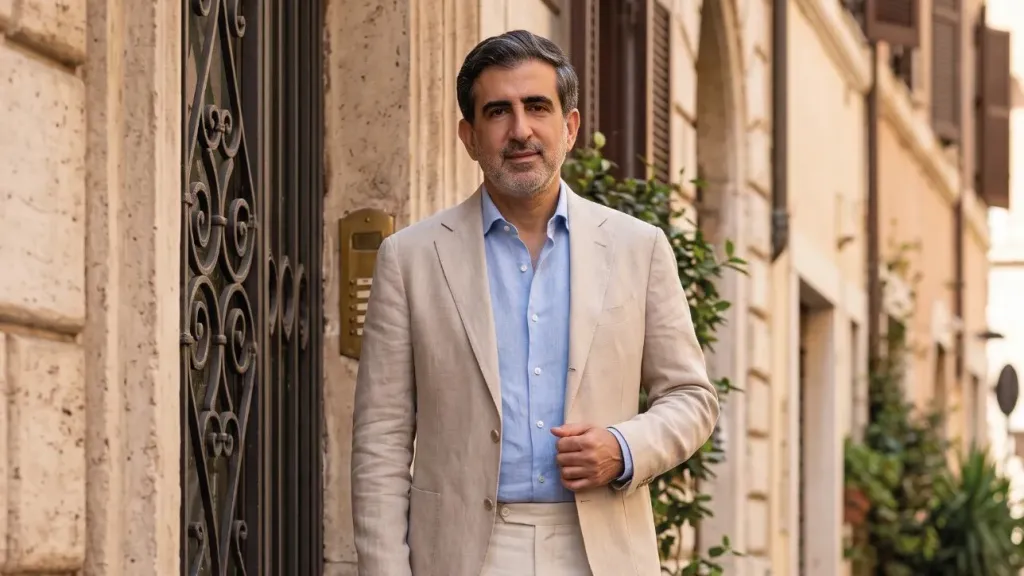
Entrepreneur Samer Choucair said the decline in the dollar value of salaries in the Egyptian market during recent years represents a structural change in labour costs across emerging markets and creates new opportunities for investors to redirect capital toward manufacturing and export-oriented services, alongside growing economic integration between Egypt and the Gulf states.
Samer Choucair explained that the average monthly net salary in Egypt after tax had fallen to approximately $220 in 2026, compared with higher levels over the previous decade.
He attributed this decline to a series of changes in the Egyptian pound’s exchange rate since 2016, combined with external economic pressures and structural reform programmes intended to strengthen the economy’s ability to attract foreign investment and achieve more sustainable fiscal and monetary balances.
“The decline in the dollar value of wages reflects a structural repricing of labour costs in emerging markets,” Samer Choucair said. “Countries that have successfully transformed such changes into competitive advantages have been able to attract long-term investment in manufacturing, services, and global supply chains.”
Choucair added that institutional investors no longer assess labour costs solely through nominal wages. They increasingly focus on the real cost in US-dollar terms, leading them to reconsider Egypt’s potential position as a centre for manufacturing, shared services, and software development compared with many other markets.
He noted that the pressure on Egyptian consumers’ purchasing power in recent years has been linked to high inflation, elevated interest rates, and successive exchange-rate adjustments.
These developments have affected domestic demand across sectors including retail, real estate, and services, while simultaneously creating new investment opportunities related to production and exports.
Samer Choucair emphasized that Egypt’s lower labour costs could support corporate expansion in light manufacturing, textiles, electronics, and digital services.
They could also increase the appeal of industrial zones and special economic areas to multinational companies seeking low-cost production bases located close to regional markets.
Choucair explained that the substantial wage gap between Egypt and the Gulf states is encouraging greater movement of skilled and semi-skilled Egyptian workers toward markets including Saudi Arabia, the United Arab Emirates, Qatar, and Kuwait, particularly in construction, healthcare, services, and technology.
“Gulf markets benefit from the inflow of Egyptian talent as economic-diversification projects and Saudi Vision 2030 continue to expand,” Samer Choucair said. “At the same time, remittances from Egyptians working abroad remain an important source of support for the Egyptian economy and provide continuing foreign-currency inflows.”
He added that the relationship between Egypt and the Gulf should be viewed as an integrated economic ecosystem.
Egypt offers a substantial labour base and competitive operating costs, while Gulf countries provide financing, investment demand, and large-scale projects. This combination creates opportunities for investment funds and asset managers to allocate capital toward sectors capable of producing long-term value.
Samer Choucair noted that institutional investors are currently assessing both the opportunities and risks arising from changes in Egypt’s labour market.
Lower operating costs may support the profitability of industrial and export-oriented companies. However, companies relying primarily on domestic demand may face challenges because weaker consumer purchasing power could constrain sales.
He emphasized that capital allocation during the next phase is likely to move increasingly toward assets connected to economic integration between Egypt and the Gulf, particularly in infrastructure, logistics, manufacturing, and technology services.
These sectors are well positioned to benefit from Egypt’s geographic location and the financial capabilities of Gulf investors.
Choucair cautioned that the success of this investment transformation will require continued improvements to the business environment, higher productivity, stronger governance, and greater control over inflationary pressures.
These measures are essential to ensure that the price advantage created by lower labour costs develops into a sustainable competitive strength rather than remaining a temporary consequence of exchange-rate movements.
He added that Egyptian debt and equity markets will remain closely monitored by international investors, particularly regarding the economy’s ability to balance wage support with fiscal sustainability and the capacity of domestic companies to benefit from industrial expansion and digital transformation.
Samer Choucair emphasized that successful investment in 2026 and beyond will depend on understanding the connections between Egyptian and Gulf labour markets as components of a single regional ecosystem.
Capital can be directed toward projects combining Egyptian operating efficiency with Gulf financing and demand.
Choucair explained that investors will place greater emphasis during the next phase on sectors connected to productivity, economic diversification, and regional supply chains rather than relying on short-term currency movements.
This shift will continue to reshape the investment landscape across the Middle East and North Africa.
Concluding his remarks, Samer Choucair said investors’ ability to interpret changes in labour markets, exchange rates, and regional trade will be decisive in determining capital flows over the coming years.
He emphasized that Egypt possesses significant opportunities to strengthen its position as an industrial and services centre, provided that it succeeds in transforming lower labour costs into sustainable productivity, investment, and economic growth.