
Samer Choucair: Extreme Climate Risks Are Reshaping the Global Investment Landscape
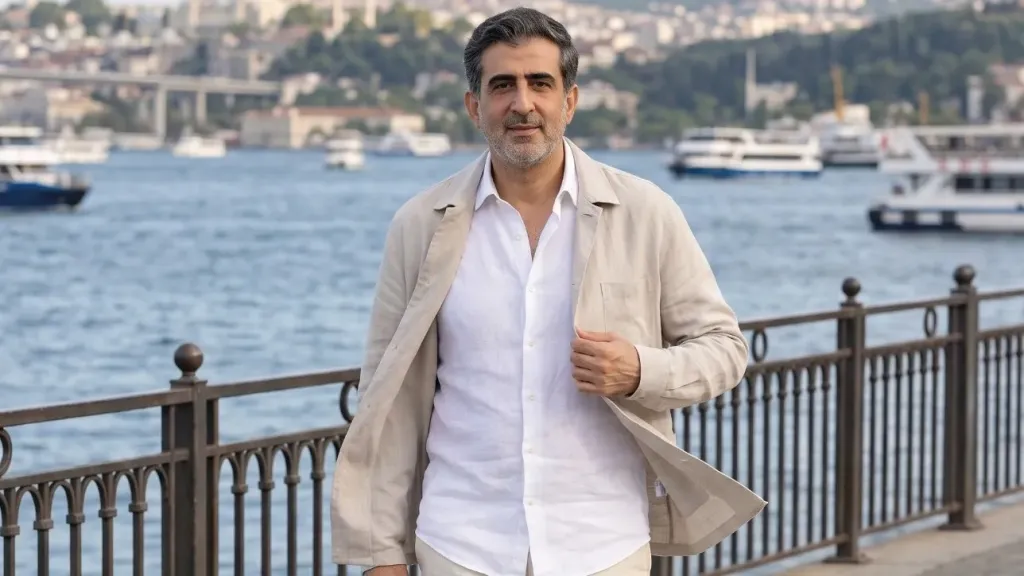
Entrepreneur Samer Choucair said the growing frequency of extreme climate events, led by the wildfires affecting large areas of Europe, has become a major factor in the reassessment of capital-allocation decisions by institutional investors.
He noted that climate change is no longer merely an environmental challenge, but an economic variable influencing asset values, supply chains, and a wide range of investment sectors.
Samer Choucair explained that the extensive wildfires affecting parts of southwestern France and central Spain in July 2026, together with large-scale evacuations and disruption to tourism activity, demonstrate the nature of the new risks confronting advanced economies.
Climate-related shocks are now capable of directly affecting vital sectors including tourism, real estate, insurance, energy, and agriculture.
“Institutional capital no longer treats climate risk as a secondary consideration,” Samer Choucair said. “It has become a fundamental component in the pricing of long-term assets. Assets with stronger adaptability and operational and geographic resilience are becoming more attractive in an economic environment increasingly exposed to external shocks.”
Choucair noted that investors and asset managers are reassessing their portfolio exposure to regions most vulnerable to climate change, particularly areas that depend heavily on seasonal tourism or industries linked to natural resources.
He explained that the repeated occurrence of such events could lead to the repricing of certain tourism and real estate assets across Europe.
Samer Choucair added that the impact of climate risk extends beyond direct losses.
It also includes higher insurance costs, greater expenditure on protection and infrastructure, and a shift in investor preferences toward assets better equipped to withstand unexpected conditions.
He emphasized that the next phase will bring greater investment in climate-adaptation solutions, including artificial intelligence technologies used for disaster forecasting, advanced monitoring systems, water and forest management, and intelligent infrastructure capable of reducing the effects of natural hazards.
“Climate crises are accelerating the movement of capital toward sectors offering practical solutions to future challenges,” Choucair said. “Climate technology will therefore become a central component of institutional investment strategies in the years ahead.”
He explained that insurance will be among the sectors most affected by this transformation, as companies face rising claims resulting from natural disasters.
At the same time, new opportunities are emerging for businesses developing specialized insurance products designed to manage climate-related risks.
Choucair noted that energy, agriculture, tourism, and real estate will also undergo extensive reassessments of their risk models as investors search for assets that combine return potential with preparedness for accelerating climate change.
Samer Choucair said climate developments in Europe are simultaneously creating opportunities for other economies, particularly in the Gulf, where governments are expanding tourism, entertainment, and infrastructure under economic-diversification strategies.
“Investors looking toward 2030 and beyond recognize that geographic diversification within tourism and hospitality portfolios has become a strategic necessity,” he said. “Markets that invest early in resilient infrastructure and digital transformation will be better positioned to attract long-term capital.”
Choucair explained that Saudi Arabia and other Gulf countries have an opportunity to strengthen their position as global tourism and investment destinations by developing major hospitality, entertainment, and infrastructure projects focused on sustainability, innovation, and the ability to accommodate changing global demand.
He noted that sovereign wealth funds and institutional investors increasingly favour assets combining sustainable growth with effective risk management.
This makes clean energy, sustainable tourism, and climate technology among the sectors most likely to attract capital during the next phase.
Samer Choucair added that real estate in areas exposed to climate hazards could face downward repricing because of higher protection and insurance costs, while regions adopting more climate-resilient construction standards are likely to become increasingly attractive to investors.
He emphasized that the digital economy will be one of the principal beneficiaries of these changes, particularly as demand grows for big data and artificial intelligence systems capable of producing more accurate risk forecasts and supporting crisis management.
“Long-term investors are now seeking markets capable of transforming climate challenges into economic and industrial opportunities, whether through clean energy, sustainable tourism, or advanced technological solutions,” Choucair said.
Samer Choucair noted that future capital management will depend increasingly on institutions’ ability to integrate climate scenarios into their decision-making processes.
Investment governance will become a decisive factor in determining whether assets can preserve their value in a more volatile global environment.
Concluding his remarks, Choucair said climate change has become one of the principal forces redistributing capital worldwide.
Investors capable of understanding the relationship between climate risk and investment opportunity will be best positioned to build resilient portfolios and generate sustainable value during the next economic cycle.